THE ADVENTURE COLLECTIVE® · Independent discovery and booking for outdoor travel

Learn breath-hold techniques and safety in a focused two-hour freediving course on Sal’s sunny southern shore. Small groups, provided gear, and calm reef conditions make Santa Maria ideal for your first apnea experience.
Learn breath-hold techniques and safety in a focused two-hour freediving course on Sal’s sunny southern shore. Small groups, provided gear, and calm reef conditions make Santa Maria ideal for your first apnea experience.
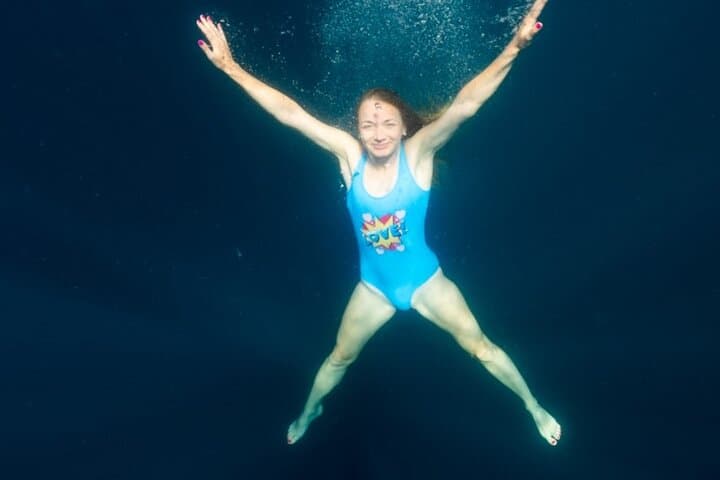
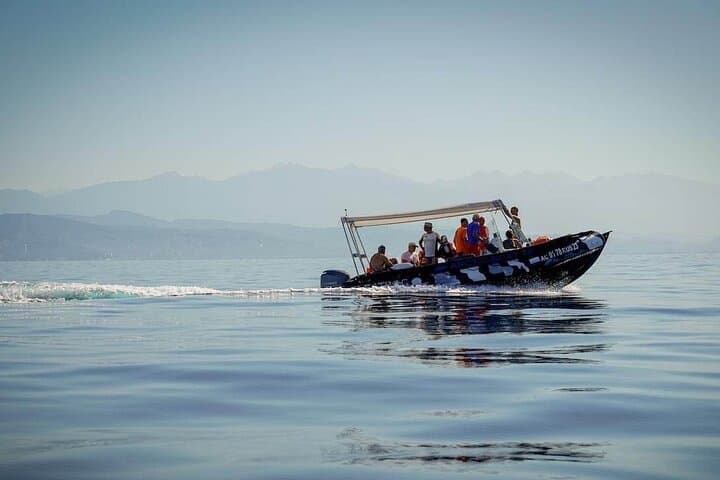
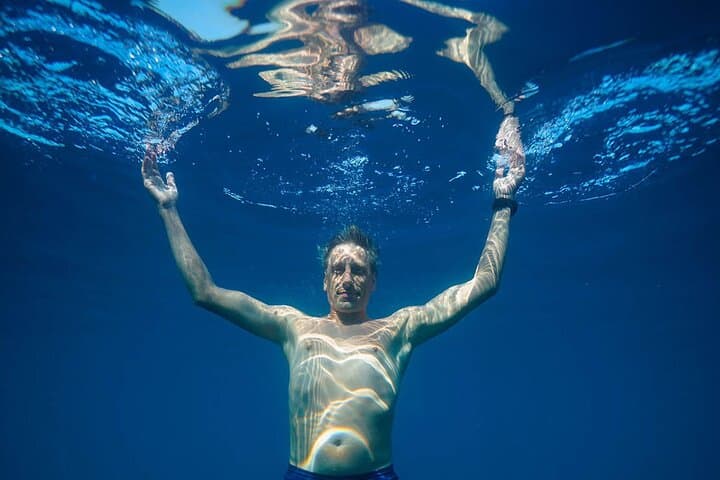
The sea off Santa Maria pushes and waits: clear turquoise that dares you to breathe slow and dive deep. A morning begins on a quiet stretch of sand, an instructor kneeling to lead three students through relaxed breathing and safety drills before they slip into water warmed by the tropical sun.
Verified experiences and guided adventures in the surrounding area.
Operated by Apnea Boom · Santa Maria, Sal
The sea off Santa Maria pushes and waits: clear turquoise that dares you to breathe slow and dive deep. A morning begins on a quiet stretch of sand, an instructor kneeling to lead three students through relaxed breathing and safety drills before they slip into water warmed by the tropical sun.
Sal’s geology is volcanic plateau and salt pans; Santa Maria grew as a fishing village on the island’s flat southern edge and today offers easy access to calm reef flats and shallow drop-offs ideal for first-time freedivers. Local culture is maritime and unhurried — fishermen still launch from the same beaches where students learn equalization and buddy protocol.
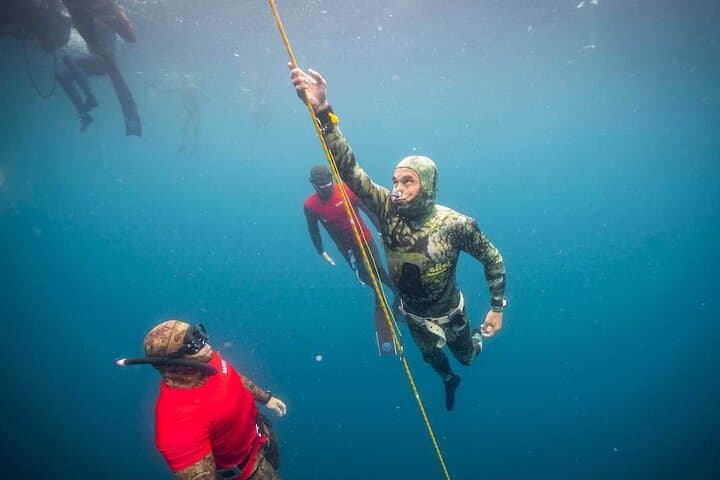
The course is a compact, practical introduction: two hours combining classroom discussion, breath-hold exercises, and guided in-water practice with a 1:3 instructor-to-student ratio. Equipment (wetsuit, fins, mask, snorkel) is provided, and instructors emphasize safety, relaxation, and efficient finning over depth. Expect clear visibility, frequent reef fish, and occasional sightings of dolphins or sea turtles.
Plan to arrive rested, hydrated, and with a light snack an hour before the session. Wear swimwear under your clothing, bring sun protection and a towel. If you have ear or sinus issues, disclose them in advance; the course is not recommended for pregnant travelers. The short format makes it accessible for most fit swimmers, but it moves quickly — be ready to learn hands-on skills and conservative safety habits that make freediving rewarding and sustainable.
moderate.
2 hours.
Should be comfortable swimming short distances and able to perform breath-control exercises; not strenuous cardio but requires basic water confidence.
Yes—you should be comfortable in open water and able to swim short distances; instructors will assess ability before in-water drills.
Yes—the course supplies wetsuit, fins, mask, and snorkel; bring your own swimsuit and towel.
Minors usually need guardian consent; the activity is not recommended for pregnant travelers or people with certain heart, lung, or ear conditions—disclose medical history when booking.
This is a fundamentals/introductory workshop focused on skills and safety, not a full certification; ask the operator about progression courses for formal apnea certification.
Santa Maria grew from a small fishing settlement on Sal’s flat volcanic plain; the island’s salt pans once drove much of its economy and shaped local maritime culture.
Respect reefs by not touching coral or chasing wildlife; operators encourage no-touch safety and brief surface rests to minimize disturbance.
Apnea Boom operates guided outdoor trips and adventures with an emphasis on safety, stewardship, and memorable experiences.
The sea off Santa Maria pushes and waits: clear turquoise that dares you to breathe slow and dive deep. A morning begins on a quiet stretch of sand, an instructor kneeling to lead three students through relaxed breathing and safety drills before they slip into water warmed by the tropical sun.
The sea off Santa Maria pushes and waits: clear turquoise that dares you to breathe slow and dive deep. A morning begins on a quiet stretch of sand, an instructor kneeling to lead three students through relaxed breathing and safety drills before they slip into water warmed by the tropical sun.
Sal’s geology is volcanic plateau and salt pans; Santa Maria grew as a fishing village on the island’s flat southern edge and today offers easy access to calm reef flats and shallow drop-offs ideal for first-time freedivers. Local culture is maritime and unhurried — fishermen still launch from the same beaches where students learn equalization and buddy protocol.
The course is a compact, practical introduction: two hours combining classroom discussion, breath-hold exercises, and guided in-water practice with a 1:3 instructor-to-student ratio. Equipment (wetsuit, fins, mask, snorkel) is provided, and instructors emphasize safety, relaxation, and efficient finning over depth. Expect clear visibility, frequent reef fish, and occasional sightings of dolphins or sea turtles.
Plan to arrive rested, hydrated, and with a light snack an hour before the session. Wear swimwear under your clothing, bring sun protection and a towel. If you have ear or sinus issues, disclose them in advance; the course is not recommended for pregnant travelers. The short format makes it accessible for most fit swimmers, but it moves quickly — be ready to learn hands-on skills and conservative safety habits that make freediving rewarding and sustainable.