THE ADVENTURE COLLECTIVE® · Independent discovery and booking for outdoor travel

Step onto packed snow beneath Bitterroot peaks: guided snowshoe tours from Fred Burr offer 2–6 hour options through quiet forest and reservoir overlooks. Ideal for beginners and intermediates, guides supply rental snowshoes, hot drinks, and winter-safety skills.
Step onto packed snow beneath Bitterroot peaks: guided snowshoe tours from Fred Burr offer 2–6 hour options through quiet forest and reservoir overlooks. Ideal for beginners and intermediates, guides supply rental snowshoes, hot drinks, and winter-safety skills.
The group steps out where Fred Burr Road gives up its last ruts and the forest closes in—cold air sharp against faces, snow compressing under new snowshoes, pines whispering above. Peaks of the Bitterroot press the horizon, their ridgelines hemming a wide valley that dares the wind to move faster.
Verified experiences and guided adventures in the surrounding area.
Operated by Bitterroot Backpacking · Hamilton, Montana
The group steps out where Fred Burr Road gives up its last ruts and the forest closes in—cold air sharp against faces, snow compressing under new snowshoes, pines whispering above. Peaks of the Bitterroot press the horizon, their ridgelines hemming a wide valley that dares the wind to move faster.
The Bitterroot Mountains are a northern- Rockies range sculpted by glaciers and granite intrusions; the Bitterroot Valley below carries the history of the Salish people and later homesteaders and miners who mapped the land by hand. Guides on the Fred Burr routes weave these threads—identifying hardy conifers, pointing out former avalanche paths, and naming the state flower that gave the range its name.
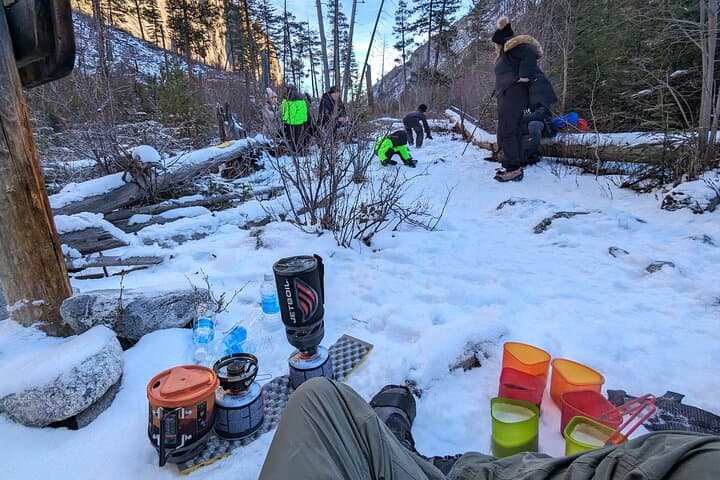
On a typical outing guests choose a 2–3 hour, ~4-mile loop or a 4–6 hour push up to 9 miles. Trails are largely even but can range from packed boot-trail to deep powder; the guides supply snowshoes, poles, and safety gear, and make tea or cocoa at a scenic turnaround. Expect animal tracks—snowshoe hares and mule deer—and quiet sections where the wind plays through the trees like a cautious companion.
Practicalities: plan for cold, reflective light (bring eye protection and sunscreen), layer for activity, and allow extra time for the last 2 miles of slow, often snowy road to the trailhead. Guides are Wilderness First Responder and Leave No Trace certified, and they’ll coach navigation basics and winter safety. For anyone wanting a calm introduction to backcountry winter travel, these guided tours deliver wilderness access with practical support.
moderate.
2–6 hours.
Suitable for beginners with basic fitness on shorter tours; longer options require steady cardiovascular conditioning and endurance for up to 9 miles.
Yes—snowshoe rentals, trekking poles, and bear spray are provided for each person as part of the tour.
Yes—the 2–3 hour, ~4-mile option is tailored to beginners, with guides teaching basic technique and pacing.
Tours are private per booking; guides carry GPS communicators, a first aid kit, and are Wilderness First Responder and Leave No Trace certified.
The operator cancels for unsafe weather or low numbers—cancel at least 24 hours for a full refund; rescheduling may be possible depending on conditions.
The Bitterroot Valley is traditional territory of the Salish people; later eras of mining and homesteading left faint traces on the landscape and local place names.
Tours follow Leave No Trace principles; stick to packed trails to reduce winter vegetation impact and avoid disturbing wildlife during scarce winter months.
Bitterroot Backpacking operates guided outdoor trips and adventures with an emphasis on safety, stewardship, and memorable experiences.
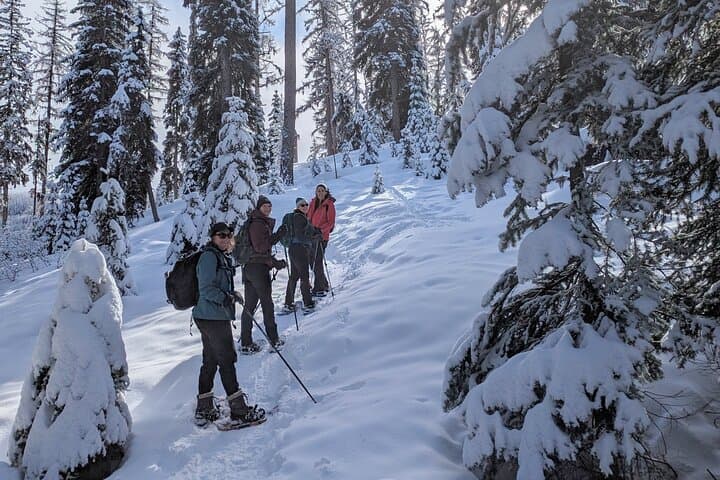
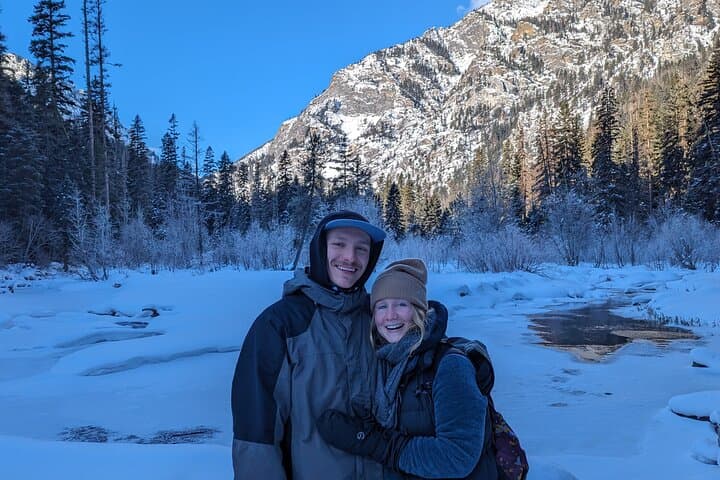
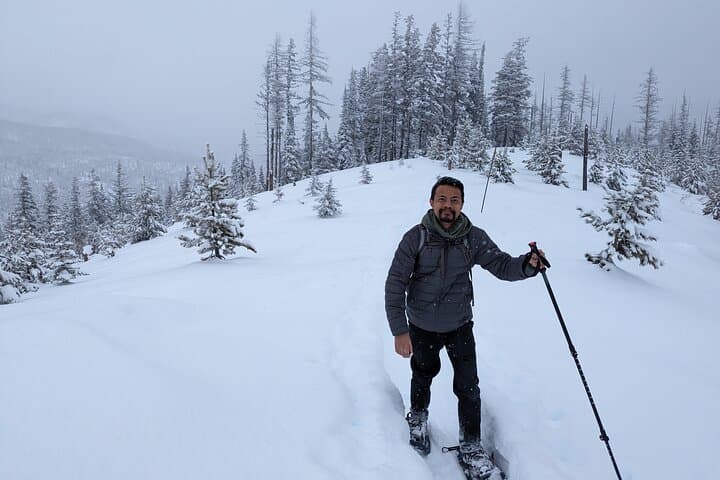
The group steps out where Fred Burr Road gives up its last ruts and the forest closes in—cold air sharp against faces, snow compressing under new snowshoes, pines whispering above. Peaks of the Bitterroot press the horizon, their ridgelines hemming a wide valley that dares the wind to move faster.
The group steps out where Fred Burr Road gives up its last ruts and the forest closes in—cold air sharp against faces, snow compressing under new snowshoes, pines whispering above. Peaks of the Bitterroot press the horizon, their ridgelines hemming a wide valley that dares the wind to move faster.
The Bitterroot Mountains are a northern- Rockies range sculpted by glaciers and granite intrusions; the Bitterroot Valley below carries the history of the Salish people and later homesteaders and miners who mapped the land by hand. Guides on the Fred Burr routes weave these threads—identifying hardy conifers, pointing out former avalanche paths, and naming the state flower that gave the range its name.
On a typical outing guests choose a 2–3 hour, ~4-mile loop or a 4–6 hour push up to 9 miles. Trails are largely even but can range from packed boot-trail to deep powder; the guides supply snowshoes, poles, and safety gear, and make tea or cocoa at a scenic turnaround. Expect animal tracks—snowshoe hares and mule deer—and quiet sections where the wind plays through the trees like a cautious companion.
Practicalities: plan for cold, reflective light (bring eye protection and sunscreen), layer for activity, and allow extra time for the last 2 miles of slow, often snowy road to the trailhead. Guides are Wilderness First Responder and Leave No Trace certified, and they’ll coach navigation basics and winter safety. For anyone wanting a calm introduction to backcountry winter travel, these guided tours deliver wilderness access with practical support.