THE ADVENTURE COLLECTIVE® · Independent discovery and booking for outdoor travel

Two days of shifting landscapes — from Fraser Canyon’s gold rush scars to glacier-fed turquoise lakes near Whistler. This private, guided route mixes short hikes, historic rail grades and optional river thrill-seeking with overnight time in Lillooet.
Two days of shifting landscapes — from Fraser Canyon’s gold rush scars to glacier-fed turquoise lakes near Whistler. This private, guided route mixes short hikes, historic rail grades and optional river thrill-seeking with overnight time in Lillooet.
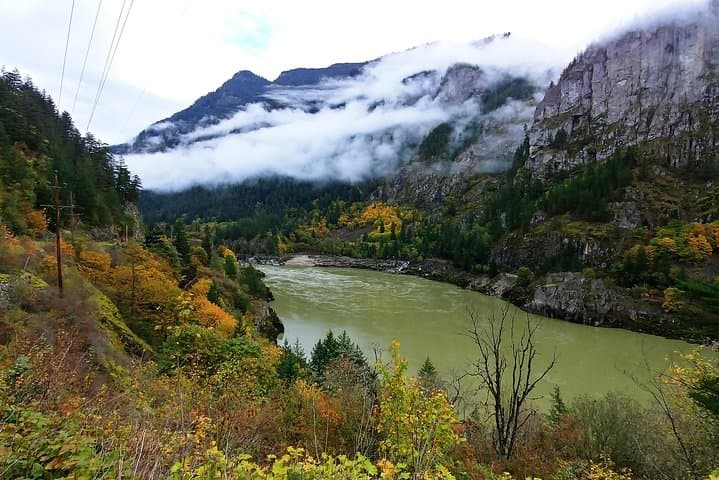
The van peels away from downtown Vancouver and the city dissolve into a ribbon of highway that follows the Fraser River — a waterway that has shaped British Columbia's edges and the fortunes of those who chased them. On this two-day private route, the landscape keeps changing as if someone is flipping through geological chapters: jagged Coast Mountains, the arid benches around Lillooet, deep river-cut canyons and, finally, the fiord-sculpted coastline around Howe Sound.
Verified experiences and guided adventures in the surrounding area.
Operated by Beautiful Vancouver Explorer Tour And Shuttle · Lillooet, British Columbia
The van peels away from downtown Vancouver and the city dissolve into a ribbon of highway that follows the Fraser River — a waterway that has shaped British Columbia's edges and the fortunes of those who chased them. On this two-day private route, the landscape keeps changing as if someone is flipping through geological chapters: jagged Coast Mountains, the arid benches around Lillooet, deep river-cut canyons and, finally, the fiord-sculpted coastline around Howe Sound.
History arrives with the terrain. The Fraser Canyon Gold Rush of 1858 still leaves fingerprints in place names and the crumbling remains of wagon roads and rail grades. Guides speak of prospectors, the creak of packhorses and the later iron ribbon of the Kettle Valley Railway, whose 1914–1916 tunnels and bridges stitched isolated communities together. Lillooet — primarily a St'at'imc Nation territory — serves as the cultural heart of the trip: expect local stories about land, seasonal salmon runs and the wartime importance of the rail lines.
Geology explains the drama: glaciers carved hanging valleys, leaving turquoise lakes and serrated peaks. Rivers dare you across swinging bridges; the Fraser’s current still seems intent on reshaping the canyon walls. Up high near Whistler you move from semi-desert scrub to glacier-fed lakes and alpine meadows in less than a day.
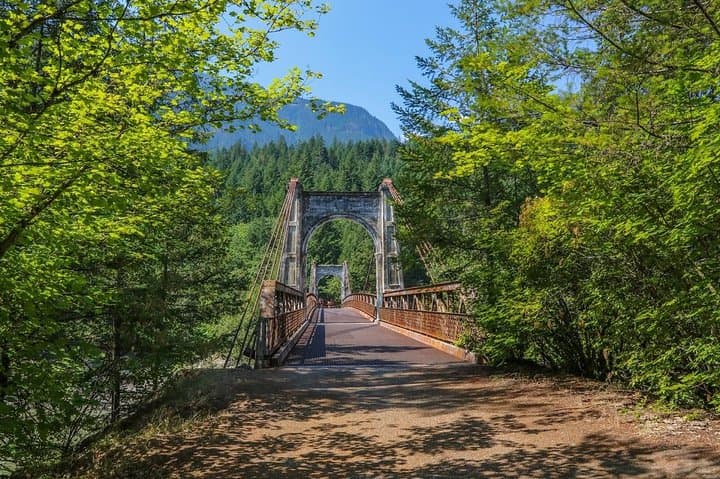
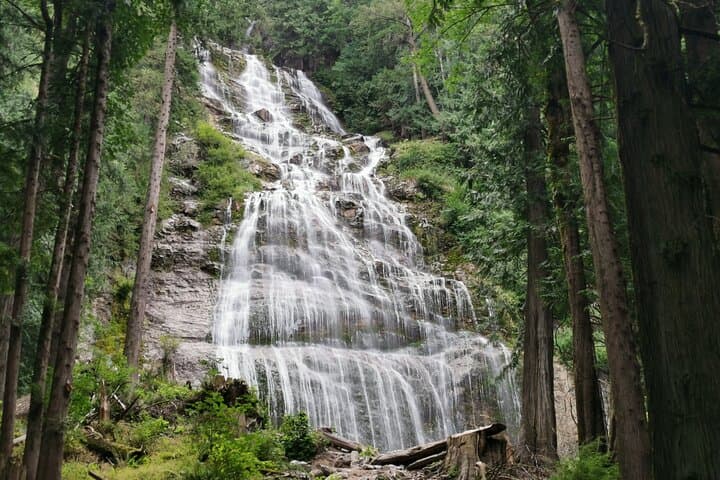
The itinerary is practical and active. Day one threads the historic Gold Rush Trail and Cariboo Wagon Trail with stops to hike to waterfalls (short 30–60 minute walks) and cross the Old Alexandra Bridge. There’s an optional whitewater rafting run on the Thomson River for those who want more adrenaline. Overnight is in Lillooet; the town doubles as a launch point for local wine tasting and First Nation cultural orientation. Day two climbs to Whistler’s high country: a Peak2Peak gondola ride (1.8 miles across, roughly 1,500 ft above Fitzsimmons Creek) and short hikes to turquoise alpine lakes and multiple waterfalls.
Practicalities: this is a private tour with air-conditioned Mercedes Sprinter transport and an experienced guide. Expect long driving stretches — roughly 4–6 hours total driving across both days depending on stops. Trails are mostly moderate: packed rail grades, short rocky approaches and some exposed viewpoints; hikers should be steady on uneven footing. Summer offers the most stable trails; spring and fall bring variable weather and muddy sections. Winter travel may require chains and experience in snowy mountain roads, and some attractions will be seasonal.
Plan layers, solid hiking boots, sun protection and a refillable water bottle — the guide supplies bottled water, but on trail you’ll want room for extra. Book Lillooet lodging in advance: the town is small and fills, especially summer weekends. For photographers and history buffs alike, this two-day corridor is a compact crash course in BC’s wild contrasts: glaciers above, desert-like benches below and the river that still writes the canyon’s story.
challenging.
2 days.
Participants should be in good physical condition: able to handle multiple short hikes (30–480 minutes total walking across sites), some uneven and exposed terrain, and optional rafting or zipline activities.
Yes — the tour requires you to book overnight lodging in Lillooet; the operator can recommend hotels but does not include accommodations.
Yes — activities such as whitewater rafting, Peak2Peak gondola tickets and ziplines are optional and not included in the base price.
Expect several hours of driving across the two days (roughly 4–6 hours total) with frequent stops for hikes and viewpoints.
The tour accommodates families, but it’s physically demanding; not recommended for those with serious mobility or cardiovascular issues.
Keep an eye out for black bears, mule deer and birds of prey; sightings depend on season and time of day.
Cancel at least 24 hours before departure for a full refund; cancellations within 24 hours are non-refundable per the supplier policy.
The Fraser Canyon Gold Rush of 1858 sparked rapid influxes of prospectors and led to early road and rail efforts that shaped modern BC transport corridors.
This corridor crosses sensitive riparian and alpine habitats; stick to trails, pack out litter and respect First Nation cultural sites to reduce impact.
Beautiful Vancouver Explorer Tour And Shuttle operates guided outdoor trips and adventures with an emphasis on safety, stewardship, and memorable experiences.
The van peels away from downtown Vancouver and the city dissolve into a ribbon of highway that follows the Fraser River — a waterway that has shaped British Columbia's edges and the fortunes of those who chased them. On this two-day private route, the landscape keeps changing as if someone is flipping through geological chapters: jagged Coast Mountains, the arid benches around Lillooet, deep river-cut canyons and, finally, the fiord-sculpted coastline around Howe Sound.
The van peels away from downtown Vancouver and the city dissolve into a ribbon of highway that follows the Fraser River — a waterway that has shaped British Columbia's edges and the fortunes of those who chased them. On this two-day private route, the landscape keeps changing as if someone is flipping through geological chapters: jagged Coast Mountains, the arid benches around Lillooet, deep river-cut canyons and, finally, the fiord-sculpted coastline around Howe Sound.
History arrives with the terrain. The Fraser Canyon Gold Rush of 1858 still leaves fingerprints in place names and the crumbling remains of wagon roads and rail grades. Guides speak of prospectors, the creak of packhorses and the later iron ribbon of the Kettle Valley Railway, whose 1914–1916 tunnels and bridges stitched isolated communities together. Lillooet — primarily a St'at'imc Nation territory — serves as the cultural heart of the trip: expect local stories about land, seasonal salmon runs and the wartime importance of the rail lines.
Geology explains the drama: glaciers carved hanging valleys, leaving turquoise lakes and serrated peaks. Rivers dare you across swinging bridges; the Fraser’s current still seems intent on reshaping the canyon walls. Up high near Whistler you move from semi-desert scrub to glacier-fed lakes and alpine meadows in less than a day.
The itinerary is practical and active. Day one threads the historic Gold Rush Trail and Cariboo Wagon Trail with stops to hike to waterfalls (short 30–60 minute walks) and cross the Old Alexandra Bridge. There’s an optional whitewater rafting run on the Thomson River for those who want more adrenaline. Overnight is in Lillooet; the town doubles as a launch point for local wine tasting and First Nation cultural orientation. Day two climbs to Whistler’s high country: a Peak2Peak gondola ride (1.8 miles across, roughly 1,500 ft above Fitzsimmons Creek) and short hikes to turquoise alpine lakes and multiple waterfalls.
Practicalities: this is a private tour with air-conditioned Mercedes Sprinter transport and an experienced guide. Expect long driving stretches — roughly 4–6 hours total driving across both days depending on stops. Trails are mostly moderate: packed rail grades, short rocky approaches and some exposed viewpoints; hikers should be steady on uneven footing. Summer offers the most stable trails; spring and fall bring variable weather and muddy sections. Winter travel may require chains and experience in snowy mountain roads, and some attractions will be seasonal.
Plan layers, solid hiking boots, sun protection and a refillable water bottle — the guide supplies bottled water, but on trail you’ll want room for extra. Book Lillooet lodging in advance: the town is small and fills, especially summer weekends. For photographers and history buffs alike, this two-day corridor is a compact crash course in BC’s wild contrasts: glaciers above, desert-like benches below and the river that still writes the canyon’s story.