THE ADVENTURE COLLECTIVE® · Independent discovery and booking for outdoor travel

Ride the Franschhoek wine tram through rolling vine country and five distinct estates in a single day. This full-day tour blends easy walking, guided tastings, and scenic mountain views—ideal for travellers who want a curated taste of the Cape Winelands.
Ride the Franschhoek wine tram through rolling vine country and five distinct estates in a single day. This full-day tour blends easy walking, guided tastings, and scenic mountain views—ideal for travellers who want a curated taste of the Cape Winelands.
The tram rolls out of the Franschhoek terminal as morning light slices between vine rows and the jagged silhouette of the Franschhoek Mountains looms close. Glass in hand, travelers settle on upper decks for views over hedgerows and centuries-old farms as the guide outlines the day: five estates, short guided tastings, and a slow, deliberate pace that favors lingering over marts and mountain vistas.
Verified experiences and guided adventures in the surrounding area.
Operated by Safari Private Tours. · Franschhoek, Western Cape
The tram rolls out of the Franschhoek terminal as morning light slices between vine rows and the jagged silhouette of the Franschhoek Mountains looms close. Glass in hand, travelers settle on upper decks for views over hedgerows and centuries-old farms as the guide outlines the day: five estates, short guided tastings, and a slow, deliberate pace that favors lingering over marts and mountain vistas.
Franschhoek’s valley is steeped in Huguenot history—French settlers arrived in the late 1600s and planted the vineyards that define the region. Geologically, the valley sits in folded Cape supergroup rock; soils shift from decomposed granite to clay where different varietals thrive, which you’ll notice in flavor contrasts between estates like Grand Provance, Rickety Bridge and Mont Rochelle.
Culturally the valley balances high-end tasting rooms and working farms: expect architect-designed cellars, casual verandas and at least one estate with visible farm animals and gallery spaces. Local guides often pair tasting notes with brief cellar stories and sustainable practices employed on-site.
Practicalities: the full-day experience runs about eight hours with multiple 45–60 minute stops—most walking is flat and short but bring layers for wind on exposed decks. Tastings can include food pairings so plan light meals if you want to maximize sampling. Book cellar tours in advance if you want behind-the-scenes access. Hydrate between tastings and use the tram schedule to set a relaxed pace; the route is designed for comfort rather than speed, making it ideal for anyone who wants to savor the Winelands without intense hiking or cycling.
easy.
8 hours.
Minimal fitness required—mostly seated on the tram with short, gentle walks at each estate.
Yes—there are kid-friendly stops and grape-juice options at some estates; infants in strollers are accommodated but check family-specific offerings at each winery.
Yes—most estates sell wine on-site and will ship internationally in many cases; bring a credit card and check shipping policies beforehand.
Tastings are included at each stop and typically last 45–60 minutes; the exact number and pour sizes vary by estate.
Yes—the tram connects estates and the tour includes tram tickets plus minibus transfers where required for short link segments.
Franschhoek was settled by Huguenot families in the late 17th century; their influence still appears in estate names, architecture and winemaking traditions.
Many estates in the valley practice sustainable farming and water-wise viticulture; visitors can support conservation by using provided recycling and respecting farm rules.
Safari Private Tours. operates guided outdoor trips and adventures with an emphasis on safety, stewardship, and memorable experiences.
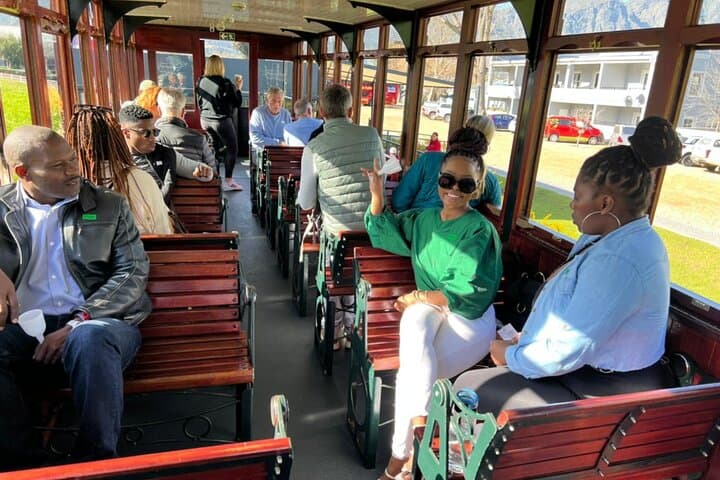
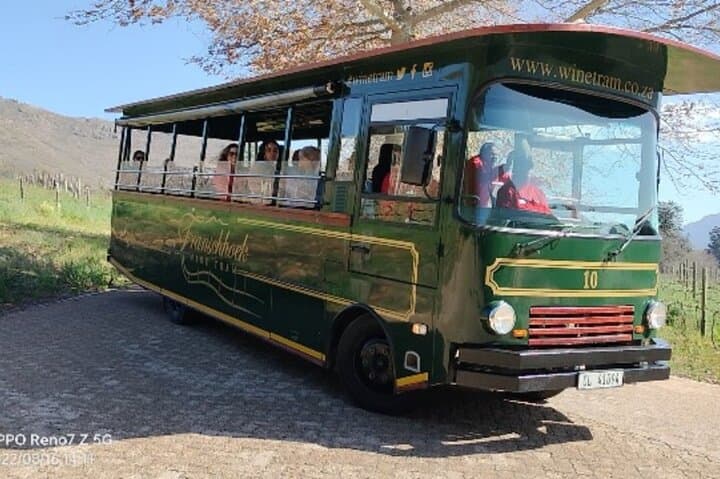
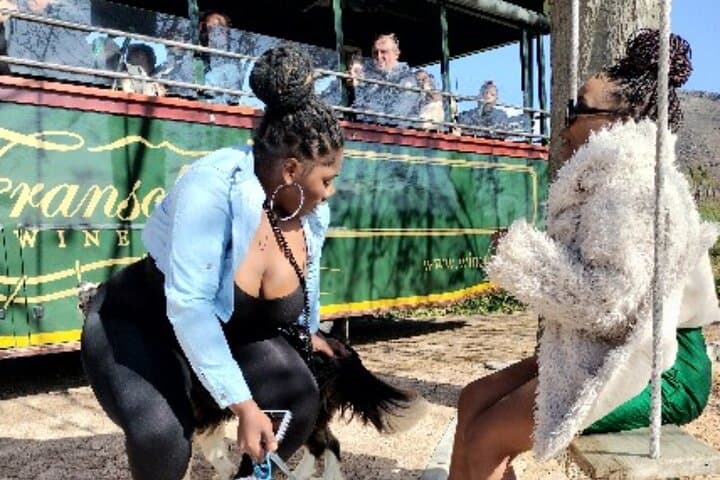
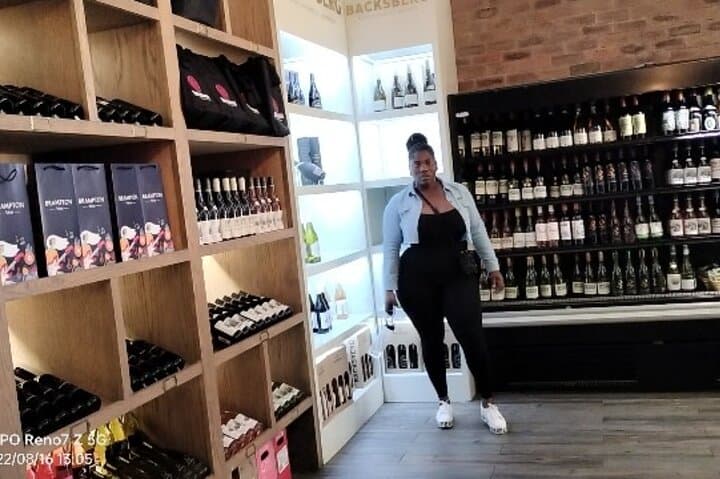
The tram rolls out of the Franschhoek terminal as morning light slices between vine rows and the jagged silhouette of the Franschhoek Mountains looms close. Glass in hand, travelers settle on upper decks for views over hedgerows and centuries-old farms as the guide outlines the day: five estates, short guided tastings, and a slow, deliberate pace that favors lingering over marts and mountain vistas.
The tram rolls out of the Franschhoek terminal as morning light slices between vine rows and the jagged silhouette of the Franschhoek Mountains looms close. Glass in hand, travelers settle on upper decks for views over hedgerows and centuries-old farms as the guide outlines the day: five estates, short guided tastings, and a slow, deliberate pace that favors lingering over marts and mountain vistas.
Franschhoek’s valley is steeped in Huguenot history—French settlers arrived in the late 1600s and planted the vineyards that define the region. Geologically, the valley sits in folded Cape supergroup rock; soils shift from decomposed granite to clay where different varietals thrive, which you’ll notice in flavor contrasts between estates like Grand Provance, Rickety Bridge and Mont Rochelle.
Culturally the valley balances high-end tasting rooms and working farms: expect architect-designed cellars, casual verandas and at least one estate with visible farm animals and gallery spaces. Local guides often pair tasting notes with brief cellar stories and sustainable practices employed on-site.
Practicalities: the full-day experience runs about eight hours with multiple 45–60 minute stops—most walking is flat and short but bring layers for wind on exposed decks. Tastings can include food pairings so plan light meals if you want to maximize sampling. Book cellar tours in advance if you want behind-the-scenes access. Hydrate between tastings and use the tram schedule to set a relaxed pace; the route is designed for comfort rather than speed, making it ideal for anyone who wants to savor the Winelands without intense hiking or cycling.