THE ADVENTURE COLLECTIVE® · Independent discovery and booking for outdoor travel

Step onto the vintage tram for an eight-hour loop through Franschhoek’s vineyards, historic sites, and tasting rooms. This guided day trip blends Huguenot history, cellar tours, and relaxed hop-on/hop-off stops across the valley.
Step onto the vintage tram for an eight-hour loop through Franschhoek’s vineyards, historic sites, and tasting rooms. This guided day trip blends Huguenot history, cellar tours, and relaxed hop-on/hop-off stops across the valley.
A crisp morning light peels back the mountains as the vintage-style tram eases out of Groot Drakenstein terminal and the Franschhoek Valley opens like a living map. Vine rows march up gentle slopes, early grape leaves trembling in a cool breeze that dares you to slow down. Onboard, glasses clink in chorus with the tram's soft wheels; every stop unfolds a new view and a new conversation with the land.
Verified experiences and guided adventures in the surrounding area.
Operated by Giraffe Horizons · Franschhoek, Western Cape
A crisp morning light peels back the mountains as the vintage-style tram eases out of Groot Drakenstein terminal and the Franschhoek Valley opens like a living map. Vine rows march up gentle slopes, early grape leaves trembling in a cool breeze that dares you to slow down. Onboard, glasses clink in chorus with the tram's soft wheels; every stop unfolds a new view and a new conversation with the land.
Franschhoek’s story starts with Huguenot settlers in the 17th century: stone cottages, French surnames, and an agricultural know-how that shaped the valley’s vineyards. Geologically, the valley sits in a rain-shadow of the surrounding mountains, producing mineral-rich soils and distinct terroirs that winemakers exploit in small, distinct plots. The town’s culinary rise is recent—chefs, cellars, and artisans converting rural roots into international acclaim.
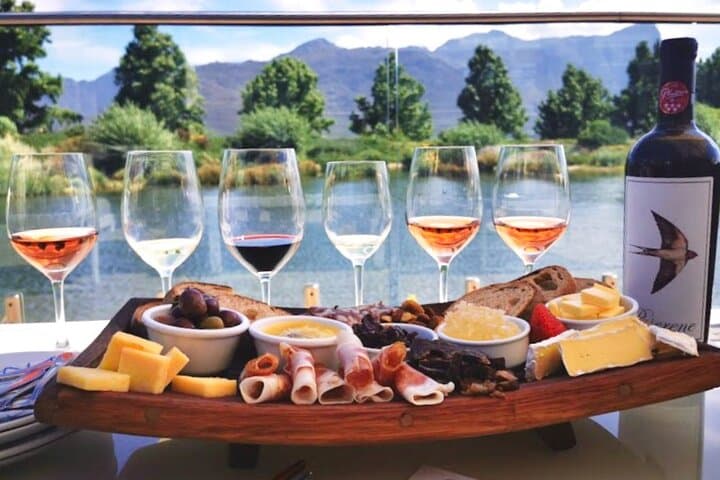
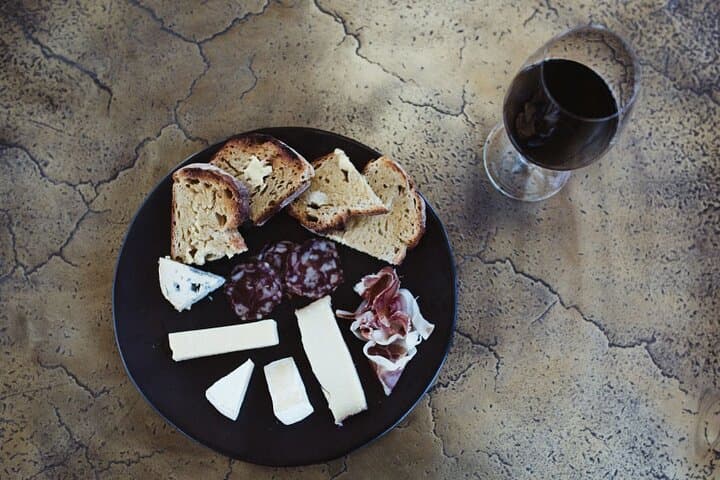
Practical details sit alongside the romance: daily departures from Cape Town with morning pick-up, roughly 8–8.5 hours round trip, and wheelchair-accessible vehicles and tram cars. Expect multiple vineyard stops—interactive cellar tours, a guided tasting with sommeliers, and a relaxed pace that lets you hop off, explore farm stores, or linger over a plate paired to the wine. Cashless payments are common; bring your passport if traveling internationally and wear sturdy shoes for gravel yards and cellar steps.
Timing matters—midweek rides are quieter, harvest season brings energy, and late afternoon light is prime for photos. Hydrate between tastings and plan a sober ride back to Cape Town. The tram is less a rush and more a slow-minded conversation with Franschhoek’s hills, wines, and history.
easy.
8–8.5 hours.
Suitable for travelers in average health; involves short walks, standing during tastings, and boarding the tram.
Yes — the tour includes pick-up from Cape Town hotels between approximately 07:30 and 08:00 and return drop-off at the end of the day.
The itinerary includes wine-tasting opportunities and a sample ‘taste a local wine’ on the tram; additional tastings or cellar experiences may incur extra fees at some estates.
Yes — the tram and vehicles are wheelchair accessible and the tour notes accessibility for most surfaces and transfer points.
The tour operates as a hop-on, hop-off route with designated stops; guides will brief passengers on pickup and drop-off locations and timing at each stop.
Franschhoek was settled by Huguenot refugees in the late 17th century; their agricultural practices and vine varieties laid the groundwork for the region’s wine culture.
Many estates practice sustainable viticulture and water-wise farming due to Western Cape water scarcity; visitors are encouraged to use refillable bottles and follow estate guidelines to minimize impact.
Giraffe Horizons operates guided outdoor trips and adventures with an emphasis on safety, stewardship, and memorable experiences.
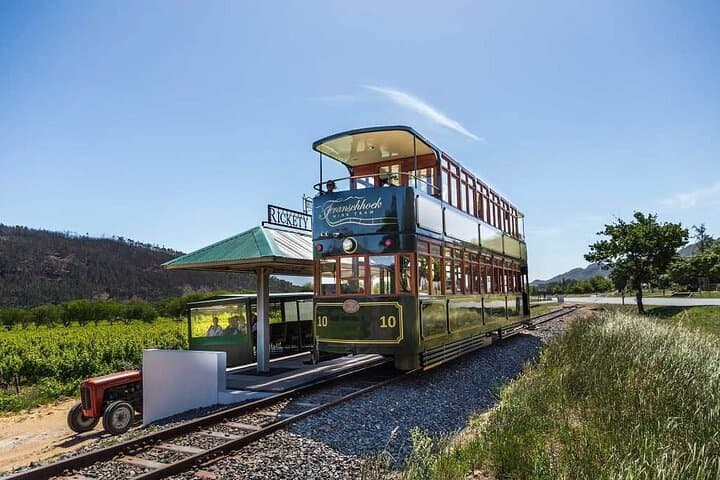
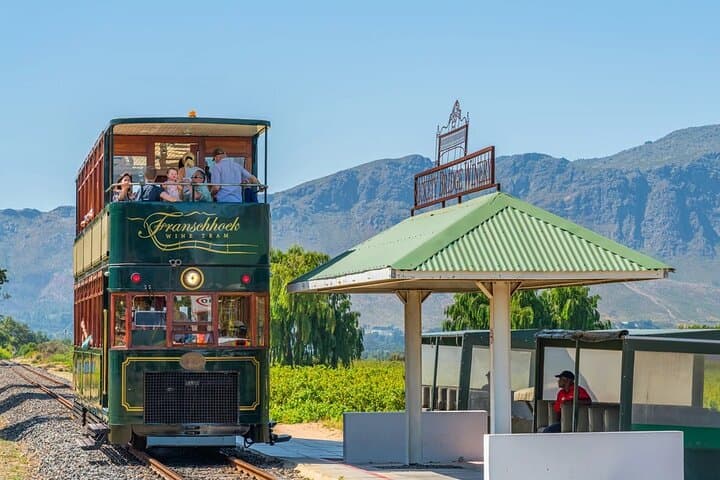
A crisp morning light peels back the mountains as the vintage-style tram eases out of Groot Drakenstein terminal and the Franschhoek Valley opens like a living map. Vine rows march up gentle slopes, early grape leaves trembling in a cool breeze that dares you to slow down. Onboard, glasses clink in chorus with the tram's soft wheels; every stop unfolds a new view and a new conversation with the land.
A crisp morning light peels back the mountains as the vintage-style tram eases out of Groot Drakenstein terminal and the Franschhoek Valley opens like a living map. Vine rows march up gentle slopes, early grape leaves trembling in a cool breeze that dares you to slow down. Onboard, glasses clink in chorus with the tram's soft wheels; every stop unfolds a new view and a new conversation with the land.
Franschhoek’s story starts with Huguenot settlers in the 17th century: stone cottages, French surnames, and an agricultural know-how that shaped the valley’s vineyards. Geologically, the valley sits in a rain-shadow of the surrounding mountains, producing mineral-rich soils and distinct terroirs that winemakers exploit in small, distinct plots. The town’s culinary rise is recent—chefs, cellars, and artisans converting rural roots into international acclaim.
Practical details sit alongside the romance: daily departures from Cape Town with morning pick-up, roughly 8–8.5 hours round trip, and wheelchair-accessible vehicles and tram cars. Expect multiple vineyard stops—interactive cellar tours, a guided tasting with sommeliers, and a relaxed pace that lets you hop off, explore farm stores, or linger over a plate paired to the wine. Cashless payments are common; bring your passport if traveling internationally and wear sturdy shoes for gravel yards and cellar steps.
Timing matters—midweek rides are quieter, harvest season brings energy, and late afternoon light is prime for photos. Hydrate between tastings and plan a sober ride back to Cape Town. The tram is less a rush and more a slow-minded conversation with Franschhoek’s hills, wines, and history.