THE ADVENTURE COLLECTIVE® · Independent discovery and booking for outdoor travel

Ride an e‑bike through Franschhoek’s vineyard-lined roads, pausing for cellar tastings and curated pairings. This half‑day tour blends gentle climbs, local history and guided wine tasting for an accessible outdoor escape.
Ride an e‑bike through Franschhoek’s vineyard-lined roads, pausing for cellar tastings and curated pairings. This half‑day tour blends gentle climbs, local history and guided wine tasting for an accessible outdoor escape.
You start under an open Cape sky, leather-saddled e-bike humming as the valley opens ahead—rows of vines stretching toward steep, folded mountains. The road rolls: short climbs that wake the legs and flats that let the motor do the work while sunlight warms the oak barrels waiting at the next estate.
Verified experiences and guided adventures in the surrounding area.
Operated by Franschhoek Cycles · Franschhoek, Western Cape
You start under an open Cape sky, leather-saddled e-bike humming as the valley opens ahead—rows of vines stretching toward steep, folded mountains. The road rolls: short climbs that wake the legs and flats that let the motor do the work while sunlight warms the oak barrels waiting at the next estate.
The Franschhoek Valley was shaped by rivers and old sea beds; its soils—gravelly, decomposed granite and shale—give rise to the crisp Chenin Blancs and concentrated Cabernet blends the region is known for. French Huguenot settlers planted the first vines in the 17th century, and winemaking remains central to local culture: tasting rooms, cellar tours and food pairings are part of the social fabric.
Expect mostly paved country roads with occasional farm tracks and gentle grades; a typical half‑day route covers 15–30 km with 150–400 m of accumulated elevation gain, depending on stops. The guide handles navigation and winery access, so you can focus on cadence, scenery and tasting notes. Plan for sun, wind and sudden shade through oak avenues—hydration and layered clothing matter.
Practical tips: arrive with a charged phone and comfortable shoes, fit your helmet properly, and keep identification handy for tastings. Mid‑afternoon light is ideal for photos and cooler temps; weekends are busier at popular estates. This ride balances relaxed outdoors time, local history and a hands‑on wine experience—an efficient, sensory half‑day in one of South Africa’s most walkable wine valleys.
easy.
2–4 hours.
Suitable for light to moderate fitness; e‑bike assistance reduces exertion but expect uphill pedaling on some sections.
E‑bikes are supplied as part of the tour; they provide pedal-assist to smooth climbs but still require rider input—guides fit bikes to riders at the start.
Yes—tastings and at least one pairing are included; specific wineries visited are confirmed on the day with the guide.
The tour is advertised as suitable for most fitness levels and offers infant seats for small children, but confirm age/weight limits when booking.
This operator lists all sales final; discuss weather contingency with the provider before booking if conditions may affect your plans.
Franschhoek’s modern identity grew from 17th‑century French Huguenot settlers who established vineyards and a winemaking tradition that still defines the valley.
Many estates practice sustainable viticulture and water-wise irrigation; riders should stay on roads and avoid trampling cover crops and young vines.
Franschhoek Cycles operates guided outdoor trips and adventures with an emphasis on safety, stewardship, and memorable experiences.
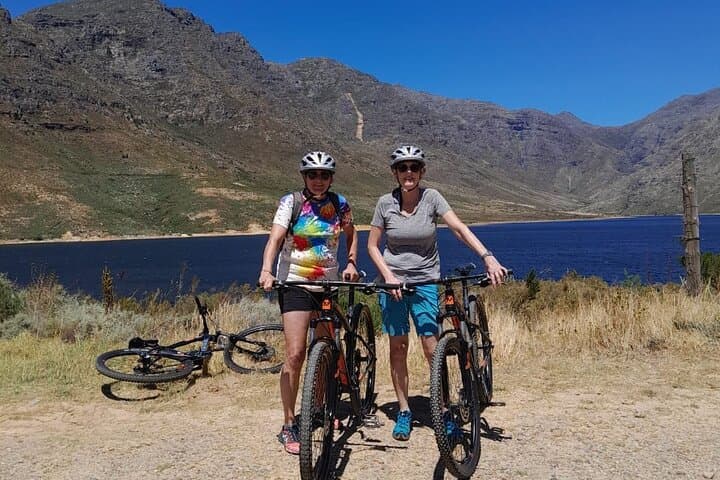


You start under an open Cape sky, leather-saddled e-bike humming as the valley opens ahead—rows of vines stretching toward steep, folded mountains. The road rolls: short climbs that wake the legs and flats that let the motor do the work while sunlight warms the oak barrels waiting at the next estate.
You start under an open Cape sky, leather-saddled e-bike humming as the valley opens ahead—rows of vines stretching toward steep, folded mountains. The road rolls: short climbs that wake the legs and flats that let the motor do the work while sunlight warms the oak barrels waiting at the next estate.
The Franschhoek Valley was shaped by rivers and old sea beds; its soils—gravelly, decomposed granite and shale—give rise to the crisp Chenin Blancs and concentrated Cabernet blends the region is known for. French Huguenot settlers planted the first vines in the 17th century, and winemaking remains central to local culture: tasting rooms, cellar tours and food pairings are part of the social fabric.
Expect mostly paved country roads with occasional farm tracks and gentle grades; a typical half‑day route covers 15–30 km with 150–400 m of accumulated elevation gain, depending on stops. The guide handles navigation and winery access, so you can focus on cadence, scenery and tasting notes. Plan for sun, wind and sudden shade through oak avenues—hydration and layered clothing matter.
Practical tips: arrive with a charged phone and comfortable shoes, fit your helmet properly, and keep identification handy for tastings. Mid‑afternoon light is ideal for photos and cooler temps; weekends are busier at popular estates. This ride balances relaxed outdoors time, local history and a hands‑on wine experience—an efficient, sensory half‑day in one of South Africa’s most walkable wine valleys.