THE ADVENTURE COLLECTIVE® · Independent discovery and booking for outdoor travel

Play ParaPoly in Frankfurt: a 2–3 km app-driven urban scavenger hunt that turns monuments, streets, and public art into puzzle stations. Ideal for teams of 2–6, the game blends sightseeing with escape-room style challenges over about 2.5 hours.
Play ParaPoly in Frankfurt: a 2–3 km app-driven urban scavenger hunt that turns monuments, streets, and public art into puzzle stations. Ideal for teams of 2–6, the game blends sightseeing with escape-room style challenges over about 2.5 hours.
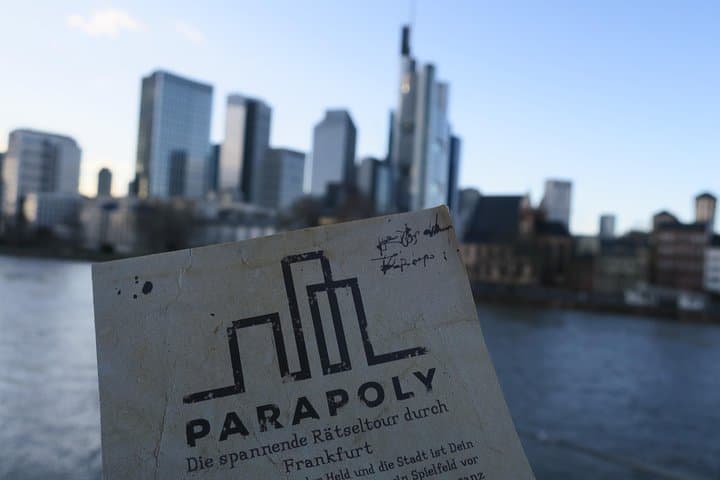
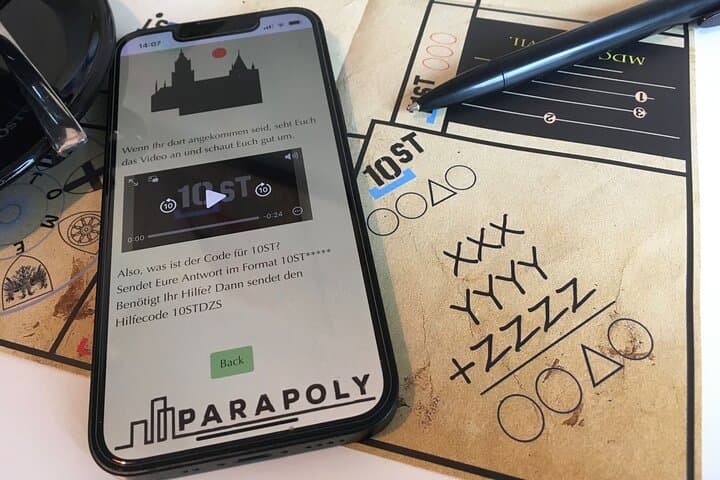
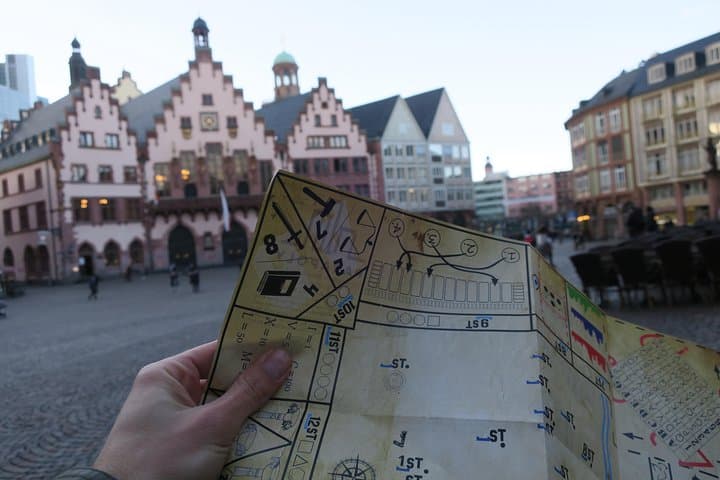
The square hums with tram bells and coffee steam as a small team peers down at a printed game card and a charged phone — this is where ParaPoly begins. Players move off the plaza into narrow lanes and broad boulevards, the River Main cutting a steady line through the city and daring teams to race its banks for the next clue.
Verified experiences and guided adventures in the surrounding area.
Operated by ParaPoly · Frankfurt am Main, Hesse
The square hums with tram bells and coffee steam as a small team peers down at a printed game card and a charged phone — this is where ParaPoly begins. Players move off the plaza into narrow lanes and broad boulevards, the River Main cutting a steady line through the city and daring teams to race its banks for the next clue.
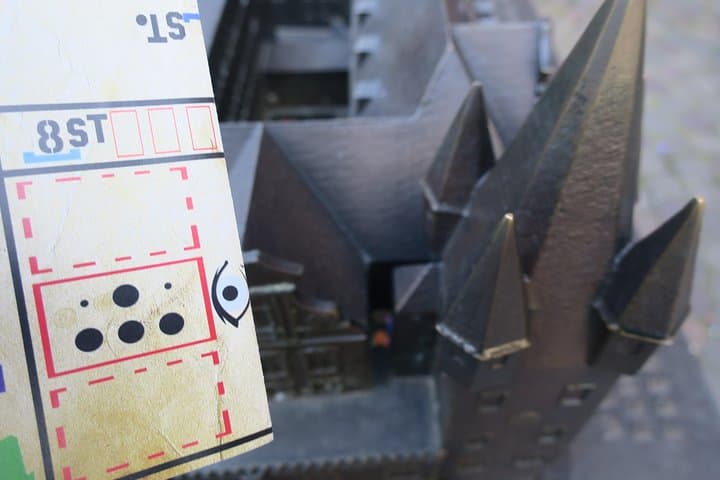
Frankfurt’s streets are layers of history: medieval merchant houses, Börse-era facades, and postwar glass towers. The game uses real monuments and urban features as puzzle components, so each solved riddle becomes a quick lesson in the city’s commerce, architecture, and public art. Underfoot you’ll encounter cobblestones and modern promenades; above, sculpted lions and the occasional fountain play parts in the clues.
Expect about 2–3 km of walking over roughly two and a half hours, with short bursts of observation and on-street sleuthing between stations. The app reveals each next station only after correct answers, and the web interface supplies local context so the tour becomes both game and mini walking tour.
Practical side: bring a portable battery, print the provided game card, and ensure you have ~100 MB of mobile data or Wi‑Fi. Teams of 2–6 work best; kids can join with guidance. Accessibility is generally good in central areas, but watch for tram tracks and variable paving.
This is a city stroll with a mission: a compact way to discover Frankfurt’s civic stories while exercising curiosity, teamwork, and a keen eye for detail.
easy.
2–3 hours.
Light-to-moderate fitness suitable — you’ll walk 2–3 km with stops for puzzles and observation
The game begins at a central square in Frankfurt; the exact meeting point and instructions appear after ticket activation.
Recommended teams are 2–6 people; the puzzles are designed for small groups working together.
No appointment is required; once the ticket is activated you can start whenever suits you during operating hours.
Central areas used in the game are generally wheelchair accessible, but accessibility can vary by exact station — check on-site conditions.
Frankfurt’s center mixes medieval merchant roots with 19th‑century finance and postwar rebuilding; many game stations reference this civic evolution.
Stick to pedestrian paths and avoid disturbing public art; using digital tickets reduces paper waste, and local transit reduces traffic impact.
ParaPoly operates guided outdoor trips and adventures with an emphasis on safety, stewardship, and memorable experiences.
The square hums with tram bells and coffee steam as a small team peers down at a printed game card and a charged phone — this is where ParaPoly begins. Players move off the plaza into narrow lanes and broad boulevards, the River Main cutting a steady line through the city and daring teams to race its banks for the next clue.
The square hums with tram bells and coffee steam as a small team peers down at a printed game card and a charged phone — this is where ParaPoly begins. Players move off the plaza into narrow lanes and broad boulevards, the River Main cutting a steady line through the city and daring teams to race its banks for the next clue.
Frankfurt’s streets are layers of history: medieval merchant houses, Börse-era facades, and postwar glass towers. The game uses real monuments and urban features as puzzle components, so each solved riddle becomes a quick lesson in the city’s commerce, architecture, and public art. Underfoot you’ll encounter cobblestones and modern promenades; above, sculpted lions and the occasional fountain play parts in the clues.
Expect about 2–3 km of walking over roughly two and a half hours, with short bursts of observation and on-street sleuthing between stations. The app reveals each next station only after correct answers, and the web interface supplies local context so the tour becomes both game and mini walking tour.
Practical side: bring a portable battery, print the provided game card, and ensure you have ~100 MB of mobile data or Wi‑Fi. Teams of 2–6 work best; kids can join with guidance. Accessibility is generally good in central areas, but watch for tram tracks and variable paving.
This is a city stroll with a mission: a compact way to discover Frankfurt’s civic stories while exercising curiosity, teamwork, and a keen eye for detail.