THE ADVENTURE COLLECTIVE® · Independent discovery and booking for outdoor travel

Board the legendary Fram on a private, skip-the-line tour in Oslo. Explore the polar ship’s cabins, engine room and expedition exhibits with an expert guide and get fast-track access to one of Norway’s most vivid maritime museums.
Board the legendary Fram on a private, skip-the-line tour in Oslo. Explore the polar ship’s cabins, engine room and expedition exhibits with an expert guide and get fast-track access to one of Norway’s most vivid maritime museums.
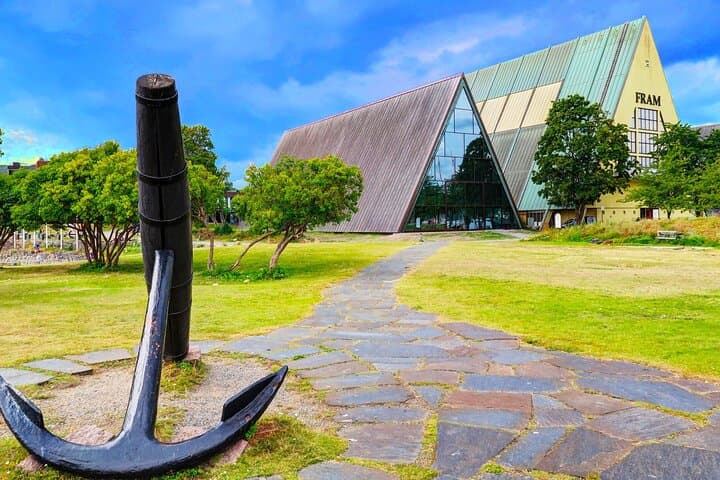
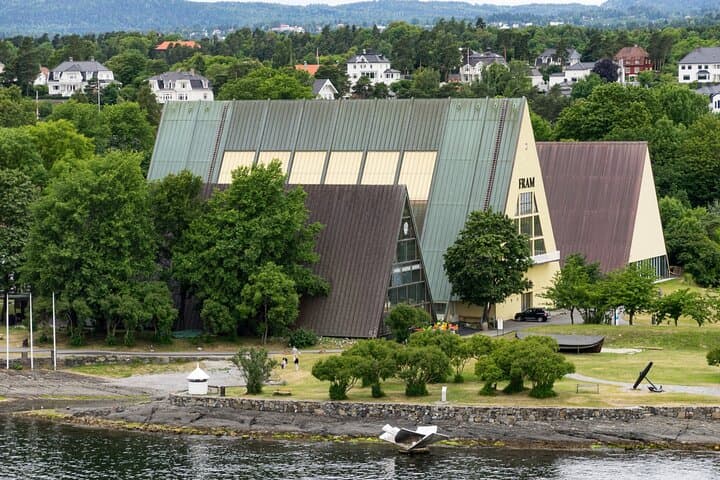
You step off the tram onto Bygdøy and the air smells faintly of salt and tar—an honest, cold bite that suits a ship built for ice. The Fram rests on its keel in a dedicated hall, hull wide and uncompromising; your private guide opens a door and history feels like a living room you can walk through.
Verified experiences and guided adventures in the surrounding area.
Operated by ROSOTRAVEL Sp z o.o. Norway · Oslo, Oslo
You step off the tram onto Bygdøy and the air smells faintly of salt and tar—an honest, cold bite that suits a ship built for ice. The Fram rests on its keel in a dedicated hall, hull wide and uncompromising; your private guide opens a door and history feels like a living room you can walk through.
The Fram is central to Norway’s age of polar exploration. Built to survive crushing pack ice, its rounded hull and low profile reflect pragmatic engineering born of Arctic geology and decades of trial. Exhibits nearby trace the arc from 19th-century ambition through Roald Amundsen’s triumphs to modern High North research, and artifacts—sleds, fur-lined garments, navigation charts—put human scale on stories that could otherwise seem distant.
Culturally, the museum sits amid a cluster of maritime institutions on Bygdøy, where seafaring shaped Oslo’s identity. The guided visit accelerates access: you’ll board the ship, examine cabins and the engine room, watch short films, and see original expedition kit displayed with clear context.
Practical notes: the tour is a walking, largely indoor experience of about two hours—good for all fitness levels and wheelchair accessible. Expect tight corridors aboard the Fram and cool interior temperatures; layers work best. Photography is allowed in most spaces; fast-track tickets cut queue time at the ticket desk but not security checks. Finish with a stroll along the peninsula for fjord views and nearby museums if you have extra time.
Bring comfortable shoes, and plan for changeable Oslo weather—this is a close, tactile way to connect with the High North without leaving the city.
easy.
2 hours.
Suitable for most visitors; requires basic mobility for boarding and walking through exhibits
Skip-the-line tickets let you avoid the ticket office queue, but you must still pass standard entrance and security checks before entry.
Yes—exterior paths, main exhibition halls, and many areas are wheelchair accessible; check with the operator for any specific mobility needs.
Photography is generally allowed in exhibit spaces and aboard the ship, though some objects or film screenings may be restricted—follow onsite signage and guide instructions.
The private guided experience runs about two hours; wear comfortable shoes and layered clothing as interiors can be cool.
The Fram was specially built in 1892–1893 for polar expeditions; its design prioritized surviving ice pressure and became central to Norwegian exploration of both poles.
The museum preserves expedition gear and promotes responsible interpretation of polar history; visitors are encouraged to respect exhibits and minimize flash photography to protect artifacts.
ROSOTRAVEL Sp z o.o. Norway operates guided outdoor trips and adventures with an emphasis on safety, stewardship, and memorable experiences.

You step off the tram onto Bygdøy and the air smells faintly of salt and tar—an honest, cold bite that suits a ship built for ice. The Fram rests on its keel in a dedicated hall, hull wide and uncompromising; your private guide opens a door and history feels like a living room you can walk through.
You step off the tram onto Bygdøy and the air smells faintly of salt and tar—an honest, cold bite that suits a ship built for ice. The Fram rests on its keel in a dedicated hall, hull wide and uncompromising; your private guide opens a door and history feels like a living room you can walk through.
The Fram is central to Norway’s age of polar exploration. Built to survive crushing pack ice, its rounded hull and low profile reflect pragmatic engineering born of Arctic geology and decades of trial. Exhibits nearby trace the arc from 19th-century ambition through Roald Amundsen’s triumphs to modern High North research, and artifacts—sleds, fur-lined garments, navigation charts—put human scale on stories that could otherwise seem distant.
Culturally, the museum sits amid a cluster of maritime institutions on Bygdøy, where seafaring shaped Oslo’s identity. The guided visit accelerates access: you’ll board the ship, examine cabins and the engine room, watch short films, and see original expedition kit displayed with clear context.
Practical notes: the tour is a walking, largely indoor experience of about two hours—good for all fitness levels and wheelchair accessible. Expect tight corridors aboard the Fram and cool interior temperatures; layers work best. Photography is allowed in most spaces; fast-track tickets cut queue time at the ticket desk but not security checks. Finish with a stroll along the peninsula for fjord views and nearby museums if you have extra time.
Bring comfortable shoes, and plan for changeable Oslo weather—this is a close, tactile way to connect with the High North without leaving the city.