THE ADVENTURE COLLECTIVE® · Independent discovery and booking for outdoor travel

A guided two‑hour botanical walk in Mumbai that links plant scents to India’s shift from oral to written history. Smell medicinal leaves, learn cultural uses, and explore how gardens became living archives.
A guided two‑hour botanical walk in Mumbai that links plant scents to India’s shift from oral to written history. Smell medicinal leaves, learn cultural uses, and explore how gardens became living archives.
The morning light threads through broad leaves and the air leans heavy with scent as you step into the botanical garden for a two‑hour storytelling walk.
Verified experiences and guided adventures in the surrounding area.
Operated by Theatre of Botany · Mumbai, Maharashtra
The morning light threads through broad leaves and the air leans heavy with scent as you step into the botanical garden for a two‑hour storytelling walk.
On this route, trees take on voices: bark and leaf hold marks of memory while guides map how stories moved from voice to page. The walk links living plants to India’s long tradition of oral transmission and the later rise of written manuscripts—palms, barks and inks are spoken of as materials that shifted who could record history.
Botanical gardens in British India were living labs and trade hubs; that legacy shows in ordered beds of native and introduced species here. Geology matters too—the thin coastal soils, monsoon-fed humidity and urban microclimate all shape which fragrances open early and which sleep until the sun breaks.
Culturally the tour foregrounds plants as social actors: spices and medicinal herbs that shaped local economies, and trees that feature in regional poems and practice. Expect a close reading of leaves—smelling, not harvesting—and clear interpretation rather than a formal lecture.
Practical guidance: the route is an easy, mostly flat two‑hour walk suitable for most ages and stroller access. Go early when fragrances are strongest and temperatures cooler; avoid heavy rain during the monsoon. Wear closed‑toe walking shoes, bring a refillable water bottle and sun protection, and follow the guide’s instructions about not touching or picking specimens. Public transport reaches the garden and the tour is private and accessible by mobile ticket. Carry a small notebook if you want to jot plant names and phrases—the forest here is quietly eager to be read.
easy.
2 hours.
Light walking; suitable for most fitness levels and families
The guided route runs about two hours and covers mostly flat, stroller‑friendly paths.
Yes—infants may sit on laps; the content is accessible for older children but may be best for those who can walk or sit through commentary.
Guides encourage smelling leaves and flowers, but picking, tasting, or removing plant material is not allowed for conservation reasons.
Parts of the garden are stroller‑friendly and relatively level; full wheelchair access depends on specific paths—check with the operator if you require accommodations.
Botanical gardens in colonial India functioned as living libraries and exchange centers for economic plants; many species here reflect that history and the shifting record‑keeping practices of the region.
The garden is curated for education and plant conservation—visitors should follow signage, refrain from picking, and stick to paths to protect fragile beds.
Theatre of Botany operates guided outdoor trips and adventures with an emphasis on safety, stewardship, and memorable experiences.
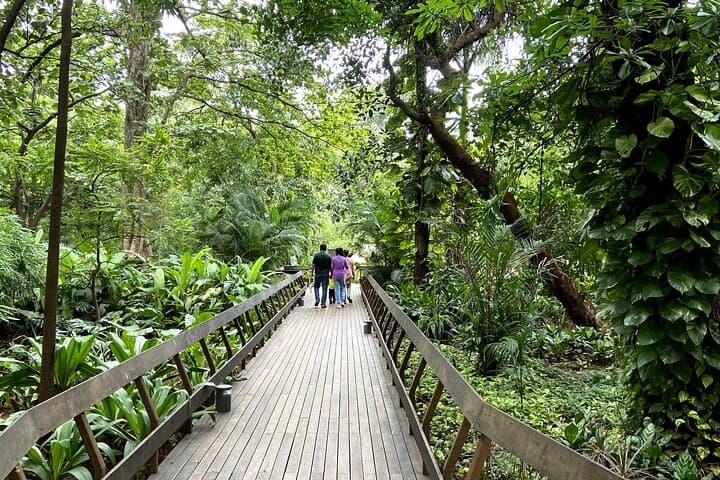
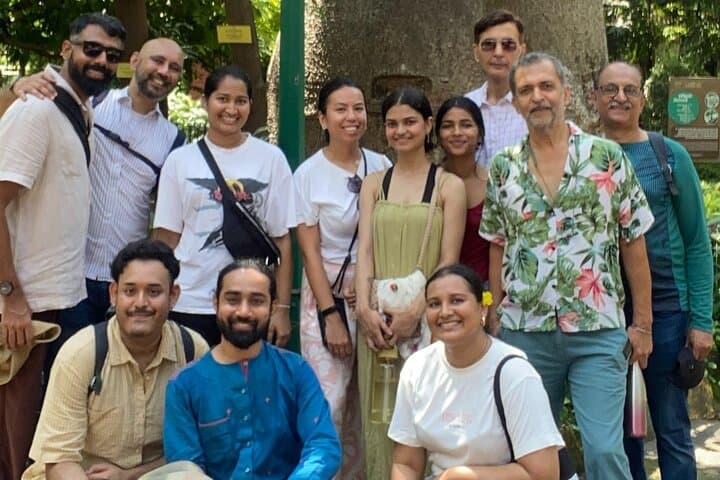
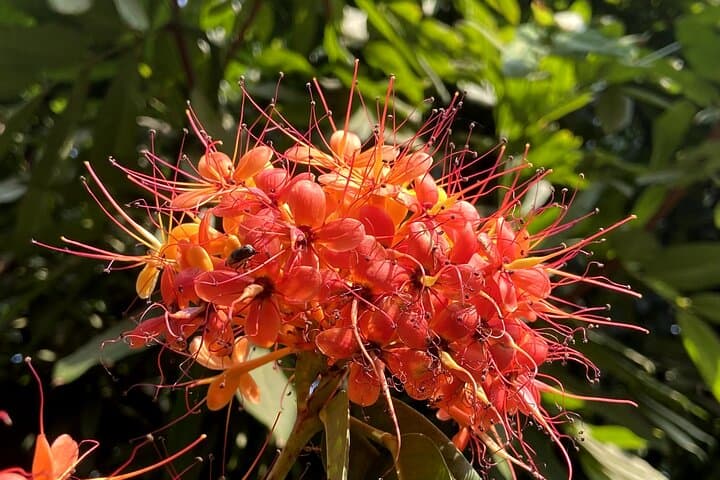
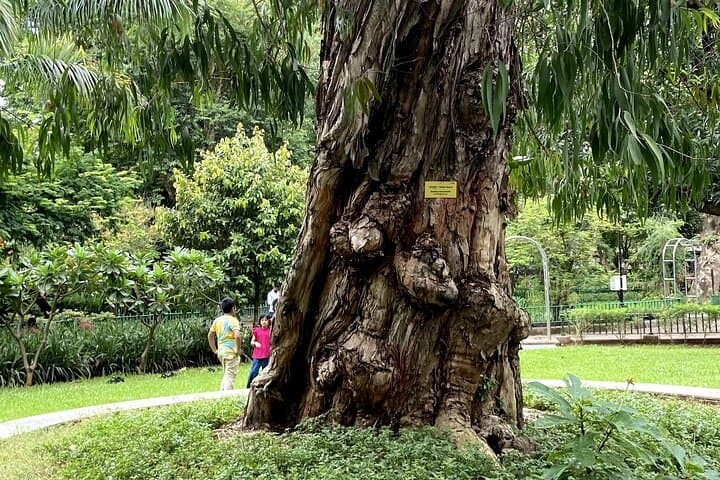
The morning light threads through broad leaves and the air leans heavy with scent as you step into the botanical garden for a two‑hour storytelling walk.
The morning light threads through broad leaves and the air leans heavy with scent as you step into the botanical garden for a two‑hour storytelling walk.
On this route, trees take on voices: bark and leaf hold marks of memory while guides map how stories moved from voice to page. The walk links living plants to India’s long tradition of oral transmission and the later rise of written manuscripts—palms, barks and inks are spoken of as materials that shifted who could record history.
Botanical gardens in British India were living labs and trade hubs; that legacy shows in ordered beds of native and introduced species here. Geology matters too—the thin coastal soils, monsoon-fed humidity and urban microclimate all shape which fragrances open early and which sleep until the sun breaks.
Culturally the tour foregrounds plants as social actors: spices and medicinal herbs that shaped local economies, and trees that feature in regional poems and practice. Expect a close reading of leaves—smelling, not harvesting—and clear interpretation rather than a formal lecture.
Practical guidance: the route is an easy, mostly flat two‑hour walk suitable for most ages and stroller access. Go early when fragrances are strongest and temperatures cooler; avoid heavy rain during the monsoon. Wear closed‑toe walking shoes, bring a refillable water bottle and sun protection, and follow the guide’s instructions about not touching or picking specimens. Public transport reaches the garden and the tour is private and accessible by mobile ticket. Carry a small notebook if you want to jot plant names and phrases—the forest here is quietly eager to be read.