THE ADVENTURE COLLECTIVE® · Independent discovery and booking for outdoor travel

Sail four nights down the Nile from Luxor to Aswan, visiting Karnak, the Valley of the Kings, Edfu and Kom Ombo with an Egyptologist guide and round-trip flights from Cairo. This full-board cruise combines relaxed river passages with focused archaeological excursions.
Sail four nights down the Nile from Luxor to Aswan, visiting Karnak, the Valley of the Kings, Edfu and Kom Ombo with an Egyptologist guide and round-trip flights from Cairo. This full-board cruise combines relaxed river passages with focused archaeological excursions.
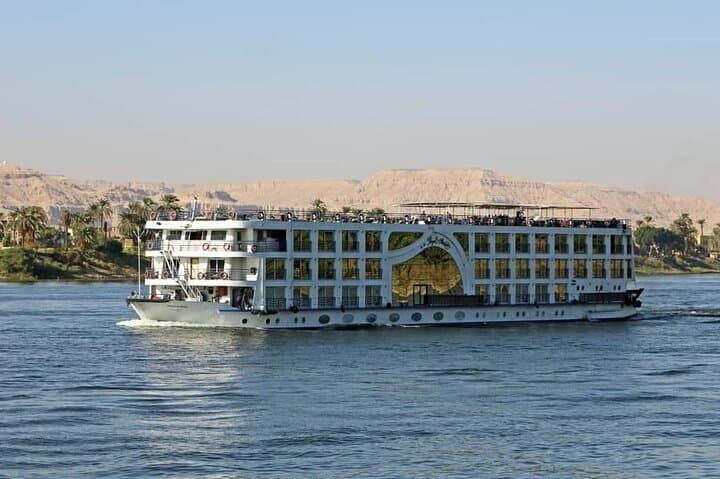
Morning light slices across the Nile as the cruise eases away from Luxor — the river pushing the boat south with the steady patience of history itself. On deck, the pylons and colonnades of Karnak retreat, replaced by low mud-brick villages and wind-carved desert that frame a corridor of green.
Verified experiences and guided adventures in the surrounding area.
Operated by Get Nile Cruise · Luxor, Luxor Governorate
Morning light slices across the Nile as the cruise eases away from Luxor — the river pushing the boat south with the steady patience of history itself. On deck, the pylons and colonnades of Karnak retreat, replaced by low mud-brick villages and wind-carved desert that frame a corridor of green.
This five-day, four-night itinerary threads together Upper Egypt’s essential sites: Karnak and Luxor Temples, the Valley of the Kings, Hatshepsut’s mortuary temple and the Colossi of Memnon on the West Bank; then Edfu and Kom Ombo’s dual sanctuaries before the High Dam and Philae at Aswan. Geologically the Nile here has carved a narrow fertile ribbon between limestone desert plateaus; culturally it’s the axis of millennia of agricultural life and pharaonic power.
Expect guided walks at each stop led by an Egyptologist, short transfers between ship and sites, and daily sail segments of roughly 40–70 river kilometers. Sightseeing is mostly low-impact but involves stairs, uneven stone, and midday sun.
Practical guidance: schedule morning tours when possible to avoid heat, carry a refillable water bottle and sunscreen, and bring sturdy walking shoes with grip for tomb steps. Cash in Egyptian pounds is useful for small vendors and tips; confirm visa and passport requirements before travel. Learn a few Arabic phrases — a simple “shukran” goes far.
This trip balances river-side leisure with concentrated cultural exploration: the Nile itself takes you between epochs, and each temple invites you to step down into the logistics of ancient belief and modern conservation.
easy.
5 days.
Suitable for travelers in average health; walking short distances, climbing steps and standing during guided tours are common.
Yes — round-trip flights Cairo–Luxor–Cairo are included in this package as stated in the itinerary.
The listing notes wheelchair accessibility, but some archaeological sites have stairs and uneven ground; check specific access needs with the operator ahead of booking.
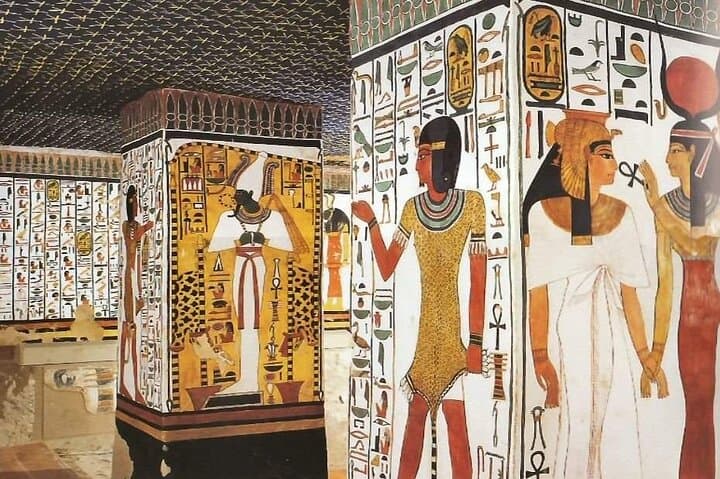
The itinerary includes guided visits to Karnak, Luxor Temple, the Valley of the Kings (three tombs), Hatshepsut’s temple, Colossi of Memnon, Edfu, Kom Ombo, Philae and the High Dam across the five days.
Tipping is customary; budget modest daily amounts for your guide and ship crew and keep small notes in Egyptian pounds for convenience.
Upper Egypt contains some of the richest pharaonic monuments—many temples were moved or altered in the 20th century (Philae was relocated to save it from the High Dam’s reservoir).
Visitors should stick to designated paths and avoid touching fragile reliefs; supporting local conservation fees and responsible tour operators helps protect sites for future generations.
Get Nile Cruise operates guided outdoor trips and adventures with an emphasis on safety, stewardship, and memorable experiences.


Morning light slices across the Nile as the cruise eases away from Luxor — the river pushing the boat south with the steady patience of history itself. On deck, the pylons and colonnades of Karnak retreat, replaced by low mud-brick villages and wind-carved desert that frame a corridor of green.
Morning light slices across the Nile as the cruise eases away from Luxor — the river pushing the boat south with the steady patience of history itself. On deck, the pylons and colonnades of Karnak retreat, replaced by low mud-brick villages and wind-carved desert that frame a corridor of green.
This five-day, four-night itinerary threads together Upper Egypt’s essential sites: Karnak and Luxor Temples, the Valley of the Kings, Hatshepsut’s mortuary temple and the Colossi of Memnon on the West Bank; then Edfu and Kom Ombo’s dual sanctuaries before the High Dam and Philae at Aswan. Geologically the Nile here has carved a narrow fertile ribbon between limestone desert plateaus; culturally it’s the axis of millennia of agricultural life and pharaonic power.
Expect guided walks at each stop led by an Egyptologist, short transfers between ship and sites, and daily sail segments of roughly 40–70 river kilometers. Sightseeing is mostly low-impact but involves stairs, uneven stone, and midday sun.
Practical guidance: schedule morning tours when possible to avoid heat, carry a refillable water bottle and sunscreen, and bring sturdy walking shoes with grip for tomb steps. Cash in Egyptian pounds is useful for small vendors and tips; confirm visa and passport requirements before travel. Learn a few Arabic phrases — a simple “shukran” goes far.
This trip balances river-side leisure with concentrated cultural exploration: the Nile itself takes you between epochs, and each temple invites you to step down into the logistics of ancient belief and modern conservation.