THE ADVENTURE COLLECTIVE® · Independent discovery and booking for outdoor travel

Sail four nights between Luxor and Aswan aboard a comfortable Nile cruise that pairs on-board relaxation with guided visits to Karnak, the Valley of the Kings, Philae and Kom Ombo. This itinerary blends iconic temples, Nubian markets and riverside scenery with easy shore excursions.
Sail four nights between Luxor and Aswan aboard a comfortable Nile cruise that pairs on-board relaxation with guided visits to Karnak, the Valley of the Kings, Philae and Kom Ombo. This itinerary blends iconic temples, Nubian markets and riverside scenery with easy shore excursions.
The cruise begins on a sun-baked morning in Luxor: teak decking warm underfoot, the Nile pulling the boat south with a steady patience while minarets and date palms slide by like pages in a slow book.
Verified experiences and guided adventures in the surrounding area.
Operated by Packnfly · Luxor, Luxor Governorate
The cruise begins on a sun-baked morning in Luxor: teak decking warm underfoot, the Nile pulling the boat south with a steady patience while minarets and date palms slide by like pages in a slow book.
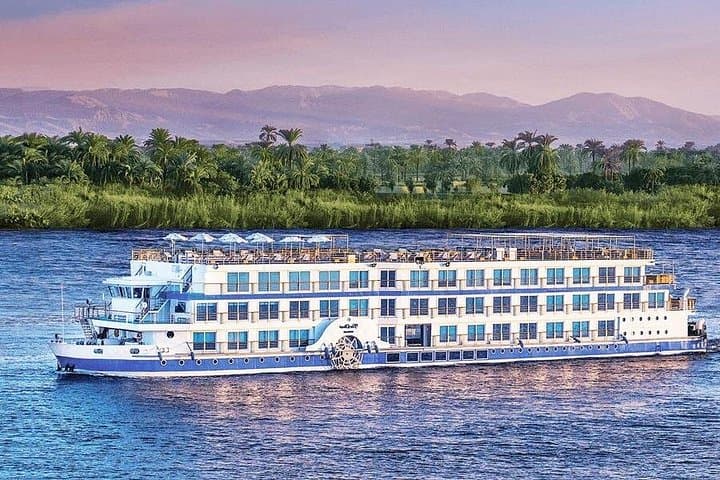
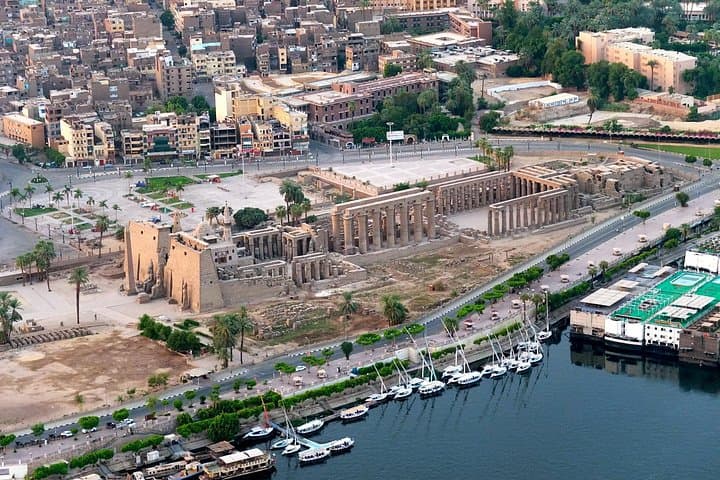
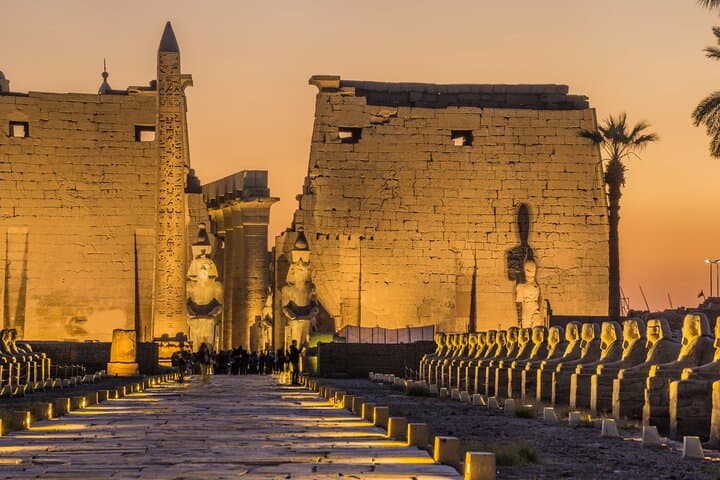
Over four nights aboard a five-star vessel with suites, a sundeck and a small pool, travelers move through two millennia of Egyptian history. The itinerary stitches together Karnak’s avenue of ram-headed sphinxes, the layered sanctuaries of Luxor Temple, the rock-cut tombs of the Valley of the Kings and Hatshepsut’s terraced mortuary temple. Geology is visible in the warm limestone and granite cliffs that ancient masons carved; the Unfinished Obelisk at Aswan shows how faults in the bedrock shaped ambitions.
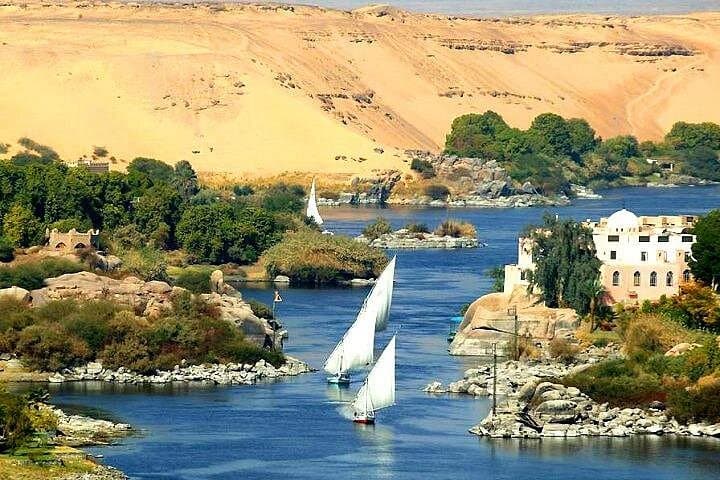
Culture arrives in markets and in Nubian hospitality on Aswan’s banks: spice stalls, hand-woven rugs and feluccas slicing the river at dusk. Philae’s temple was moved stone-by-stone to escape the High Dam’s rising waters — an interplay of ancient craft and modern engineering.
Practical guidance: bring sun protection and a refillable water bottle, expect short shore excursions on uneven ground, and carry cash for small purchases and tips. Plan temple visits for cooler morning hours and allow time on deck to watch the river change character — from green agricultural floodplain to broader stretches near Aswan. Respect photography rules inside sanctuaries and avoid touching reliefs. The cruise is physically gentle but active on shore; comfortable shoes and a lightweight daypack will make excursions easier.
easy.
4–5 days.
Suitable for travelers in average physical condition; shore walks can be uneven but short.
Admission fees are often not included by default; check your booking details and carry cash or confirmation if fees are prepaid.
Pickup is typically from Luxor Airport, railway station or local hotels — confirm your chosen pickup point when booking.
Yes; the pace is relaxed and excursions are short, but consider mobility limitations for uneven ground and steps at some sites.
Cell coverage is generally available in towns; Wi‑Fi on smaller cruise ships can be limited — bring offline maps and downloaded guides.
The route follows pharaonic arteries: temples and tombs built by New Kingdom pharaohs and later dynasties, with modern interventions like the Aswan High Dam reshaping the river.
Tourism concentrates at fragile monuments and island temples; stick to marked paths, avoid touching reliefs and support local guides to funnel benefits into the community.
Packnfly operates guided outdoor trips and adventures with an emphasis on safety, stewardship, and memorable experiences.
The cruise begins on a sun-baked morning in Luxor: teak decking warm underfoot, the Nile pulling the boat south with a steady patience while minarets and date palms slide by like pages in a slow book.
The cruise begins on a sun-baked morning in Luxor: teak decking warm underfoot, the Nile pulling the boat south with a steady patience while minarets and date palms slide by like pages in a slow book.
Over four nights aboard a five-star vessel with suites, a sundeck and a small pool, travelers move through two millennia of Egyptian history. The itinerary stitches together Karnak’s avenue of ram-headed sphinxes, the layered sanctuaries of Luxor Temple, the rock-cut tombs of the Valley of the Kings and Hatshepsut’s terraced mortuary temple. Geology is visible in the warm limestone and granite cliffs that ancient masons carved; the Unfinished Obelisk at Aswan shows how faults in the bedrock shaped ambitions.
Culture arrives in markets and in Nubian hospitality on Aswan’s banks: spice stalls, hand-woven rugs and feluccas slicing the river at dusk. Philae’s temple was moved stone-by-stone to escape the High Dam’s rising waters — an interplay of ancient craft and modern engineering.
Practical guidance: bring sun protection and a refillable water bottle, expect short shore excursions on uneven ground, and carry cash for small purchases and tips. Plan temple visits for cooler morning hours and allow time on deck to watch the river change character — from green agricultural floodplain to broader stretches near Aswan. Respect photography rules inside sanctuaries and avoid touching reliefs. The cruise is physically gentle but active on shore; comfortable shoes and a lightweight daypack will make excursions easier.