THE ADVENTURE COLLECTIVE® · Independent discovery and booking for outdoor travel

Four days tracing Kenya’s southern wildlands: dusty elephant herds in Tsavo East, Kilimanjaro-lit plains in Amboseli and the forested ridges of Taita Hills. This itinerary balances big-game viewing with lodge comfort and local cultural encounters.
Four days tracing Kenya’s southern wildlands: dusty elephant herds in Tsavo East, Kilimanjaro-lit plains in Amboseli and the forested ridges of Taita Hills. This itinerary balances big-game viewing with lodge comfort and local cultural encounters.
You wake before dawn on the Mombasa road, headlights slicing the predawn dust as the highway unfurls toward Tsavo. By midmorning the land opens: red-soil plains dotted with acacia, the Galana River daring hippos to surface and elephants to wallow in midnight-blue pools. The Yatta Plateau runs like a dark spine across the horizon — the world’s longest lava flow — and, on clear days at Amboseli, Kilimanjaro crowns the skyline with a near-impossible snowcap.
Verified experiences and guided adventures in the surrounding area.
Operated by African Mosaic Tours and Safaris · Voi, Taita-Taveta County
You wake before dawn on the Mombasa road, headlights slicing the predawn dust as the highway unfurls toward Tsavo. By midmorning the land opens: red-soil plains dotted with acacia, the Galana River daring hippos to surface and elephants to wallow in midnight-blue pools. The Yatta Plateau runs like a dark spine across the horizon — the world’s longest lava flow — and, on clear days at Amboseli, Kilimanjaro crowns the skyline with a near-impossible snowcap.
This itinerary threads three of southern Kenya’s signature ecosystems. Tsavo East is broad savanna and scrub where large, dust-red elephant herds, lion prides and buffalo wander between riverine palms. Amboseli, famed for close elephant encounters and dramatic mountain silhouettes, sits on an ancient lakebed whose salty flats give the Maasai name “Amboseli” — salty dust. Taita Hills’ wooded ridges and community conservancies add elevation and bird-rich pockets to the safari mix.
Expect long but comfortable transfer days by 4x4, daily morning and evening game drives, lodge or camp accommodation and full-board meals. Wildlife viewing peaks in the cooler early morning and late afternoon; midday is for birding, naps or lodge hides. Roads can be rough after rains; a higher-clearance vehicle matters.
Practical tips: pack neutral, layered clothing, reliable binoculars and sun protection; carry a power bank for cameras. Respect park rules and local Maasai communities: lower voices on drives, avoid flashing lights at night, and favor guides who support local conservancies. With patient observation and a bit of luck, the landscape rewards you with close encounters and wide, watchful skies.
easy.
4 days.
Suitable for travelers in average fitness; drives are sedentary but involve short walks and uneven lodge paths.
The dry months (June–October and January–February) offer easier driving and predictable water-sourced wildlife concentrations; the long rains (March–May) bring bird migrants and green landscapes but can make some roads slippery.
Consult your physician for routine immunizations and anti-malarial advice; yellow fever proof may be required depending on travel history and border rules.
The tour is family-friendly with lodge accommodation, but vehicle hours and uneven ground may challenge very young children or those with limited mobility—check wheelchair accessibility with the operator.
The itinerary typically includes park entrance fees, accommodation (lodges named in the itinerary), meals as listed, transfers and game drives; confirm specific inclusions and any optional extras before booking.
The Taita, Maasai and other local communities have shaped land use here for centuries; Amboseli’s Maasai name reflects the salty, alkaline soils left by ancient shorelines.
Community conservancies and anti-poaching units play a growing role; travel that supports locally run lodges and conservancies helps fund wildlife protection and community benefits.
African Mosaic Tours and Safaris operates guided outdoor trips and adventures with an emphasis on safety, stewardship, and memorable experiences.
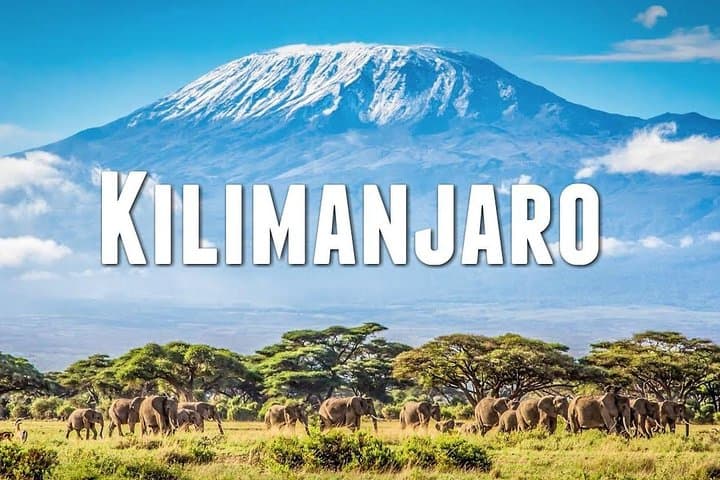


You wake before dawn on the Mombasa road, headlights slicing the predawn dust as the highway unfurls toward Tsavo. By midmorning the land opens: red-soil plains dotted with acacia, the Galana River daring hippos to surface and elephants to wallow in midnight-blue pools. The Yatta Plateau runs like a dark spine across the horizon — the world’s longest lava flow — and, on clear days at Amboseli, Kilimanjaro crowns the skyline with a near-impossible snowcap.
You wake before dawn on the Mombasa road, headlights slicing the predawn dust as the highway unfurls toward Tsavo. By midmorning the land opens: red-soil plains dotted with acacia, the Galana River daring hippos to surface and elephants to wallow in midnight-blue pools. The Yatta Plateau runs like a dark spine across the horizon — the world’s longest lava flow — and, on clear days at Amboseli, Kilimanjaro crowns the skyline with a near-impossible snowcap.
This itinerary threads three of southern Kenya’s signature ecosystems. Tsavo East is broad savanna and scrub where large, dust-red elephant herds, lion prides and buffalo wander between riverine palms. Amboseli, famed for close elephant encounters and dramatic mountain silhouettes, sits on an ancient lakebed whose salty flats give the Maasai name “Amboseli” — salty dust. Taita Hills’ wooded ridges and community conservancies add elevation and bird-rich pockets to the safari mix.
Expect long but comfortable transfer days by 4x4, daily morning and evening game drives, lodge or camp accommodation and full-board meals. Wildlife viewing peaks in the cooler early morning and late afternoon; midday is for birding, naps or lodge hides. Roads can be rough after rains; a higher-clearance vehicle matters.
Practical tips: pack neutral, layered clothing, reliable binoculars and sun protection; carry a power bank for cameras. Respect park rules and local Maasai communities: lower voices on drives, avoid flashing lights at night, and favor guides who support local conservancies. With patient observation and a bit of luck, the landscape rewards you with close encounters and wide, watchful skies.