THE ADVENTURE COLLECTIVE® · Independent discovery and booking for outdoor travel

A focused four-day hiking tour of the Tasman Peninsula combining coastal summits, cliff-top walks and a wilderness cruise. Expect dolerite cliffs, steep stone steps and close encounters with seabirds and seals.
A focused four-day hiking tour of the Tasman Peninsula combining coastal summits, cliff-top walks and a wilderness cruise. Expect dolerite cliffs, steep stone steps and close encounters with seabirds and seals.
Salt wind pushes against the cliff edge and the ocean answers with a long, thundering voice — this is the Tasman Peninsula’s coast, raw and uncompromising. On day one you leave Hobart behind and walk to Crescent Bay and Mount Brown, where granite ridges and rolling dunes frame views out to Tasman Island. The next morning the path opens to Cape Raoul’s dramatic escarpments; later you tackle Fortescue Bay to Cape Hauy, a route of carved steps and dolerite columns that demands concentration and rewards with the Totem Pole and Candlestick rising from the sea.
Verified experiences and guided adventures in the surrounding area.
Operated by Park Trek Walking Holidays · Port Arthur, Tasmania
Salt wind pushes against the cliff edge and the ocean answers with a long, thundering voice — this is the Tasman Peninsula’s coast, raw and uncompromising. On day one you leave Hobart behind and walk to Crescent Bay and Mount Brown, where granite ridges and rolling dunes frame views out to Tasman Island. The next morning the path opens to Cape Raoul’s dramatic escarpments; later you tackle Fortescue Bay to Cape Hauy, a route of carved steps and dolerite columns that demands concentration and rewards with the Totem Pole and Candlestick rising from the sea.
The landscape is young in geological terms: columns of dolerite formed by cooling lava, cliffs carved by relentless swell, and heathland shaped by wind and fire. Human history here ranges from Palawa Country to the convict era centered at nearby Port Arthur; both cultures leave traces that shape local stories and access. Wildlife is bold — white-bellied sea eagles wheel, fur seals haul out on rocks, and albatross may drift past the cruise.
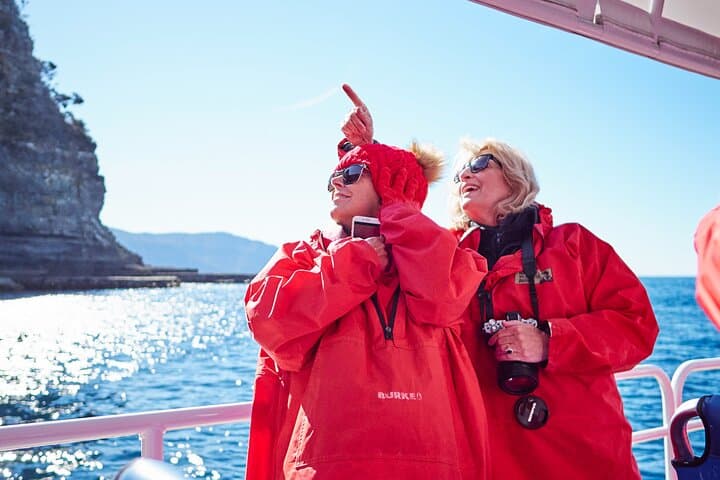
Practically, expect four days of guided walking with daily distances typically between 5–12 km and short steep sections of up to a few hundred metres elevation. Trails vary from firm packed earth to long stone staircases; good boots and a waterproof jacket are non-negotiable. The tour finishes with a three-hour wilderness cruise past coastal sea cliffs — dress warmly and bring binoculars.
Plan for changeable weather, conservative pace on narrow cliff sections, and leave-no-trace practices to protect fragile coastal heath.
moderate.
4 days.
Suitable for hikers with regular aerobic fitness who can manage walks of 5–12 km and climbs of a few hundred metres on uneven terrain.
A moderate level of fitness is required; expect daily hikes of 5–12 km with some steep sections and long stone stairways — the operator advises participants be comfortable with sustained walking.
Yes — the tour includes transfers to and from Hobart CBD as stated in the inclusions.
Accommodation is at local lodges such as Stewarts Bay Lodge or Three Capes & Tasman Lodge, offering simple, comfortable rooms near Port Arthur.
Park entry fees are included as part of the tour inclusions.
The Tasman Peninsula holds deep Palawa heritage and later became notable for the Port Arthur convict settlement; both layers inform the region’s trails and interpretive sites.
Trails cross fragile coastal heath within Tasman National Park — stick to marked routes, avoid disturbing nesting birds and carry out all waste to protect the shoreline.
Park Trek Walking Holidays operates guided outdoor trips and adventures with an emphasis on safety, stewardship, and memorable experiences.
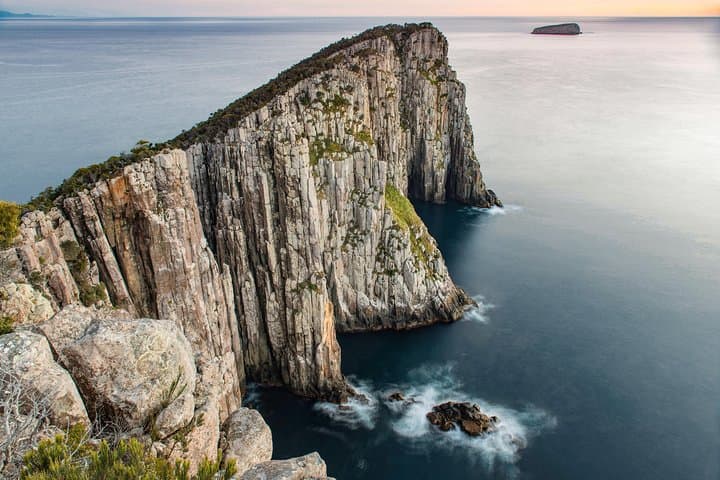
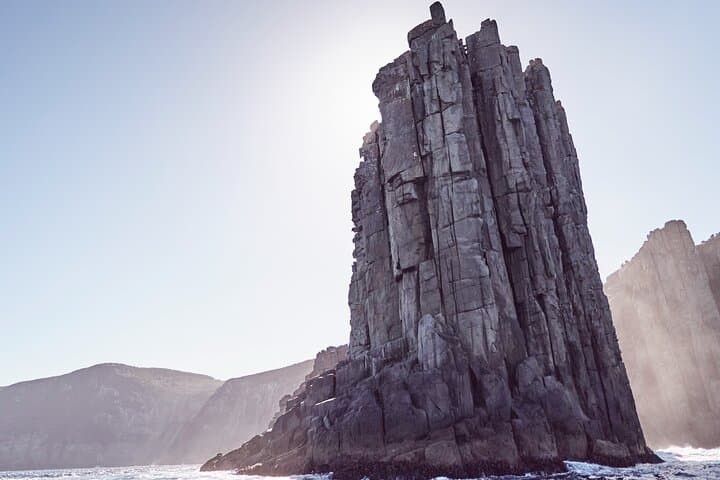
Salt wind pushes against the cliff edge and the ocean answers with a long, thundering voice — this is the Tasman Peninsula’s coast, raw and uncompromising. On day one you leave Hobart behind and walk to Crescent Bay and Mount Brown, where granite ridges and rolling dunes frame views out to Tasman Island. The next morning the path opens to Cape Raoul’s dramatic escarpments; later you tackle Fortescue Bay to Cape Hauy, a route of carved steps and dolerite columns that demands concentration and rewards with the Totem Pole and Candlestick rising from the sea.
Salt wind pushes against the cliff edge and the ocean answers with a long, thundering voice — this is the Tasman Peninsula’s coast, raw and uncompromising. On day one you leave Hobart behind and walk to Crescent Bay and Mount Brown, where granite ridges and rolling dunes frame views out to Tasman Island. The next morning the path opens to Cape Raoul’s dramatic escarpments; later you tackle Fortescue Bay to Cape Hauy, a route of carved steps and dolerite columns that demands concentration and rewards with the Totem Pole and Candlestick rising from the sea.
The landscape is young in geological terms: columns of dolerite formed by cooling lava, cliffs carved by relentless swell, and heathland shaped by wind and fire. Human history here ranges from Palawa Country to the convict era centered at nearby Port Arthur; both cultures leave traces that shape local stories and access. Wildlife is bold — white-bellied sea eagles wheel, fur seals haul out on rocks, and albatross may drift past the cruise.
Practically, expect four days of guided walking with daily distances typically between 5–12 km and short steep sections of up to a few hundred metres elevation. Trails vary from firm packed earth to long stone staircases; good boots and a waterproof jacket are non-negotiable. The tour finishes with a three-hour wilderness cruise past coastal sea cliffs — dress warmly and bring binoculars.
Plan for changeable weather, conservative pace on narrow cliff sections, and leave-no-trace practices to protect fragile coastal heath.