THE ADVENTURE COLLECTIVE® · Independent discovery and booking for outdoor travel

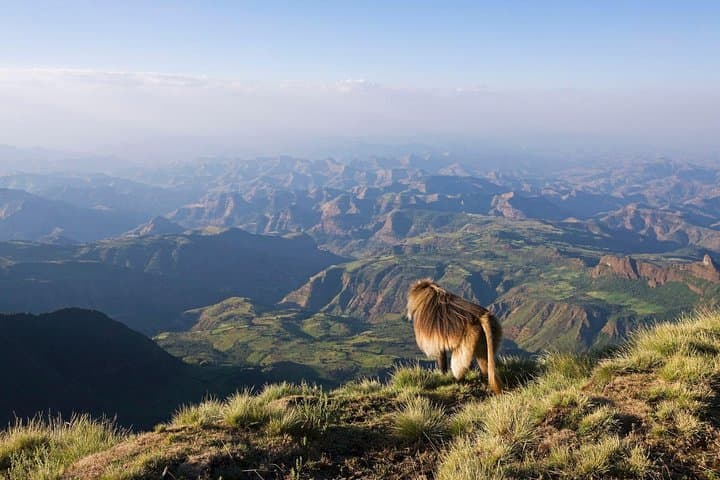
Spend four days on high volcanic plateaus, cliffs and valleys of the Simien Mountains—home to Ras Dejen, gelada baboons and the rare Walia ibex. This guided trek mixes strenuous high‑altitude climbs with cultural stops in remote villages.
Spend four days on high volcanic plateaus, cliffs and valleys of the Simien Mountains—home to Ras Dejen, gelada baboons and the rare Walia ibex. This guided trek mixes strenuous high‑altitude climbs with cultural stops in remote villages.
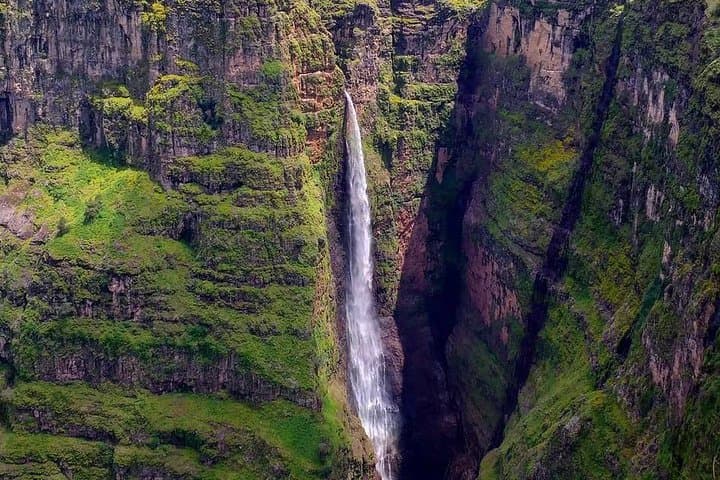
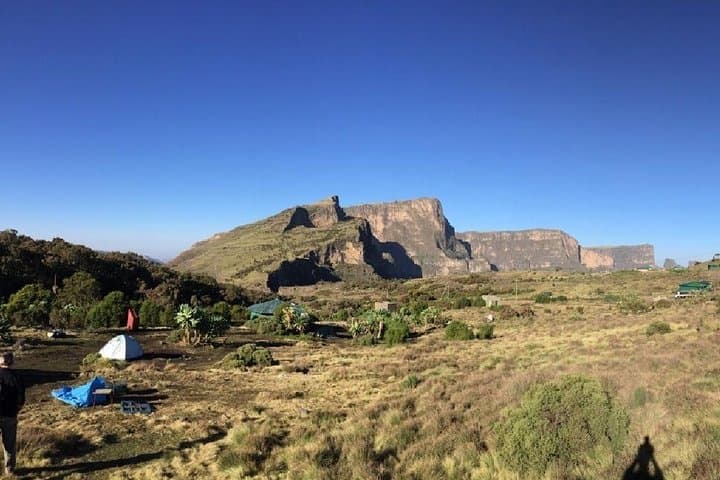
A thin light strips across the escarpment as the group breaks camp on day two—wind pulling at tents, coffee steaming in small metal cups. Trails here run along knife-edged ridges and into broad valleys where Giant Lobelia rise like prehistoric columns; the air is sharp with altitude and the view drops away in layers of plateaus and cliffs.
Verified experiences and guided adventures in the surrounding area.
Operated by Guide to Addis · Debark, Amhara Region
A thin light strips across the escarpment as the group breaks camp on day two—wind pulling at tents, coffee steaming in small metal cups. Trails here run along knife-edged ridges and into broad valleys where Giant Lobelia rise like prehistoric columns; the air is sharp with altitude and the view drops away in layers of plateaus and cliffs.
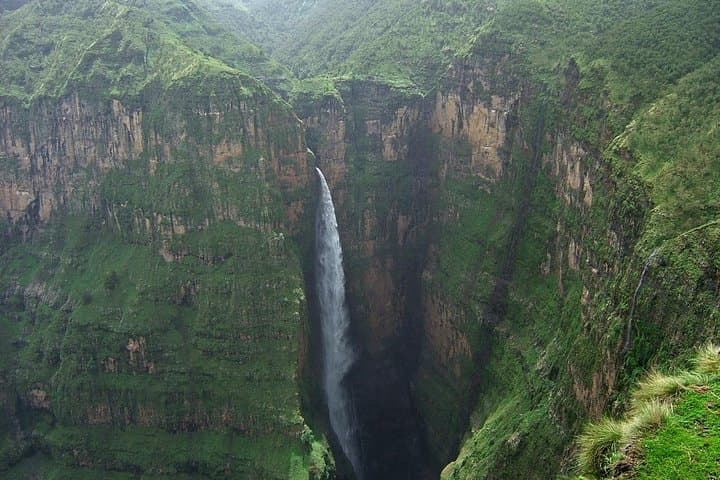
The Simien range is volcanic in origin; high basalt plateaus were carved by millennia of erosion into dramatic cliffs and deep abysses. Declared a national park in 1966 and a UNESCO site in 1978, the area shelters endemic wildlife—gelada baboons, the cliff-scaling Walia ibex—and a living rural culture where villages still perform traditional coffee ceremonies and cultivate barley on steep fields.
This guided four-day itinerary moves from Gondar to Sankaber and onward to Gich, Chennek and Buwahit, summiting near 4,430–4,543 m on the highest days. Expect varied terrain: eroded volcanic rock, narrow ridgelines, steep descents and open moorland populated with Giant Lobelia. Daily hiking ranges from moderate walks to strenuous, high-altitude climbs; camps are simple and often on exposed ridgelines.
Practical: acclimatize in Gondar or Debark before the trek, carry a warm down layer for frigid nights, and bring sun protection and a three‑liter hydration plan—altitude amplifies dehydration. The route is guided and permits are handled at park headquarters, but physical fitness and prior multi-day trekking experience are recommended. Walk deliberately on steep sections and give wildlife distance—binoculars beat the approach.
challenging.
4 days.
Requires strong cardiovascular fitness and experience with full‑day hikes at high altitude; able to carry a daypack and manage basic camp conditions.
Yes—park permits are required; the operator arranges permits and scouts at Debark park headquarters before departure.
October–March offers the clearest skies and cooler days; the main rainy season (June–September) brings muddy trails and limited visibility.
Days vary from moderate 3–5 hour walks to strenuous 6–8 hour high‑altitude climbs; expect steep sections and exposed ridgelines.
Camps are simple field camps with basic cooking and sleeping arrangements—expect cold nights and limited toilet facilities.
The Simien range has been protected since 1966 and was declared a UNESCO World Heritage Site in 1978; it contains Ras Dejen, Ethiopia’s highest peak.
Stay on established trails, carry out all waste, and support local guides—tourism funds park protection and community livelihoods.
Guide to Addis operates guided outdoor trips and adventures with an emphasis on safety, stewardship, and memorable experiences.
A thin light strips across the escarpment as the group breaks camp on day two—wind pulling at tents, coffee steaming in small metal cups. Trails here run along knife-edged ridges and into broad valleys where Giant Lobelia rise like prehistoric columns; the air is sharp with altitude and the view drops away in layers of plateaus and cliffs.
A thin light strips across the escarpment as the group breaks camp on day two—wind pulling at tents, coffee steaming in small metal cups. Trails here run along knife-edged ridges and into broad valleys where Giant Lobelia rise like prehistoric columns; the air is sharp with altitude and the view drops away in layers of plateaus and cliffs.
The Simien range is volcanic in origin; high basalt plateaus were carved by millennia of erosion into dramatic cliffs and deep abysses. Declared a national park in 1966 and a UNESCO site in 1978, the area shelters endemic wildlife—gelada baboons, the cliff-scaling Walia ibex—and a living rural culture where villages still perform traditional coffee ceremonies and cultivate barley on steep fields.
This guided four-day itinerary moves from Gondar to Sankaber and onward to Gich, Chennek and Buwahit, summiting near 4,430–4,543 m on the highest days. Expect varied terrain: eroded volcanic rock, narrow ridgelines, steep descents and open moorland populated with Giant Lobelia. Daily hiking ranges from moderate walks to strenuous, high-altitude climbs; camps are simple and often on exposed ridgelines.
Practical: acclimatize in Gondar or Debark before the trek, carry a warm down layer for frigid nights, and bring sun protection and a three‑liter hydration plan—altitude amplifies dehydration. The route is guided and permits are handled at park headquarters, but physical fitness and prior multi-day trekking experience are recommended. Walk deliberately on steep sections and give wildlife distance—binoculars beat the approach.