THE ADVENTURE COLLECTIVE® · Independent discovery and booking for outdoor travel

Trace four millennia of power along the Nile on a compact Luxor-to-Abu Simbel circuit. Long touring days, early starts and expert Egyptologists turn temples and tombs into precise, memorable encounters.
Trace four millennia of power along the Nile on a compact Luxor-to-Abu Simbel circuit. Long touring days, early starts and expert Egyptologists turn temples and tombs into precise, memorable encounters.
Dawn over the Nile feels like a relay: light moves slowly down the river, ancient stone catching the first sharp angles of sun. On this four-day circuit you follow that light—from Luxor’s temple avenues and royal tombs across the river to roadside shrines at Edfu and Kom Ombo, then onward to Aswan’s granite banks and the colossal façade of Abu Simbel.
Verified experiences and guided adventures in the surrounding area.
Operated by LuxorPrivateTour · Luxor, Luxor Governorate
Dawn over the Nile feels like a relay: light moves slowly down the river, ancient stone catching the first sharp angles of sun. On this four-day circuit you follow that light—from Luxor’s temple avenues and royal tombs across the river to roadside shrines at Edfu and Kom Ombo, then onward to Aswan’s granite banks and the colossal façade of Abu Simbel.
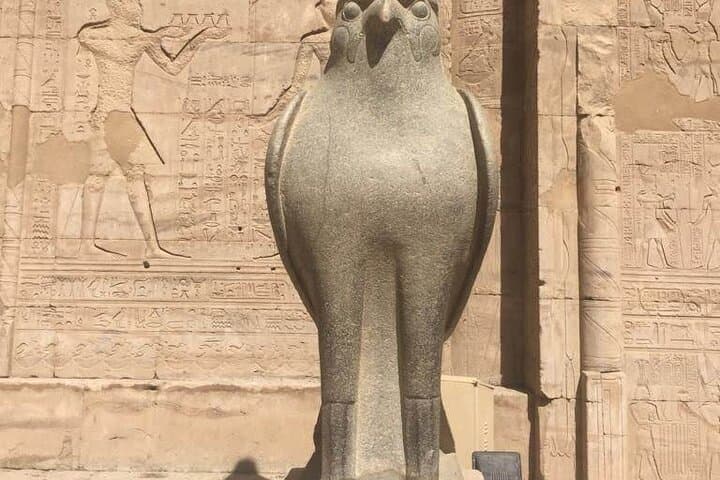
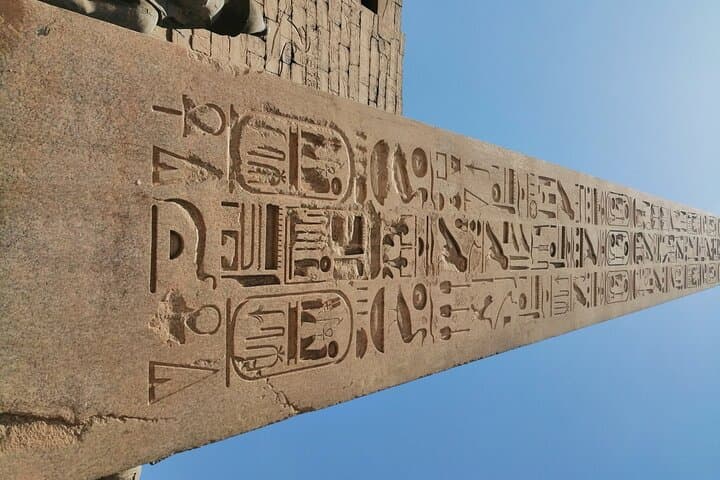
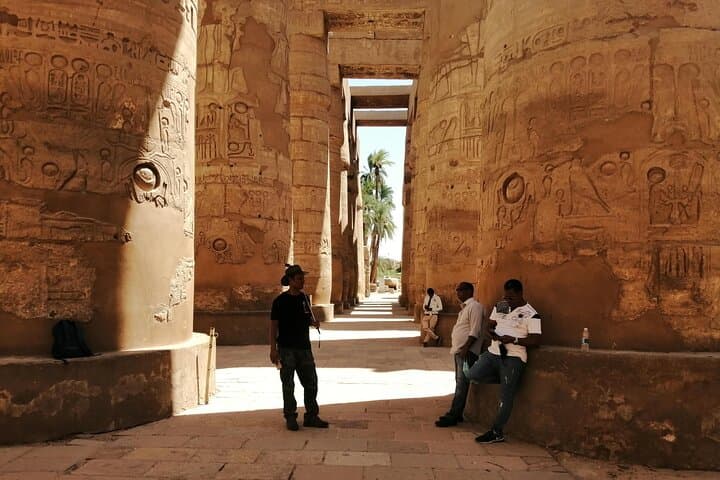
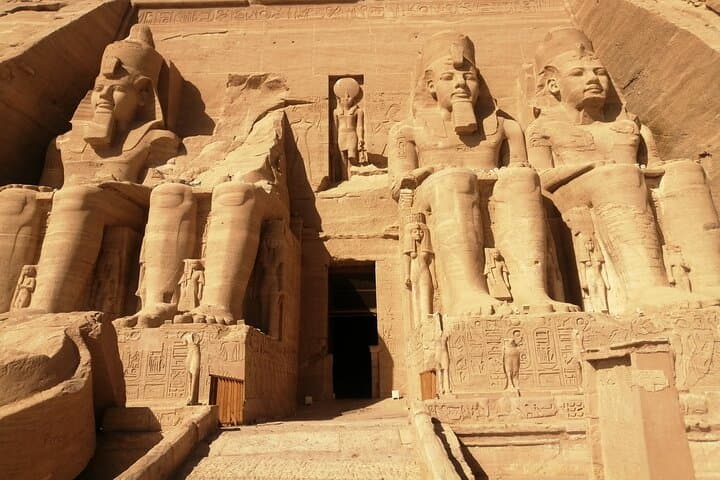
The itinerary threads through New Kingdom pharaonic power and Ptolemaic duality: Valley of the Kings’ painted burial chambers, Hatshepsut’s stepped mortuary temple carved into limestone, Karnak’s forest of papyrus columns, Edfu’s unmatched preservation of a Horus cult temple, Kom Ombo’s double sanctuary dedicated to Sobek and Haroeris, and Ramses II’s twin temples at Abu Simbel relocated above rising Lake Nasser in the 1960s.
Geology is plain: sandstone and limestone cliffs, Nile alluvium, and Aswan’s hard granite that shaped quarries and dams. Local culture centers on riverine life—fishermen, feluccas, and markets selling spices and dates—and guides with Egyptology degrees will put stones and stories in context.
Practical edge: days are long with multiple short walks on uneven stone and steps; sunscreen, a wide-brimmed hat, and sturdy walking shoes are essential. Expect early departures (Abu Simbel often requires a pre-dawn transfer), comfortable hotels in Luxor and Aswan, and enforced photography rules inside certain tombs and temples. Hydrate in small, frequent sips, carry cash for tips and small purchases, and respect dress codes at religious sites (shoulders and knees covered). With measured pacing, this circuit delivers concentrated encounters with Egypt’s most powerful monuments and the river that still pushes the country forward.
easy.
4 days (touring days typically 8–10 hours).
Suitable for most travelers who can handle several hours on foot each day and short stair climbs.
The tour lists entrance fees for the itinerary as included; confirm specifics with the operator at booking to avoid surprises.
Expect an around 3:30 AM private van transfer from Aswan to reach Abu Simbel early and avoid heat and crowds.
The operator notes suitability for all fitness levels and wheelchair-accessible options; contact them with exact accessibility needs prior to booking.
Carry Egyptian pounds for small purchases and local tips; tipping guides and drivers is customary — bring small denominations.
The route charts centuries of centralized pharaonic power and later Ptolemaic changes—many temples were adapted, expanded or doubled to reflect shifting cult and royal agendas.
Relocation of Abu Simbel during the Aswan High Dam project is a major conservation story; visitors should stick to paths and avoid flash photography in fragile interiors to limit wear.
LuxorPrivateTour operates guided outdoor trips and adventures with an emphasis on safety, stewardship, and memorable experiences.
Dawn over the Nile feels like a relay: light moves slowly down the river, ancient stone catching the first sharp angles of sun. On this four-day circuit you follow that light—from Luxor’s temple avenues and royal tombs across the river to roadside shrines at Edfu and Kom Ombo, then onward to Aswan’s granite banks and the colossal façade of Abu Simbel.
Dawn over the Nile feels like a relay: light moves slowly down the river, ancient stone catching the first sharp angles of sun. On this four-day circuit you follow that light—from Luxor’s temple avenues and royal tombs across the river to roadside shrines at Edfu and Kom Ombo, then onward to Aswan’s granite banks and the colossal façade of Abu Simbel.
The itinerary threads through New Kingdom pharaonic power and Ptolemaic duality: Valley of the Kings’ painted burial chambers, Hatshepsut’s stepped mortuary temple carved into limestone, Karnak’s forest of papyrus columns, Edfu’s unmatched preservation of a Horus cult temple, Kom Ombo’s double sanctuary dedicated to Sobek and Haroeris, and Ramses II’s twin temples at Abu Simbel relocated above rising Lake Nasser in the 1960s.
Geology is plain: sandstone and limestone cliffs, Nile alluvium, and Aswan’s hard granite that shaped quarries and dams. Local culture centers on riverine life—fishermen, feluccas, and markets selling spices and dates—and guides with Egyptology degrees will put stones and stories in context.
Practical edge: days are long with multiple short walks on uneven stone and steps; sunscreen, a wide-brimmed hat, and sturdy walking shoes are essential. Expect early departures (Abu Simbel often requires a pre-dawn transfer), comfortable hotels in Luxor and Aswan, and enforced photography rules inside certain tombs and temples. Hydrate in small, frequent sips, carry cash for tips and small purchases, and respect dress codes at religious sites (shoulders and knees covered). With measured pacing, this circuit delivers concentrated encounters with Egypt’s most powerful monuments and the river that still pushes the country forward.