THE ADVENTURE COLLECTIVE® · Independent discovery and booking for outdoor travel

Drift between Aswan and Luxor on a four-day Nile cruise that pairs on-board relaxation with guided visits to Abu Simbel, Philae, Kom Ombo, Edfu and Luxor’s temples and tombs. Expect mild daily walks, early starts to beat the heat, and concentrated encounters with pharaonic architecture.
Drift between Aswan and Luxor on a four-day Nile cruise that pairs on-board relaxation with guided visits to Abu Simbel, Philae, Kom Ombo, Edfu and Luxor’s temples and tombs. Expect mild daily walks, early starts to beat the heat, and concentrated encounters with pharaonic architecture.
You step aboard as the sun cuts a low ribbon across the Nile and the river nudges the hull northward. Palm fronds slide past the rail, village life frames the banks, and the slow, steady wake becomes the day's metronome.
Verified experiences and guided adventures in the surrounding area.
Operated by Packnfly · Aswan, Aswan Governorate
You step aboard as the sun cuts a low ribbon across the Nile and the river nudges the hull northward. Palm fronds slide past the rail, village life frames the banks, and the slow, steady wake becomes the day's metronome.
This four-day passage links two of Egypt’s greatest living museums: Aswan’s granite quarries and Philae, and Luxor’s Karnak, Luxor Temple and the Theban Necropolis. Geology here is literal—ancient hands carved obelisks from Aswan’s pink granite, and the river's annual generosity shaped the floodplain that supported pharaonic power. Culturally, an Egyptologist leads tours that layer myth, ritual and imperial ambition on each temple façade.
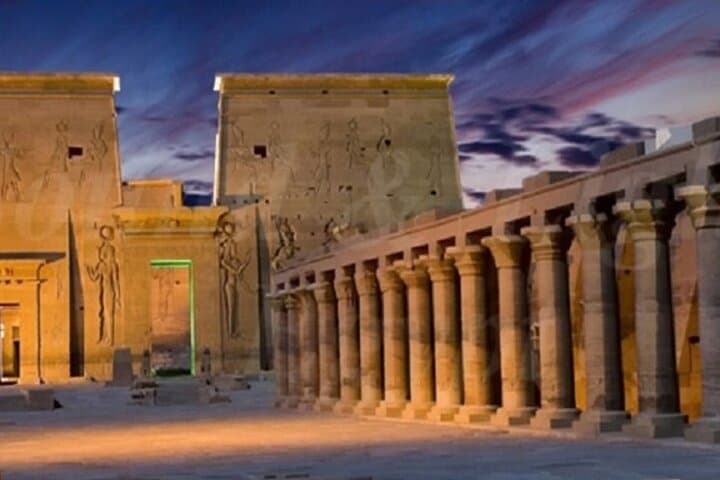
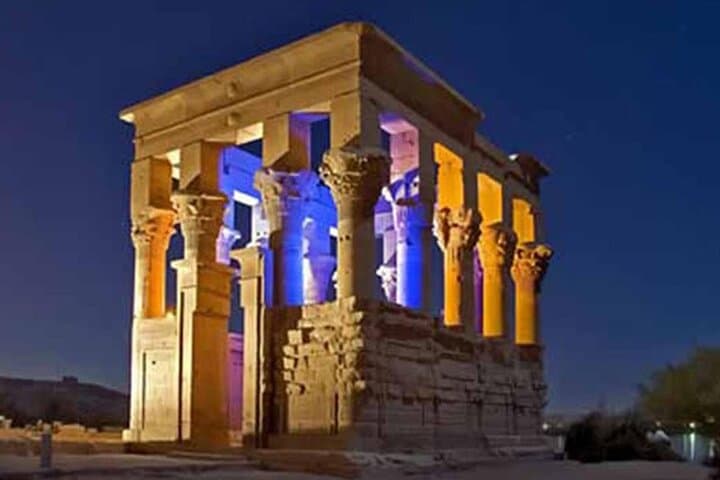
Expect contrasting moods: the engineered drama of the Aswan High Dam, the relocated elegance of Philae, the crocodile-sliced shoreline near Kom Ombo and the funerary cliffs of the Valley of the Kings. Abu Simbel—if included—delivers colossal scale, relocated in the 1960s as an engineering rescue comparable to the Philae operation.
Practical guide: packing light is rewarded—daypacks, wide-brim sun protection, and comfortable shoes for uneven stone and short tenders. Plan early starts to avoid midday heat and carry photocopies of travel documents; mobile tickets and on-board transfers are commonly used. Bring local currency for tips and small purchases; bottled water and shade are your allies.
In short, the cruise is low-effort travel with high-historic payoff: river time to read and watch banks change, and focused shore excursions that concentrate Egypt’s most iconic architecture into four immersive days.
easy.
4 days.
Suitable for most fitness levels; able to board tenders and walk 1–3 miles across uneven temple surfaces daily.
Most nationalities require a visa for Egypt—check current requirements and obtain in advance or on arrival where applicable.
The itinerary includes Abu Simbel; transfers are typically by air-conditioned vehicle or arranged coach/tour depending on the operator’s plan.
Excursions involve moderate walking on uneven ancient stone and steps; no technical ability is required but comfortable mobility helps.
Carry some Egyptian pounds for tips and small purchases; major cards are accepted in larger towns but cash is useful for local vendors.
The route traces millennia of civilization: Aswan supplied pink granite for obelisks and Philae was relocated by UNESCO when the Aswan High Dam raised the river.
The Nile’s ecology is sensitive—minimize plastic waste, follow guide instructions at heritage sites, and support local conservation-focused operators.
Packnfly operates guided outdoor trips and adventures with an emphasis on safety, stewardship, and memorable experiences.

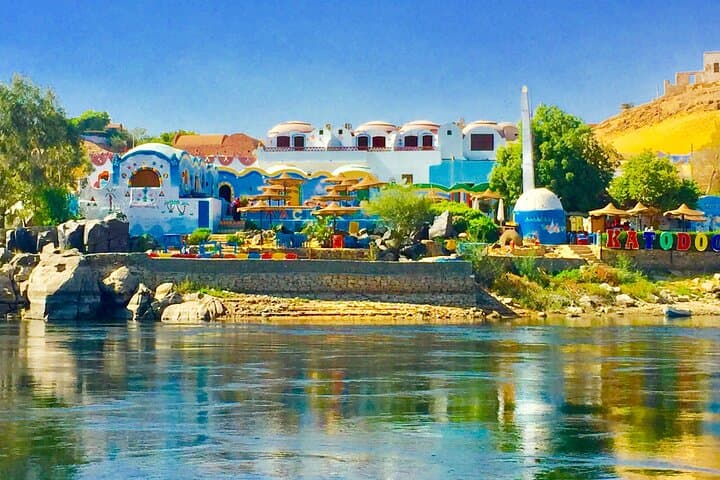
You step aboard as the sun cuts a low ribbon across the Nile and the river nudges the hull northward. Palm fronds slide past the rail, village life frames the banks, and the slow, steady wake becomes the day's metronome.
You step aboard as the sun cuts a low ribbon across the Nile and the river nudges the hull northward. Palm fronds slide past the rail, village life frames the banks, and the slow, steady wake becomes the day's metronome.
This four-day passage links two of Egypt’s greatest living museums: Aswan’s granite quarries and Philae, and Luxor’s Karnak, Luxor Temple and the Theban Necropolis. Geology here is literal—ancient hands carved obelisks from Aswan’s pink granite, and the river's annual generosity shaped the floodplain that supported pharaonic power. Culturally, an Egyptologist leads tours that layer myth, ritual and imperial ambition on each temple façade.
Expect contrasting moods: the engineered drama of the Aswan High Dam, the relocated elegance of Philae, the crocodile-sliced shoreline near Kom Ombo and the funerary cliffs of the Valley of the Kings. Abu Simbel—if included—delivers colossal scale, relocated in the 1960s as an engineering rescue comparable to the Philae operation.
Practical guide: packing light is rewarded—daypacks, wide-brim sun protection, and comfortable shoes for uneven stone and short tenders. Plan early starts to avoid midday heat and carry photocopies of travel documents; mobile tickets and on-board transfers are commonly used. Bring local currency for tips and small purchases; bottled water and shade are your allies.
In short, the cruise is low-effort travel with high-historic payoff: river time to read and watch banks change, and focused shore excursions that concentrate Egypt’s most iconic architecture into four immersive days.