THE ADVENTURE COLLECTIVE® · Independent discovery and booking for outdoor travel

A four-day ascent of Mount Meru threads savanna, montane forest, and wind-swept ridges to reach Socialist Peak at ~4,550 m. This quieter alternative to Kilimanjaro blends wildlife sightings with serious altitude gain—ideal for fit hikers seeking a technically straightforward but physically demanding climb.
A four-day ascent of Mount Meru threads savanna, montane forest, and wind-swept ridges to reach Socialist Peak at ~4,550 m. This quieter alternative to Kilimanjaro blends wildlife sightings with serious altitude gain—ideal for fit hikers seeking a technically straightforward but physically demanding climb.
When the headlamp clicks off at 2 a.m. and the ridge goes black, the mountain becomes a shape you follow rather than see. The trail up Mount Meru starts in the warm, animal-scented savanna of Arusha National Park, threads into moss-draped montane forest, and then opens into high, wind-scoured alpine terraces. Over four days the route climbs roughly 2,200–2,400 meters from trailhead to Socialist Peak (about 4,550 m), trading tall grasses and acacia for heather and volcanic scree as you go.
Verified experiences and guided adventures in the surrounding area.
Operated by Kili Footprints · Arusha, Arusha Region
When the headlamp clicks off at 2 a.m. and the ridge goes black, the mountain becomes a shape you follow rather than see. The trail up Mount Meru starts in the warm, animal-scented savanna of Arusha National Park, threads into moss-draped montane forest, and then opens into high, wind-scoured alpine terraces. Over four days the route climbs roughly 2,200–2,400 meters from trailhead to Socialist Peak (about 4,550 m), trading tall grasses and acacia for heather and volcanic scree as you go.
Meru is a broad dormant volcano carved by ancient eruptions and erosion; its caldera and ash cone are textbook geology, a living cross section of East Africa’s volcanic arc. The mountain sits inside Arusha National Park, created to protect the crater, the wildlife that visits its watering holes, and the corridor between the highlands and the plains. For local Maasai and Meru communities the slopes are part of a landscape of grazing and seasonal movement—climbs here touch both natural history and human stories.
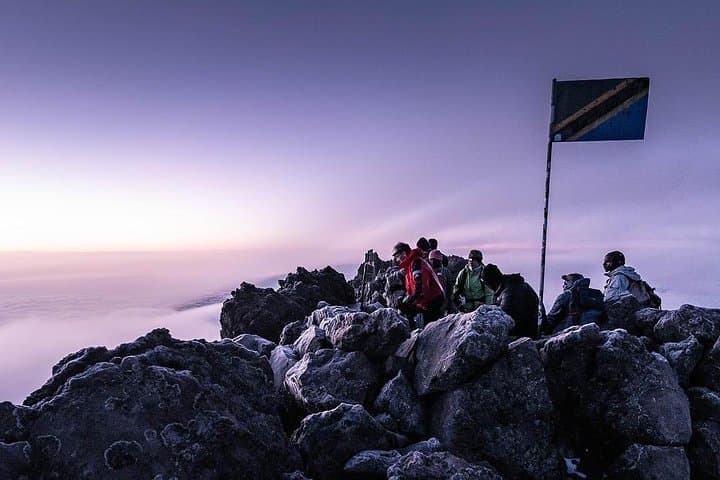
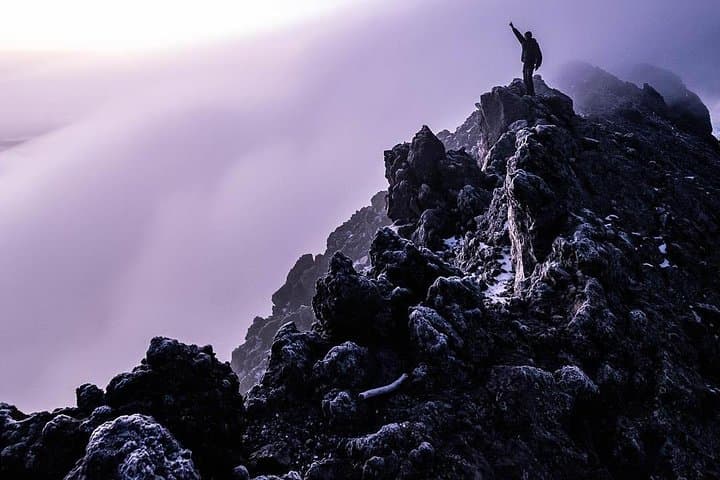
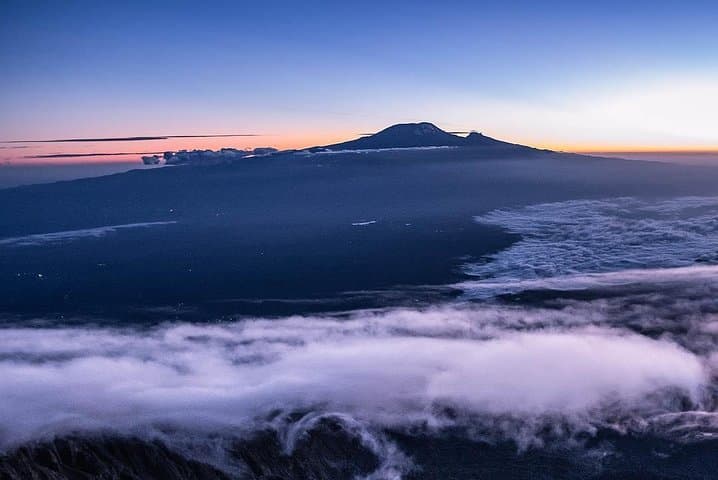
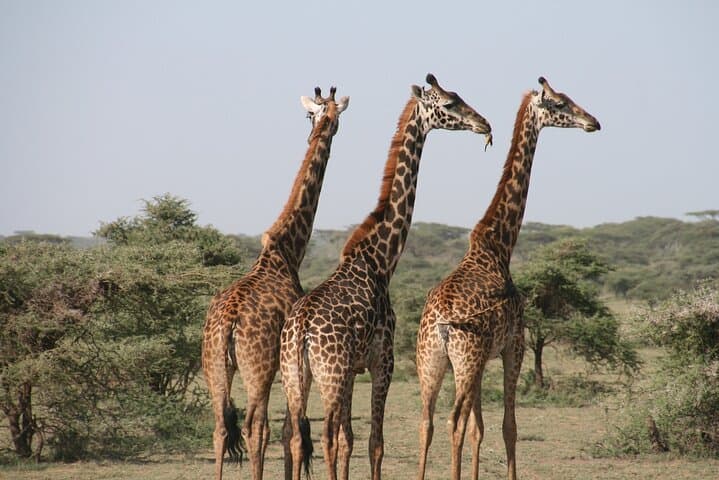
Day 1 leads to Miriakamba Hut at about 2,590 m after 4–5 hours of mixed savanna and forest walking, where you might pause for a tea and scan for buffalo or giraffe at the lower watering holes. Day 2 climbs to Saddle Camp with clearer views of Meru’s ash cone and a side hike to Little Meru. The summit push begins around 2 a.m. on Day 3 along the exposed North Ridge; the final ridge is steep, rocky and requires consistent pacing—expect 8–10 hours round-trip from Saddle. The last morning’s sunrise from Socialist Peak, when clouds sit like a slow sea below your feet, is the payoff.
Practical edge: the trail alternates packed dirt, muddy forest sections, and loose volcanic scree—sturdy, broken-in boots and walking poles make a measurable difference. Night temperatures and high-altitude winds demand layered clothing. Hydrate early and often; acclimatize by taking the slower rhythms offered in the itinerary—this route is long on altitude gain and short on technical climbing, but high altitude will tax even fit hikers. Porters and guides manage camp logistics and permit fees; factor tips and hut fees into your budget.
Timing: the best windows are the dry months (June–October and late December–February) when trails firm up and visibility improves. Expect cellular blackouts and bring a headlamp with spare batteries; medical evacuation is remote and costly, so disclose health conditions and carry altitude medication if advised.
Mount Meru is quieter than Kilimanjaro but every bit as demanding in its own way—less crowded, more wildlife, and an honest mountain that rewards steady feet and calm planning.
challenging.
4 days.
Strong aerobic fitness and prior multi-day trekking experience recommended; expect long days and significant altitude gain.
No technical gear or ropes are required—this is a strenuous trek rather than a technical climb, but good boots and poles are important.
Porters usually carry most personal gear; plan to carry a 7–12 kg daypack with water, layers, snacks, and essentials.
Temperatures can drop below freezing on the summit at night and with wind chill; prepare for sub-zero conditions on summit morning.
Permits and hut fees are typically handled by the operator and included in the package; confirm inclusions and porter fees when booking.
Altitude sickness is possible above 3,000 m; follow the itinerary’s gradual ascent, hydrate, and inform guides of symptoms early.
Not recommended for young children—participants should have strong fitness and no serious health issues due to altitude and long hiking days.
Mount Meru is a dormant volcanic cone within Arusha National Park; its geology records eruptions that shaped the northern Tanzanian highlands, and the area has long been part of Maasai and Meru community lands.
Arusha National Park requires permits and hut fees that fund conservation; stick to trails, avoid feeding wildlife, and use park toilets where provided to reduce impact.
Kili Footprints operates guided outdoor trips and adventures with an emphasis on safety, stewardship, and memorable experiences.
When the headlamp clicks off at 2 a.m. and the ridge goes black, the mountain becomes a shape you follow rather than see. The trail up Mount Meru starts in the warm, animal-scented savanna of Arusha National Park, threads into moss-draped montane forest, and then opens into high, wind-scoured alpine terraces. Over four days the route climbs roughly 2,200–2,400 meters from trailhead to Socialist Peak (about 4,550 m), trading tall grasses and acacia for heather and volcanic scree as you go.
When the headlamp clicks off at 2 a.m. and the ridge goes black, the mountain becomes a shape you follow rather than see. The trail up Mount Meru starts in the warm, animal-scented savanna of Arusha National Park, threads into moss-draped montane forest, and then opens into high, wind-scoured alpine terraces. Over four days the route climbs roughly 2,200–2,400 meters from trailhead to Socialist Peak (about 4,550 m), trading tall grasses and acacia for heather and volcanic scree as you go.
Meru is a broad dormant volcano carved by ancient eruptions and erosion; its caldera and ash cone are textbook geology, a living cross section of East Africa’s volcanic arc. The mountain sits inside Arusha National Park, created to protect the crater, the wildlife that visits its watering holes, and the corridor between the highlands and the plains. For local Maasai and Meru communities the slopes are part of a landscape of grazing and seasonal movement—climbs here touch both natural history and human stories.
Day 1 leads to Miriakamba Hut at about 2,590 m after 4–5 hours of mixed savanna and forest walking, where you might pause for a tea and scan for buffalo or giraffe at the lower watering holes. Day 2 climbs to Saddle Camp with clearer views of Meru’s ash cone and a side hike to Little Meru. The summit push begins around 2 a.m. on Day 3 along the exposed North Ridge; the final ridge is steep, rocky and requires consistent pacing—expect 8–10 hours round-trip from Saddle. The last morning’s sunrise from Socialist Peak, when clouds sit like a slow sea below your feet, is the payoff.
Practical edge: the trail alternates packed dirt, muddy forest sections, and loose volcanic scree—sturdy, broken-in boots and walking poles make a measurable difference. Night temperatures and high-altitude winds demand layered clothing. Hydrate early and often; acclimatize by taking the slower rhythms offered in the itinerary—this route is long on altitude gain and short on technical climbing, but high altitude will tax even fit hikers. Porters and guides manage camp logistics and permit fees; factor tips and hut fees into your budget.
Timing: the best windows are the dry months (June–October and late December–February) when trails firm up and visibility improves. Expect cellular blackouts and bring a headlamp with spare batteries; medical evacuation is remote and costly, so disclose health conditions and carry altitude medication if advised.
Mount Meru is quieter than Kilimanjaro but every bit as demanding in its own way—less crowded, more wildlife, and an honest mountain that rewards steady feet and calm planning.