THE ADVENTURE COLLECTIVE® · Independent discovery and booking for outdoor travel

Fly between Cairo, Aswan and Luxor to see Abu Simbel, Karnak, Luxor Temple and the Valley of the Kings in four days. Early starts, short internal flights and guided visits maximize time at the monuments—bring sun protection and comfortable shoes.
Fly between Cairo, Aswan and Luxor to see Abu Simbel, Karnak, Luxor Temple and the Valley of the Kings in four days. Early starts, short internal flights and guided visits maximize time at the monuments—bring sun protection and comfortable shoes.
Morning light cuts a clean line across the Nile as you step from an air-conditioned minivan into the sweep of stone and shadow—colossal faces of Ramses II staring down centuries of river traffic. This four-day itinerary threads Cairo, Aswan, Abu Simbel and Luxor by short internal flights and road transfers, trading long drives for full-site time and sunrise light.
Verified experiences and guided adventures in the surrounding area.
Operated by Marsa Alam Tours · Luxor, Luxor Governorate
Morning light cuts a clean line across the Nile as you step from an air-conditioned minivan into the sweep of stone and shadow—colossal faces of Ramses II staring down centuries of river traffic. This four-day itinerary threads Cairo, Aswan, Abu Simbel and Luxor by short internal flights and road transfers, trading long drives for full-site time and sunrise light.
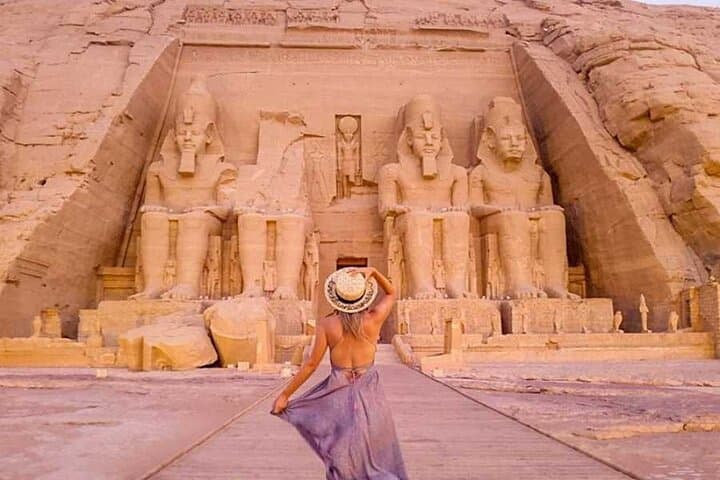
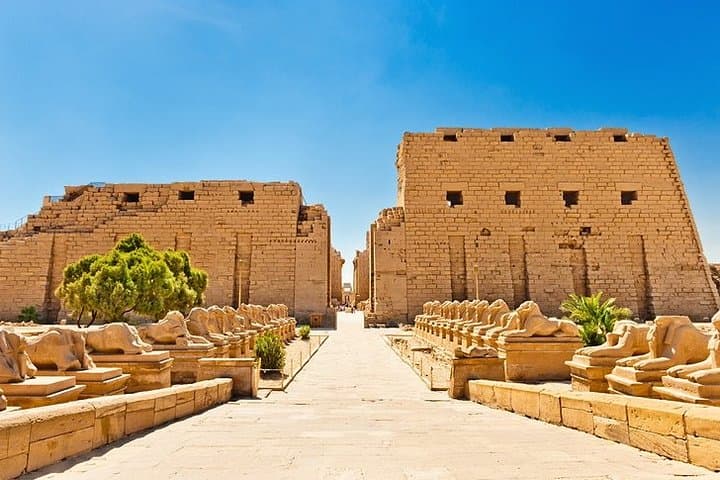
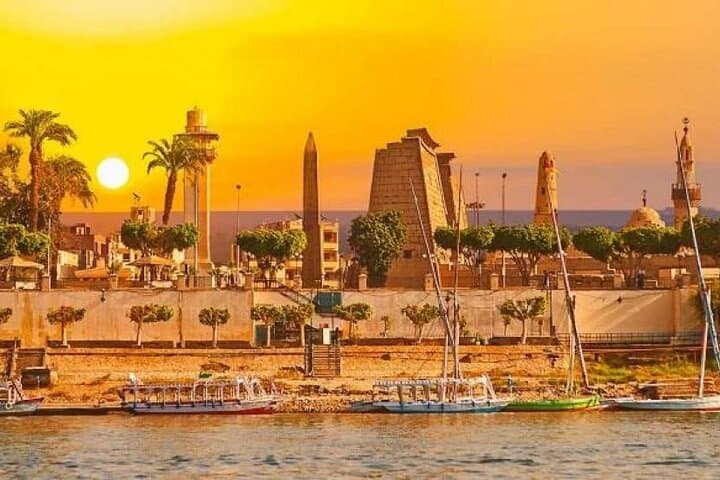
These sites belong to Egypt’s long, practical history: temples carved into sandstone and granite, tombs hewn below the desert floor, and the modern engineering of the Aswan High Dam that reshaped the river and the region. Abu Simbel’s twin temples were cut from a cliff in the 13th century BC and—famously—moved stone by stone during the 1960s to avoid Lake Nasser’s rising waters. Karnak and Luxor show successive generations of pharaohs reiterating power through pylons and hypostyle halls, while the Valley of the Kings opens onto painted burial chambers of the New Kingdom.
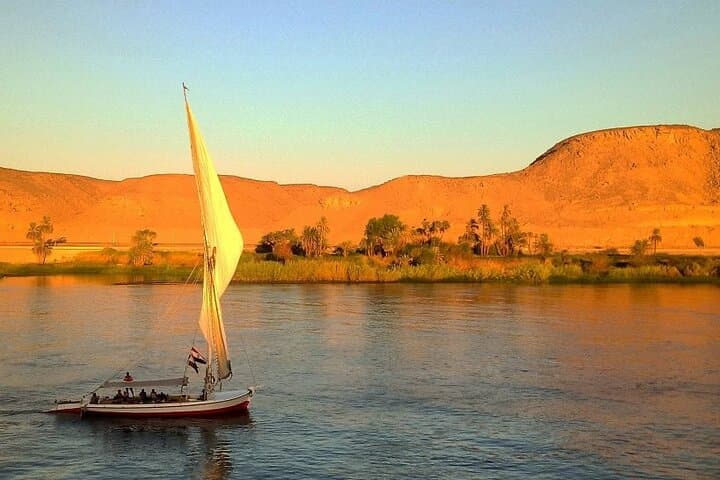
Expect uneven stone, low doorways, and staircases rather than ramps; the river and felucca sails provide a softer counterpoint as you glide past palm-lined islands. Culturally, encounters with Nubian neighborhoods and local markets give texture between monuments.
Practical essentials: start early for Abu Simbel to avoid heat, carry sun protection and at least 2L water per day, and wear sturdy shoes with good grip. Keep passports handy for site tickets, plan for midday rests, and budget small cash for tips and local purchases. This trip pairs high-impact archaeology with manageable logistics—great light, big stone, and straightforward planning.
easy.
4 days.
Suitable for travelers in general good health who can walk short distances and climb stairs; minimal sustained exertion.
The tour typically includes domestic flights (Cairo–Aswan–Luxor–Cairo), listed accommodations (two nights at Nile Palace Luxor, one at Aswan Obelisk Hotel), lunches, bottled water, private transfers, and a professional guide—confirm specific inclusions on booking.
Walking is moderate: expect short walks across temple complexes, staircases into tombs, and some uneven surfaces; most days are not strenuous but require mobility and comfortable footwear.
Abu Simbel is reachable by early morning transfer from Aswan; the site involves steps and open-air approaches, with guided visits typically timed to avoid peak heat—allow several hours including transportation time from Aswan.
Visa requirements vary by nationality—check your embassy or consulate before travel. No special vaccinations are universally mandated, but be up to date on routine immunizations and consult a travel clinic for personalized advice.
The temples and tombs date mainly to Egypt’s New Kingdom (16th–11th centuries BC); Abu Simbel was relocated in the 1960s to save it from Lake Nasser after the Aswan High Dam was built.
The relocation of Abu Simbel is a landmark UNESCO conservation effort; visitors should minimize impact by staying on paths, avoiding flash photography where restricted, and respecting site regulations.
Marsa Alam Tours operates guided outdoor trips and adventures with an emphasis on safety, stewardship, and memorable experiences.
Morning light cuts a clean line across the Nile as you step from an air-conditioned minivan into the sweep of stone and shadow—colossal faces of Ramses II staring down centuries of river traffic. This four-day itinerary threads Cairo, Aswan, Abu Simbel and Luxor by short internal flights and road transfers, trading long drives for full-site time and sunrise light.
Morning light cuts a clean line across the Nile as you step from an air-conditioned minivan into the sweep of stone and shadow—colossal faces of Ramses II staring down centuries of river traffic. This four-day itinerary threads Cairo, Aswan, Abu Simbel and Luxor by short internal flights and road transfers, trading long drives for full-site time and sunrise light.
These sites belong to Egypt’s long, practical history: temples carved into sandstone and granite, tombs hewn below the desert floor, and the modern engineering of the Aswan High Dam that reshaped the river and the region. Abu Simbel’s twin temples were cut from a cliff in the 13th century BC and—famously—moved stone by stone during the 1960s to avoid Lake Nasser’s rising waters. Karnak and Luxor show successive generations of pharaohs reiterating power through pylons and hypostyle halls, while the Valley of the Kings opens onto painted burial chambers of the New Kingdom.
Expect uneven stone, low doorways, and staircases rather than ramps; the river and felucca sails provide a softer counterpoint as you glide past palm-lined islands. Culturally, encounters with Nubian neighborhoods and local markets give texture between monuments.
Practical essentials: start early for Abu Simbel to avoid heat, carry sun protection and at least 2L water per day, and wear sturdy shoes with good grip. Keep passports handy for site tickets, plan for midday rests, and budget small cash for tips and local purchases. This trip pairs high-impact archaeology with manageable logistics—great light, big stone, and straightforward planning.