THE ADVENTURE COLLECTIVE® · Independent discovery and booking for outdoor travel

A four‑day trek along the original Inca Trail moves from high Andean passes to cloud-forested ruins and finally into the Sun Gate above Machu Picchu. This guide covers what to expect—altitude, terrain, camp life—and how to prepare.
A four‑day trek along the original Inca Trail moves from high Andean passes to cloud-forested ruins and finally into the Sun Gate above Machu Picchu. This guide covers what to expect—altitude, terrain, camp life—and how to prepare.
Dawn breaks over Cusco and the bus hums toward Piscacucho (Km 82). Stones and cloud drift by as the first steps of the classic four‑day Inca Trail pull hikers into a landscape that shifts from high Andean valleys to humid cloud forest. By midmorning the trail narrows into ancient Inca stairways, and on Day 2 the route tests lungs and legs with the climb to Warmiwañusca (4,200 m), the high point that rewards effort with sweeping valley views before the steep descent into Pacaymayo.
Verified experiences and guided adventures in the surrounding area.
Operated by Peru Top Experience · Cusco, Cusco Region
Dawn breaks over Cusco and the bus hums toward Piscacucho (Km 82). Stones and cloud drift by as the first steps of the classic four‑day Inca Trail pull hikers into a landscape that shifts from high Andean valleys to humid cloud forest. By midmorning the trail narrows into ancient Inca stairways, and on Day 2 the route tests lungs and legs with the climb to Warmiwañusca (4,200 m), the high point that rewards effort with sweeping valley views before the steep descent into Pacaymayo.
This route threads living history and geology: Inca trailwork—retaining walls and stairways—follows ridgelines carved from volcanic andesites, while terraces and archaeological sites like Runkurakay and Sayacmarca reveal administrative and ceremonial waystations of the empire. Local Quechua culture remains audible in village greetings and the coca tea that helps with altitude.
Practical guidance is integral. The four‑day itinerary covers roughly 40–45 km with cumulative gains above 1,500 m; expect uneven stone steps, muddy sections in the wet season and slick descents. Acclimatize in Cusco for 48–72 hours, carry 2–3 liters of water, and use sturdy, broken‑in boots; trekking poles greatly reduce knee stress on descents.
Most operators include permits, tents, cook and porters; sleeping bags are often required. Start early each day to avoid afternoon clouds and crowds at Intipunku (Sungate) where the famous first view of Machu Picchu unfolds. Respect park rules, pack out waste where required, and plan for variable temperatures—from freezing nights at camp to warm afternoons in Aguas Calientes.
challenging.
4 days.
Good cardiovascular fitness with prior hiking experience and an ability to handle multi‑hour uphill sections at altitude
Most guided four‑day packages include the official Inca Trail permit and Machu Picchu entry; confirm before booking as permits sell out in high season.
The pass reaches about 4,200 m and involves sustained ascent over hours; acclimatization and steady pacing make it manageable for fit hikers.
Campsites have basic pit latrines; in the cloud forest sections facilities can be simple—carry hand sanitizer and biodegradable toilet paper.
Yes—licensed porters carry group equipment and allotted personal weight (usually 5–7 kg depending on operator); heavier items should be left in Cusco with the operator when possible.
The Inca Trail was a ceremonial and administrative route connecting Cusco to the sacred city of Machu Picchu, with waystations and structures that guided pilgrimages and logistics.
Visitor numbers are strictly regulated with daily permit limits and park rules to reduce erosion and protect archaeological sites; follow Leave No Trace and respect porter welfare.
Peru Top Experience operates guided outdoor trips and adventures with an emphasis on safety, stewardship, and memorable experiences.
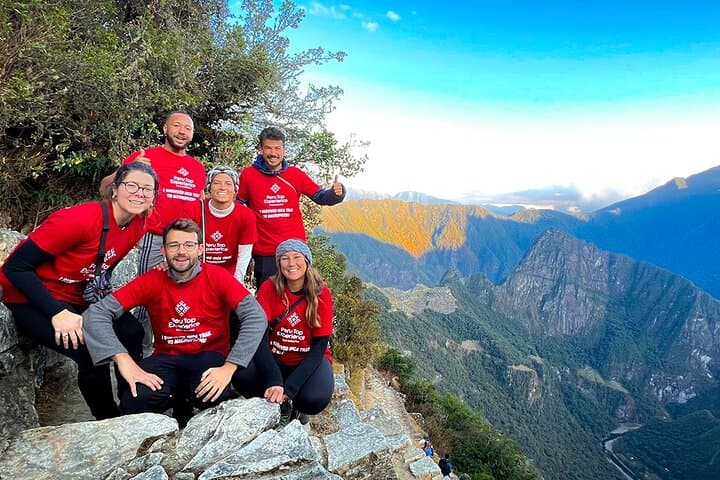
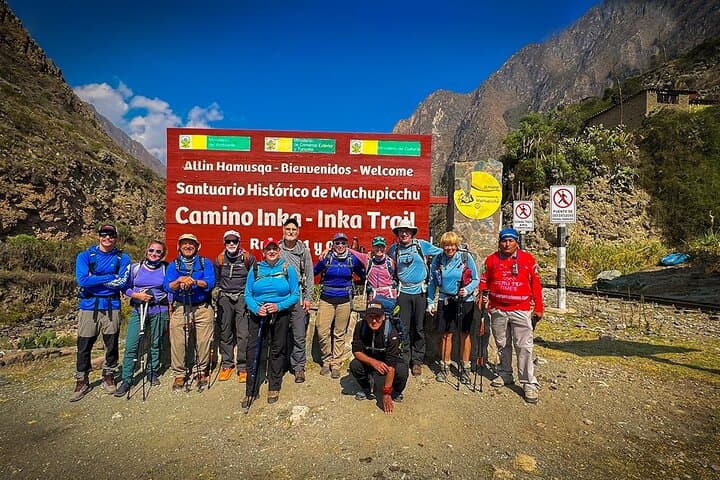
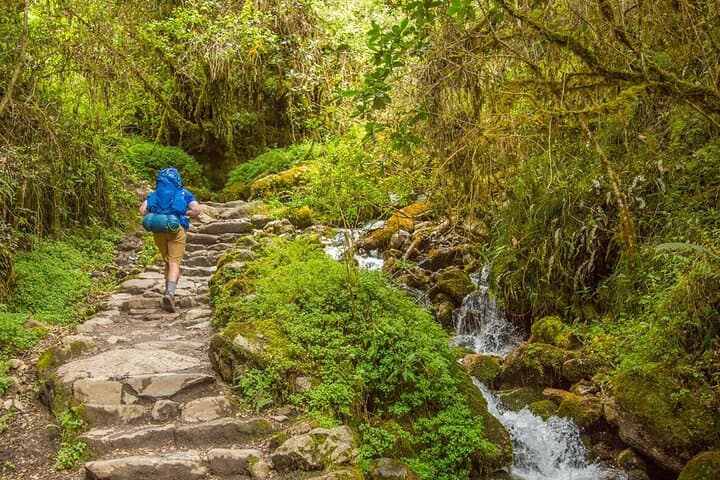
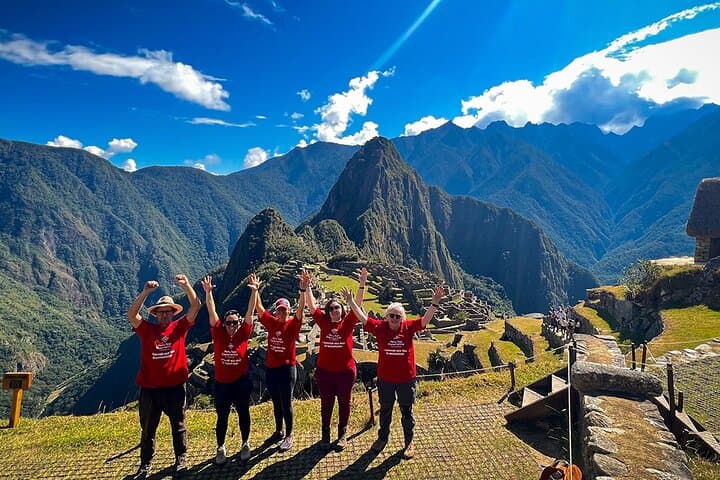
Dawn breaks over Cusco and the bus hums toward Piscacucho (Km 82). Stones and cloud drift by as the first steps of the classic four‑day Inca Trail pull hikers into a landscape that shifts from high Andean valleys to humid cloud forest. By midmorning the trail narrows into ancient Inca stairways, and on Day 2 the route tests lungs and legs with the climb to Warmiwañusca (4,200 m), the high point that rewards effort with sweeping valley views before the steep descent into Pacaymayo.
Dawn breaks over Cusco and the bus hums toward Piscacucho (Km 82). Stones and cloud drift by as the first steps of the classic four‑day Inca Trail pull hikers into a landscape that shifts from high Andean valleys to humid cloud forest. By midmorning the trail narrows into ancient Inca stairways, and on Day 2 the route tests lungs and legs with the climb to Warmiwañusca (4,200 m), the high point that rewards effort with sweeping valley views before the steep descent into Pacaymayo.
This route threads living history and geology: Inca trailwork—retaining walls and stairways—follows ridgelines carved from volcanic andesites, while terraces and archaeological sites like Runkurakay and Sayacmarca reveal administrative and ceremonial waystations of the empire. Local Quechua culture remains audible in village greetings and the coca tea that helps with altitude.
Practical guidance is integral. The four‑day itinerary covers roughly 40–45 km with cumulative gains above 1,500 m; expect uneven stone steps, muddy sections in the wet season and slick descents. Acclimatize in Cusco for 48–72 hours, carry 2–3 liters of water, and use sturdy, broken‑in boots; trekking poles greatly reduce knee stress on descents.
Most operators include permits, tents, cook and porters; sleeping bags are often required. Start early each day to avoid afternoon clouds and crowds at Intipunku (Sungate) where the famous first view of Machu Picchu unfolds. Respect park rules, pack out waste where required, and plan for variable temperatures—from freezing nights at camp to warm afternoons in Aguas Calientes.