THE ADVENTURE COLLECTIVE® · Independent discovery and booking for outdoor travel

Walk ancient Inca stonework through cloud forest to arrive at Machu Picchu via the Sun Gate. This four-day trek covers ~43 km with a 4,215 m high pass—plan for altitude, permits, and varied terrain.
Walk ancient Inca stonework through cloud forest to arrive at Machu Picchu via the Sun Gate. This four-day trek covers ~43 km with a 4,215 m high pass—plan for altitude, permits, and varied terrain.
Dawn at Km 82 smells of damp earth and fresh coca tea. You step onto narrow stone paths that climb into cloud forest, the air thinning as the trail gains altitude and the Andean peaks watch like slow-moving weather. The trail threads terraces, stepped Inca stairways, and patches of Polylepis forest until the Sun Gate opens, and Machu Picchu drops into view below.
Verified experiences and guided adventures in the surrounding area.
Operated by Peru Expeditions Tours · Cusco, Cusco
Dawn at Km 82 smells of damp earth and fresh coca tea. You step onto narrow stone paths that climb into cloud forest, the air thinning as the trail gains altitude and the Andean peaks watch like slow-moving weather. The trail threads terraces, stepped Inca stairways, and patches of Polylepis forest until the Sun Gate opens, and Machu Picchu drops into view below.
The Inca Trail follows routes used for centuries by the Quechua and their predecessors. Carved in volcanic and sedimentary rock of the Vilcabamba-Antisuyo margins, the path links high alpine passes with a biodiverse cloud forest and deep Urubamba gorge. Graves, tambos (rest stops) and agricultural terraces appear in the ruins you pass—each ruin a practical piece of the empire’s communication and spiritual network.
Expect four days and about 43 km on trail, with the high point at Dead Woman’s Pass (4,215 m) and daily sections ranging from easy "Inca flat" walking to steep stone stair ascents and descents. Nights are in tents at camps between 2,600–3,600 m; temperatures can fall sharply after sunset. Porters carry heavier loads; bring a comfortable daypack for water, layers, and camera.
Practical notes: permits sell out—book 4–6 months ahead. Acclimatize in Cusco for 2–3 days if you can. Hydrate, use sun and rain protection, and consider poles for steep sections. The payoff is cinematic: sunrise at Inti Punku and a guided, less-crowded walk through the Lost City of the Incas.
challenging.
4 days.
Good aerobic fitness with stair-climbing capability; prior hiking at altitude is strongly recommended.
The standard 4-day Inca Trail covers roughly 43 km (about 26–28 miles) with varied terrain and several steep passes.
Yes—permits are limited and issued by the Peruvian government; book through a licensed operator 4–6 months in advance.
Yes, the tour uses campsite tents with porter support; temperatures can be cold at higher altitudes, so bring an appropriate sleeping bag.
It can be—plan to acclimatize in Cusco for 48–72 hours before the trek, stay hydrated, and discuss medication with your doctor if you are prone to AMS.
The trail connects a network of Inca tambos, ceremonial sites, and agricultural terraces built for communication and pilgrimage across the empire.
Visitor limits, permit systems, and porter regulations aim to reduce impact; follow Leave No Trace practices and respect archaeological sites.
Peru Expeditions Tours operates guided outdoor trips and adventures with an emphasis on safety, stewardship, and memorable experiences.
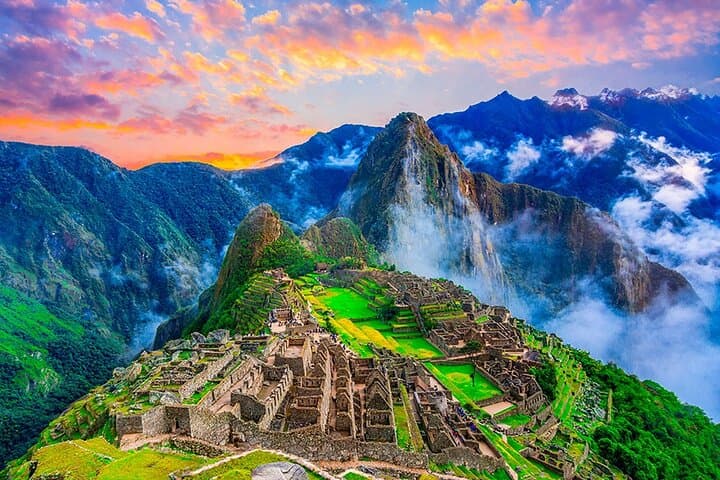
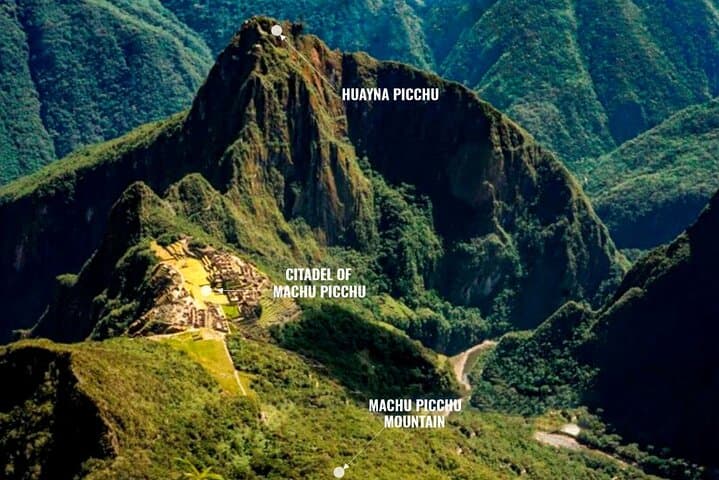
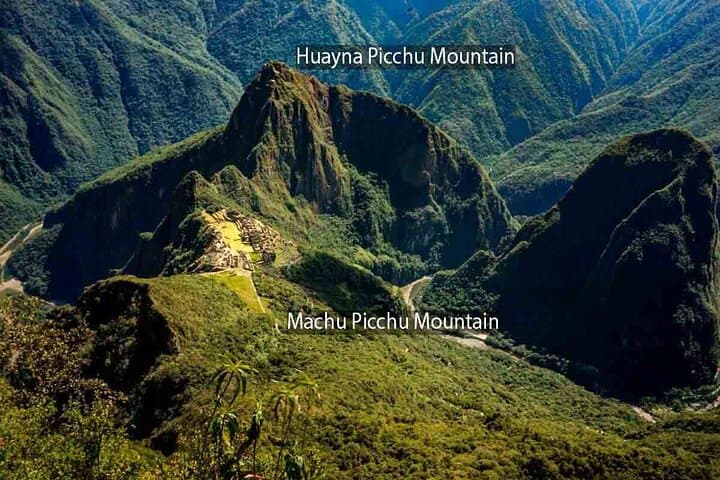
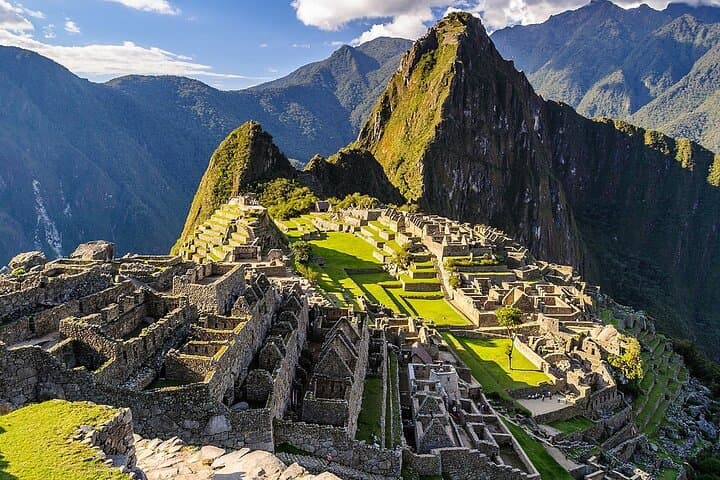
Dawn at Km 82 smells of damp earth and fresh coca tea. You step onto narrow stone paths that climb into cloud forest, the air thinning as the trail gains altitude and the Andean peaks watch like slow-moving weather. The trail threads terraces, stepped Inca stairways, and patches of Polylepis forest until the Sun Gate opens, and Machu Picchu drops into view below.
Dawn at Km 82 smells of damp earth and fresh coca tea. You step onto narrow stone paths that climb into cloud forest, the air thinning as the trail gains altitude and the Andean peaks watch like slow-moving weather. The trail threads terraces, stepped Inca stairways, and patches of Polylepis forest until the Sun Gate opens, and Machu Picchu drops into view below.
The Inca Trail follows routes used for centuries by the Quechua and their predecessors. Carved in volcanic and sedimentary rock of the Vilcabamba-Antisuyo margins, the path links high alpine passes with a biodiverse cloud forest and deep Urubamba gorge. Graves, tambos (rest stops) and agricultural terraces appear in the ruins you pass—each ruin a practical piece of the empire’s communication and spiritual network.
Expect four days and about 43 km on trail, with the high point at Dead Woman’s Pass (4,215 m) and daily sections ranging from easy "Inca flat" walking to steep stone stair ascents and descents. Nights are in tents at camps between 2,600–3,600 m; temperatures can fall sharply after sunset. Porters carry heavier loads; bring a comfortable daypack for water, layers, and camera.
Practical notes: permits sell out—book 4–6 months ahead. Acclimatize in Cusco for 2–3 days if you can. Hydrate, use sun and rain protection, and consider poles for steep sections. The payoff is cinematic: sunrise at Inti Punku and a guided, less-crowded walk through the Lost City of the Incas.