THE ADVENTURE COLLECTIVE® · Independent discovery and booking for outdoor travel

Cover Egypt’s headline sites in four busy days: Giza’s pyramids, Aswan’s river temples and dam, the relocated Abu Simbel, and Luxor’s royal necropolis. Expect early starts, hot sun, and compact travel between eras.
Cover Egypt’s headline sites in four busy days: Giza’s pyramids, Aswan’s river temples and dam, the relocated Abu Simbel, and Luxor’s royal necropolis. Expect early starts, hot sun, and compact travel between eras.
You arrive at the Giza plateau with sunlight scraping across ancient limestone; the silhouette of the Great Pyramid pins the horizon and the Sphinx watches the valley below. The city noise falls away as you step into a landscape shaped by pharaohs, river engineering and millennia of travel.
Verified experiences and guided adventures in the surrounding area.
Operated by Egypt Travel Line · Giza, Giza Governorate
You arrive at the Giza plateau with sunlight scraping across ancient limestone; the silhouette of the Great Pyramid pins the horizon and the Sphinx watches the valley below. The city noise falls away as you step into a landscape shaped by pharaohs, river engineering and millennia of travel.
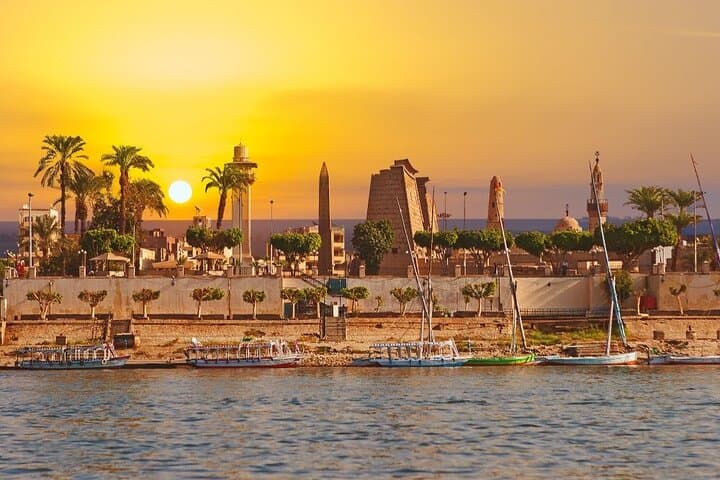
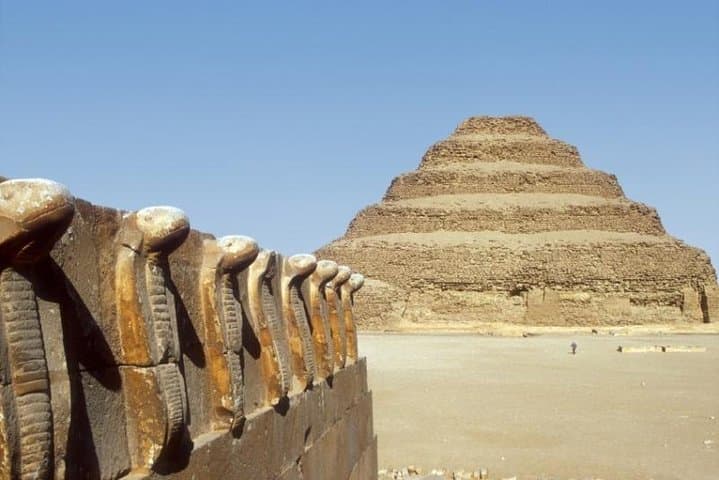
This four-day loop threads through Egypt's layered history: Old Kingdom masonry at Giza and Saqqara (the Step Pyramid rises roughly 62 meters), Pharaonic river shrines on Philae, the modern engineering of the Aswan High Dam (about 111 meters high), the relocated twin temples of Abu Simbel carved by Ramses II, and the royal tombs and avenue of Karnak and Luxor on the Nile's east and west banks. Geology here is simple but stark — exposed limestone and sandstone sculpted by wind and the Nile's ancient rhythms.
Culturally, expect active markets, Coptic and Islamic landmarks in Cairo, Nubian influences in Aswan, and the living rituals around temple sites. The tour's pace is brisk: short domestic flights and long open-air visits, with several moderate walks and stair climbs.
Practical guidance: start days early to avoid heat, carry sun protection and 2–3 liters of water, and wear sturdy walking shoes for uneven quarry paths and temple steps. Bring local currency for entrance fees, tips and small purchases; many major sites allow card payments but cash remains useful. Plan for long days and short transfers — rest between visits and prioritize shade on peak-heat hours. With basic preparation, this itinerary delivers concentrated access to Egypt's signature archaeological highlights.
moderate.
4 days.
Suitable for travelers who can walk 3–6 km per day, manage stairs and short stretches of uneven terrain.
Policies vary by operator; many tours include select admissions but travelers should confirm which tickets are included and carry cash for additional site fees.
By road it’s about 280–300 km and typically a 3–4 hour drive each way; organized excursions may use private vehicles or coach transfers.
Some sites have uneven terrain and steps; portions are wheelchair accessible (notably parts of museum spaces and modern facilities), but full access at ancient sites is limited—check specifics before booking.
October–April offers milder temperatures and more comfortable touring conditions; summer is very hot and requires early starts and strict hydration.
The route links major centers of ancient Egyptian power: Giza and Saqqara (Old Kingdom), Thebes/Luxor (New Kingdom), and Nubian border temples like Abu Simbel built by Ramses II.
Rising visitor numbers place pressure on ancient stonework and nearby ecosystems; support licensed guides, avoid touching reliefs, and prefer refillable water to reduce plastic waste.
Egypt Travel Line operates guided outdoor trips and adventures with an emphasis on safety, stewardship, and memorable experiences.
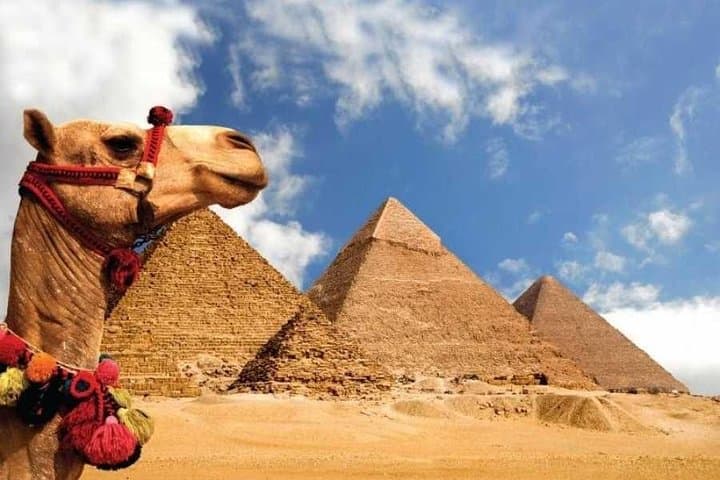
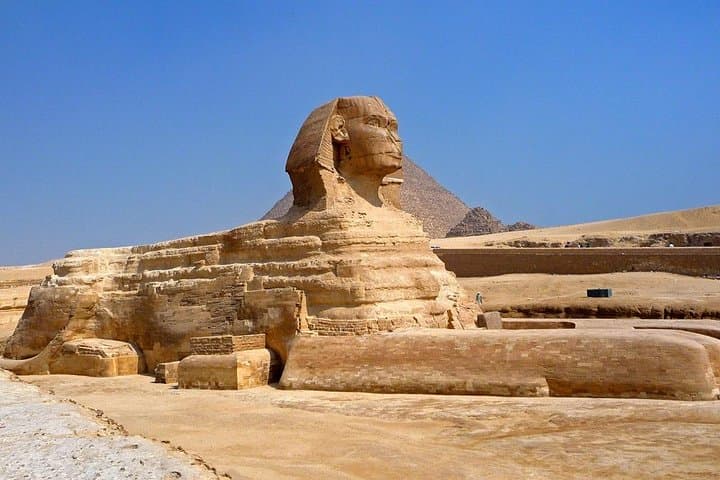
You arrive at the Giza plateau with sunlight scraping across ancient limestone; the silhouette of the Great Pyramid pins the horizon and the Sphinx watches the valley below. The city noise falls away as you step into a landscape shaped by pharaohs, river engineering and millennia of travel.
You arrive at the Giza plateau with sunlight scraping across ancient limestone; the silhouette of the Great Pyramid pins the horizon and the Sphinx watches the valley below. The city noise falls away as you step into a landscape shaped by pharaohs, river engineering and millennia of travel.
This four-day loop threads through Egypt's layered history: Old Kingdom masonry at Giza and Saqqara (the Step Pyramid rises roughly 62 meters), Pharaonic river shrines on Philae, the modern engineering of the Aswan High Dam (about 111 meters high), the relocated twin temples of Abu Simbel carved by Ramses II, and the royal tombs and avenue of Karnak and Luxor on the Nile's east and west banks. Geology here is simple but stark — exposed limestone and sandstone sculpted by wind and the Nile's ancient rhythms.
Culturally, expect active markets, Coptic and Islamic landmarks in Cairo, Nubian influences in Aswan, and the living rituals around temple sites. The tour's pace is brisk: short domestic flights and long open-air visits, with several moderate walks and stair climbs.
Practical guidance: start days early to avoid heat, carry sun protection and 2–3 liters of water, and wear sturdy walking shoes for uneven quarry paths and temple steps. Bring local currency for entrance fees, tips and small purchases; many major sites allow card payments but cash remains useful. Plan for long days and short transfers — rest between visits and prioritize shade on peak-heat hours. With basic preparation, this itinerary delivers concentrated access to Egypt's signature archaeological highlights.