THE ADVENTURE COLLECTIVE® · Independent discovery and booking for outdoor travel

Spend two hours splitting 500-million-year-old shale in a guided trilobite dig just west of Delta, Utah. This hands-on quarry access pairs expert instruction with the real possibility of finding museum-quality fossils.
Spend two hours splitting 500-million-year-old shale in a guided trilobite dig just west of Delta, Utah. This hands-on quarry access pairs expert instruction with the real possibility of finding museum-quality fossils.
A wind-salted valley unfolds as you step from the vehicle: low, folded ridges of gray shale stretch toward the House Range, and the ground underfoot crunches with the sharp taste of ancient sea-floor. In this two-hour quarry access, visitors trade sidewalks for sediment layers laid down some 500 million years ago, prying and sifting for unmistakable trilobite fragments under instructor guidance.
Verified experiences and guided adventures in the surrounding area.
Operated by U-Dig Fossils · Delta, Utah
A wind-salted valley unfolds as you step from the vehicle: low, folded ridges of gray shale stretch toward the House Range, and the ground underfoot crunches with the sharp taste of ancient sea-floor. In this two-hour quarry access, visitors trade sidewalks for sediment layers laid down some 500 million years ago, prying and sifting for unmistakable trilobite fragments under instructor guidance.
The rocks here are Cambrian shale — compacted mud from an inland sea that once teemed with early marine life. Paleontologically rich, the formation has produced museum-quality specimens and has helped define how scientists read early animal evolution. Local culture around Delta and Millard County is quietly shaped by mining and ranching; stop in town afterward to see interpretive displays and talk to locals who know the landscape’s rhythms.
Expect guided instruction, basic hand tools provided, and clear boundaries where collecting is permitted. Terrain is uneven shale benches and loose scree; digging is mostly surface-level splitting and sifting rather than deep excavation. The experience rewards patience and an eye for subtle ridges and segmented fossils.
Practical guidance: wear sturdy boots with good ankle support, bring sun protection and at least 1 liter of water, and plan for midday heat in summer. Service animals are allowed, but the site is not recommended for those with serious heart conditions. Cancellation policy typically requires 24+ hours for a full refund. For first-time collectors, focus on technique: split thin layers gently and check both faces of each piece — the next slab may hold a complete specimen.
easy.
2 hours.
Suitable for most fitness levels; requires short walks over uneven ground and light manual work when splitting shale.
Yes — within the permitted collecting area and subject to site rules; the operator provides guidance on what’s allowed to collect.
Basic hand tools for splitting shale and a small bag for finds are included with admission; you may bring personal gloves or eye protection if preferred.
The activity is family-friendly but involves uneven, slippery shale benches; supervision for children is required and those with significant mobility limitations may find parts challenging.
The operator may cancel for adverse weather—check the 24-hour cancellation policy; bring layered clothing in variable seasons and seek shelter if storms appear.
The shale deposits exposed here are Cambrian in age (roughly 500 million years old) and have been a focus for paleontologists studying early marine ecosystems.
Collecting is allowed only in designated areas to protect scientifically valuable outcrops; follow leave-no-trace principles and pack out trash and extra matrix.
U-Dig Fossils operates guided outdoor trips and adventures with an emphasis on safety, stewardship, and memorable experiences.
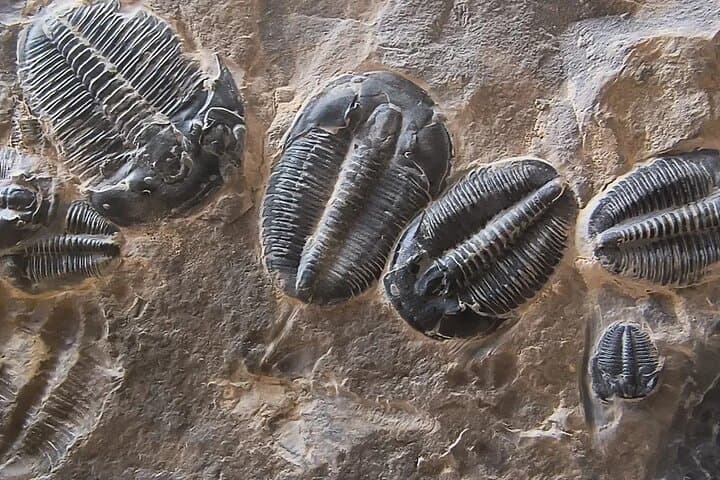
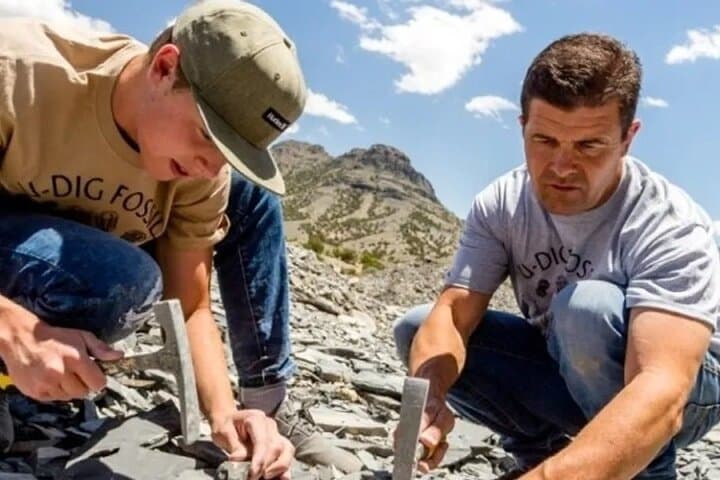
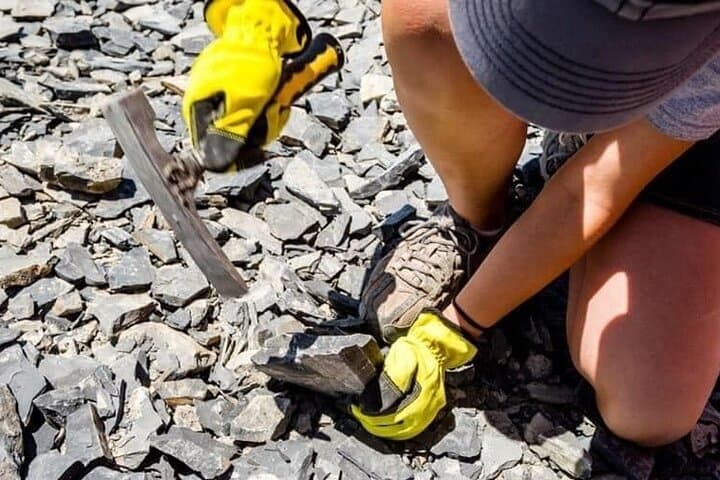
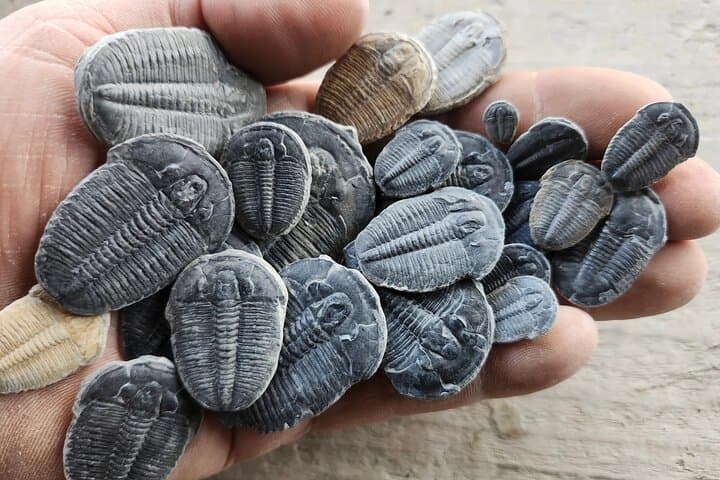
A wind-salted valley unfolds as you step from the vehicle: low, folded ridges of gray shale stretch toward the House Range, and the ground underfoot crunches with the sharp taste of ancient sea-floor. In this two-hour quarry access, visitors trade sidewalks for sediment layers laid down some 500 million years ago, prying and sifting for unmistakable trilobite fragments under instructor guidance.
A wind-salted valley unfolds as you step from the vehicle: low, folded ridges of gray shale stretch toward the House Range, and the ground underfoot crunches with the sharp taste of ancient sea-floor. In this two-hour quarry access, visitors trade sidewalks for sediment layers laid down some 500 million years ago, prying and sifting for unmistakable trilobite fragments under instructor guidance.
The rocks here are Cambrian shale — compacted mud from an inland sea that once teemed with early marine life. Paleontologically rich, the formation has produced museum-quality specimens and has helped define how scientists read early animal evolution. Local culture around Delta and Millard County is quietly shaped by mining and ranching; stop in town afterward to see interpretive displays and talk to locals who know the landscape’s rhythms.
Expect guided instruction, basic hand tools provided, and clear boundaries where collecting is permitted. Terrain is uneven shale benches and loose scree; digging is mostly surface-level splitting and sifting rather than deep excavation. The experience rewards patience and an eye for subtle ridges and segmented fossils.
Practical guidance: wear sturdy boots with good ankle support, bring sun protection and at least 1 liter of water, and plan for midday heat in summer. Service animals are allowed, but the site is not recommended for those with serious heart conditions. Cancellation policy typically requires 24+ hours for a full refund. For first-time collectors, focus on technique: split thin layers gently and check both faces of each piece — the next slab may hold a complete specimen.