THE ADVENTURE COLLECTIVE® · Independent discovery and booking for outdoor travel

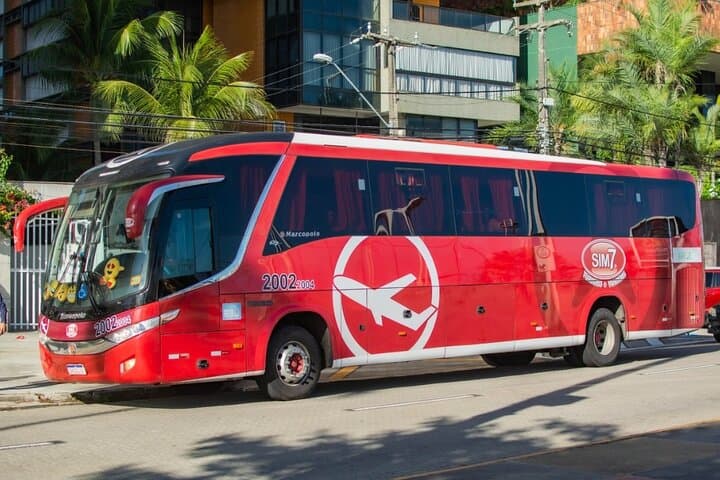
Skip the 4x4 scramble and take a comfortable shuttle from Fortaleza to Jericoacoara. This round-trip transfer combines practical door-to-door service with a front-row view of Ceará’s dune-carved coastline.
Skip the 4x4 scramble and take a comfortable shuttle from Fortaleza to Jericoacoara. This round-trip transfer combines practical door-to-door service with a front-row view of Ceará’s dune-carved coastline.
The road from Fortaleza unwinds into big sky and low dunes until the village of Jericoacoara appears like a gathering of palms and colorful pousadas on the edge of a national park. Passengers trade urban noise for the hiss of sand and the occasional staccato of windsurfers rigging on the bay; the landscape opens in stages — coastal scrub, salt flats, and the broad white shoulders of dunes that lead to the sea.
Verified experiences and guided adventures in the surrounding area.
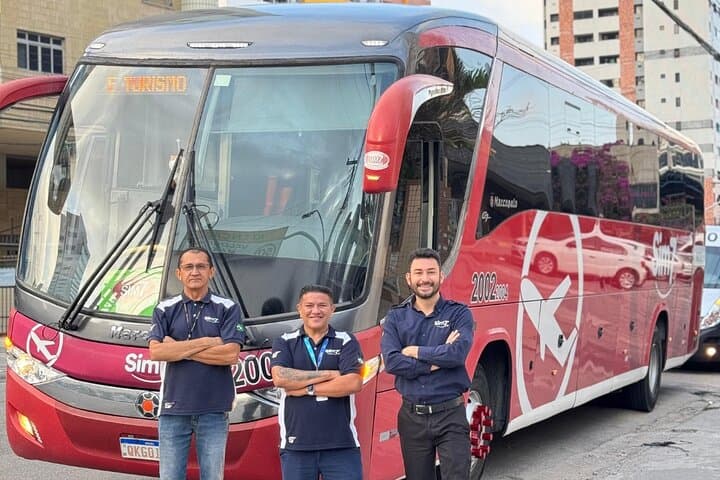
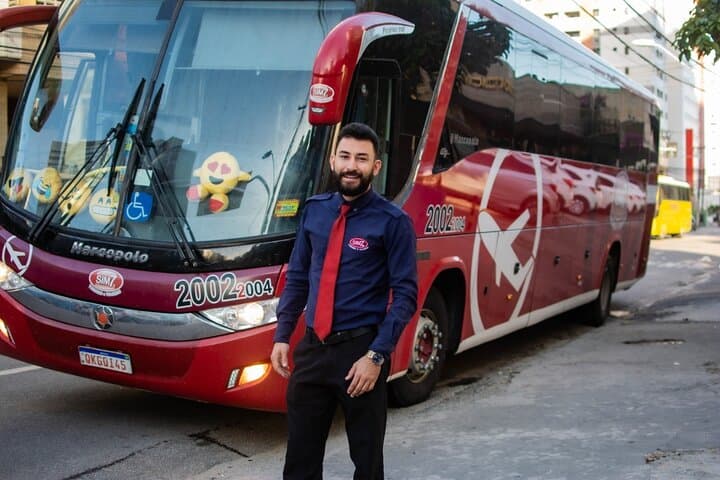
Operated by SIM7 Turismo · Jericoacoara, Ceará
The road from Fortaleza unwinds into big sky and low dunes until the village of Jericoacoara appears like a gathering of palms and colorful pousadas on the edge of a national park. Passengers trade urban noise for the hiss of sand and the occasional staccato of windsurfers rigging on the bay; the landscape opens in stages — coastal scrub, salt flats, and the broad white shoulders of dunes that lead to the sea.
Jericoacoara sits on Ceará’s western coastline and the area was only accessible by rough tracks until tourism growth in the late 20th century brought regular shuttle services. Geologically, the region is recent coastal sediment — wind-shaped dunes over a limestone and sandstone foundation — and features attractions like Pedra Furada, an eroded coastal arch that frames sunset photos. Local culture mixes small-scale fishing, artisan crafts, and a growing surf and kitesurf scene that drives seasonal rhythms.
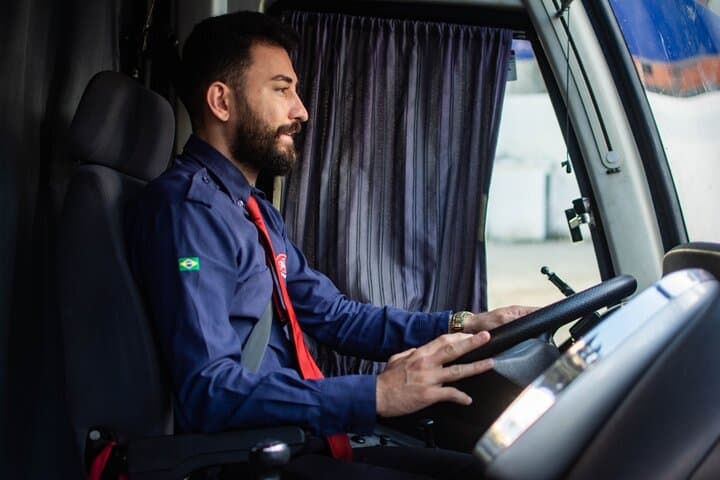
Practically, expect a multi-hour road transfer that often includes paved highway followed by sandy or corrugated road segments into the park; many shuttles provide reclining seats, air conditioning, and a guide who handles park entry formalities. Bring sun protection, a refillable water bottle, and a small soft bag for the final dune crossing where luggage limits apply. Timings vary with tides and road conditions — plan flexibly and allow extra time for return connections.
This transfer is straightforward logistics that also serves as an introduction to Jeri’s stark, wind-shaped coast: comfortable transport that puts the dunes and waves within reach of anyone visiting Ceará.
easy.
5–7 hours.
Suitable for most travelers; should be comfortable sitting for several hours and able to board a van with occasional sandy steps.
Typical door-to-door transfers take about 5–7 hours depending on traffic, road conditions and final dune entry procedures.
Most organized shuttles include coordination for access to Jericoacoara National Park and drop-off at town accommodations.
Large hard-shell suitcases may be restricted during the last leg across dunes; a soft bag is recommended for ease of handling.
Yes — drivers normally schedule brief restroom and snack stops, but frequency depends on the chosen route and operator.
Jericoacoara remained a small fishing community until the 1970s; limited access preserved local traditions even as tourism later expanded.
Jericoacoara is within a national park; visitors should stick to marked paths, avoid driving on dunes, and respect local wildlife to minimize erosion and habitat disturbance.
SIM7 Turismo operates guided outdoor trips and adventures with an emphasis on safety, stewardship, and memorable experiences.
The road from Fortaleza unwinds into big sky and low dunes until the village of Jericoacoara appears like a gathering of palms and colorful pousadas on the edge of a national park. Passengers trade urban noise for the hiss of sand and the occasional staccato of windsurfers rigging on the bay; the landscape opens in stages — coastal scrub, salt flats, and the broad white shoulders of dunes that lead to the sea.
The road from Fortaleza unwinds into big sky and low dunes until the village of Jericoacoara appears like a gathering of palms and colorful pousadas on the edge of a national park. Passengers trade urban noise for the hiss of sand and the occasional staccato of windsurfers rigging on the bay; the landscape opens in stages — coastal scrub, salt flats, and the broad white shoulders of dunes that lead to the sea.
Jericoacoara sits on Ceará’s western coastline and the area was only accessible by rough tracks until tourism growth in the late 20th century brought regular shuttle services. Geologically, the region is recent coastal sediment — wind-shaped dunes over a limestone and sandstone foundation — and features attractions like Pedra Furada, an eroded coastal arch that frames sunset photos. Local culture mixes small-scale fishing, artisan crafts, and a growing surf and kitesurf scene that drives seasonal rhythms.
Practically, expect a multi-hour road transfer that often includes paved highway followed by sandy or corrugated road segments into the park; many shuttles provide reclining seats, air conditioning, and a guide who handles park entry formalities. Bring sun protection, a refillable water bottle, and a small soft bag for the final dune crossing where luggage limits apply. Timings vary with tides and road conditions — plan flexibly and allow extra time for return connections.
This transfer is straightforward logistics that also serves as an introduction to Jeri’s stark, wind-shaped coast: comfortable transport that puts the dunes and waves within reach of anyone visiting Ceará.