THE ADVENTURE COLLECTIVE® · Independent discovery and booking for outdoor travel

Step behind the saloon doors and down Exchange Avenue to experience the Stockyards’ living history. This 2¼-hour guided pub crawl combines cattle-drive lore, local bars and practical tips for enjoying Fort Worth’s Old West scene.
Step behind the saloon doors and down Exchange Avenue to experience the Stockyards’ living history. This 2¼-hour guided pub crawl combines cattle-drive lore, local bars and practical tips for enjoying Fort Worth’s Old West scene.
The sun hits the red-brick walkways outside the Stockyards Championship Rodeo as your guide assembles the group by the William “First Bulldogger” Pickett statue. Conversation crackles—old West anecdotes, a map of saloons to sample—and the street itself feels like a character, edges softened by boot scuffs and decades of freight.
Verified experiences and guided adventures in the surrounding area.
Operated by Fort Worth Crawling · Fort Worth, Texas
The sun hits the red-brick walkways outside the Stockyards Championship Rodeo as your guide assembles the group by the William “First Bulldogger” Pickett statue. Conversation crackles—old West anecdotes, a map of saloons to sample—and the street itself feels like a character, edges softened by boot scuffs and decades of freight.
The Stockyards National Historic District is where late-19th-century cattle drives met rail lines, and those layers of commerce and cowboy culture remain visible in brick storefronts, corrals and the twice-daily cattle drive down Exchange Avenue. Geologically the district sits near the Western Cross Timbers/Blackland Prairie transition; the flat, well-drained land helped make Fort Worth a livestock hub in the steam-rail era.
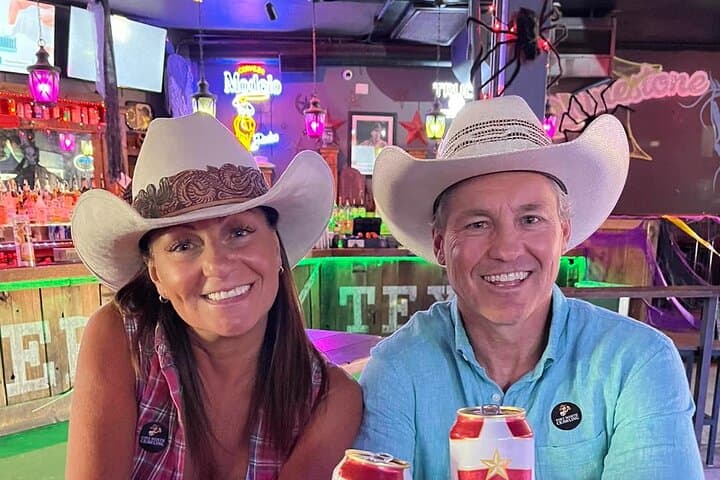
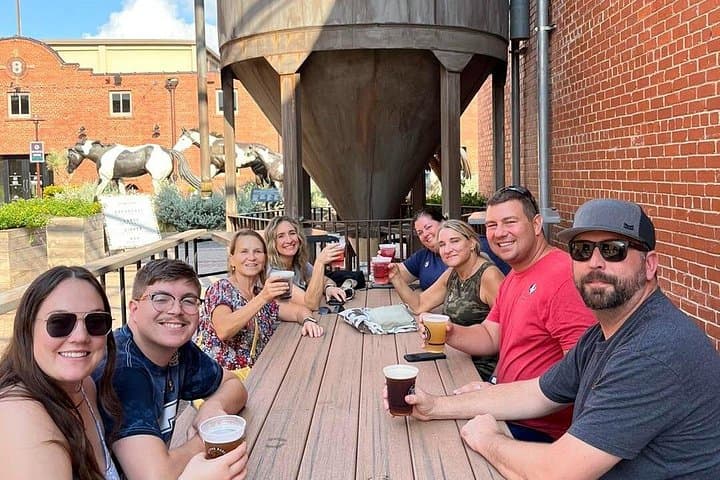
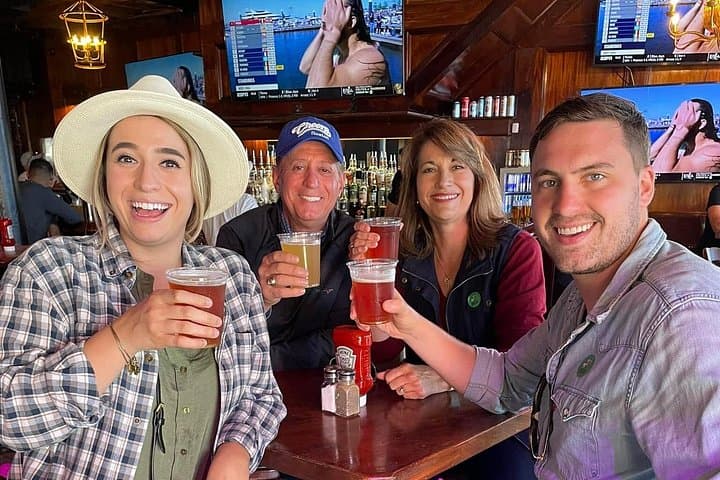
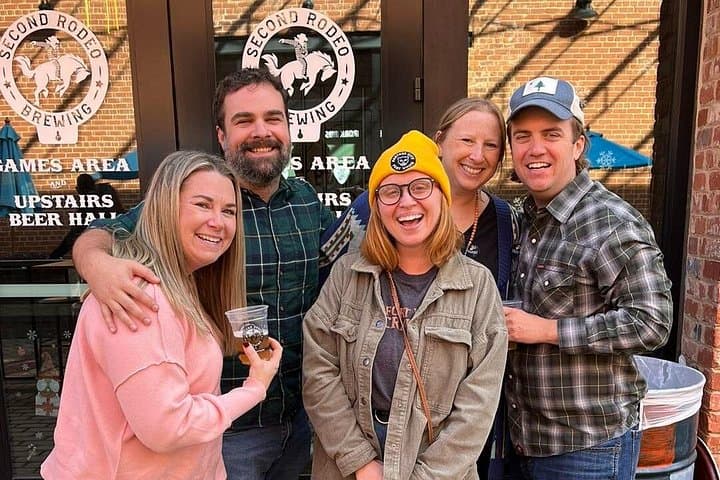
Culturally the area mixes working ranch heritage with modern hospitality: rodeo barns share blocks with microbreweries and honky-tonks. Your guide will weave stories — Chisholm Trail drives, train-era growth and the stockyards’ preservation — while stopping at four classic watering holes to sample local pours and neighborhood lore.
Practical notes: the walk is easy-paced (about 2 hours 15 minutes), mostly flat with short stretches on cobblestone; wear comfortable shoes and bring a valid photo ID (21+ for alcohol). Tours run rain or shine but check timing for cattle drives if that’s a priority. Expect groups of up to a dozen, a local guide, and opportunities to ask about nearby museums, rodeo schedules and where to keep the evening going after the crawl.
easy.
2–2.5 hours.
Light walking ability; suitable for most fitness levels with basic mobility
The experience runs about 2 hours 15 minutes and includes stops at four iconic Fort Worth bars.
This tour centers on alcohol and requires guests to be 21+ to consume; check with the operator about under-21 attendance policies.
Meet at the William Pickett (First Bulldogger) statue on East Exchange Avenue at Rodeo Plaza; the tour concludes at the same meeting area.
Cancel at least 24 hours before departure for a full refund; last-minute cancellations are typically non-refundable.
The Stockyards grew as a railhead and livestock market in the late 1800s, shaped by the Chisholm Trail and the arrival of rail lines that turned Fort Worth into a cattle distribution hub.
Preservation efforts maintain original brickwork and corrals while businesses balance tourism with care for historic structures—please respect signage and private-property boundaries.
Fort Worth Crawling operates guided outdoor trips and adventures with an emphasis on safety, stewardship, and memorable experiences.
The sun hits the red-brick walkways outside the Stockyards Championship Rodeo as your guide assembles the group by the William “First Bulldogger” Pickett statue. Conversation crackles—old West anecdotes, a map of saloons to sample—and the street itself feels like a character, edges softened by boot scuffs and decades of freight.
The sun hits the red-brick walkways outside the Stockyards Championship Rodeo as your guide assembles the group by the William “First Bulldogger” Pickett statue. Conversation crackles—old West anecdotes, a map of saloons to sample—and the street itself feels like a character, edges softened by boot scuffs and decades of freight.
The Stockyards National Historic District is where late-19th-century cattle drives met rail lines, and those layers of commerce and cowboy culture remain visible in brick storefronts, corrals and the twice-daily cattle drive down Exchange Avenue. Geologically the district sits near the Western Cross Timbers/Blackland Prairie transition; the flat, well-drained land helped make Fort Worth a livestock hub in the steam-rail era.
Culturally the area mixes working ranch heritage with modern hospitality: rodeo barns share blocks with microbreweries and honky-tonks. Your guide will weave stories — Chisholm Trail drives, train-era growth and the stockyards’ preservation — while stopping at four classic watering holes to sample local pours and neighborhood lore.
Practical notes: the walk is easy-paced (about 2 hours 15 minutes), mostly flat with short stretches on cobblestone; wear comfortable shoes and bring a valid photo ID (21+ for alcohol). Tours run rain or shine but check timing for cattle drives if that’s a priority. Expect groups of up to a dozen, a local guide, and opportunities to ask about nearby museums, rodeo schedules and where to keep the evening going after the crawl.