THE ADVENTURE COLLECTIVE® · Independent discovery and booking for outdoor travel

A 10-night circuit from Hyderabad to Goa that pairs Sultanate fortresses, Vijayanagara ruins and Chalukya temples with Goa’s relaxed beaches. Expect long drives, dramatic archaeology, and coastal calm to close the trip.
A 10-night circuit from Hyderabad to Goa that pairs Sultanate fortresses, Vijayanagara ruins and Chalukya temples with Goa’s relaxed beaches. Expect long drives, dramatic archaeology, and coastal calm to close the trip.
You arrive in Hyderabad at dawn, the city still cool and the Charminar’s arches casting long shadows across markets that will fill with spice-sellers and brassware by midmorning. The road north and west then unfurls across the Deccan Plateau: patched tarmac, scrubland, and the sudden geometry of ruined stone rising from agricultural flats.
Verified experiences and guided adventures in the surrounding area.
Operated by Agora Voyages Pvt. Ltd. · Hyderabad, Telangana
You arrive in Hyderabad at dawn, the city still cool and the Charminar’s arches casting long shadows across markets that will fill with spice-sellers and brassware by midmorning. The road north and west then unfurls across the Deccan Plateau: patched tarmac, scrubland, and the sudden geometry of ruined stone rising from agricultural flats.
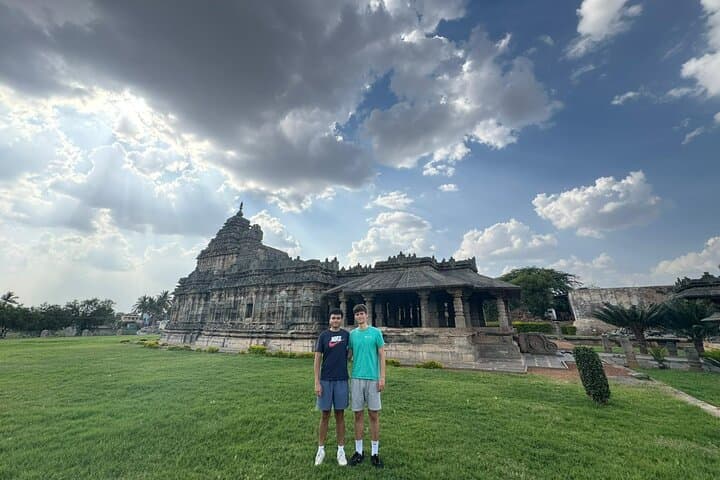
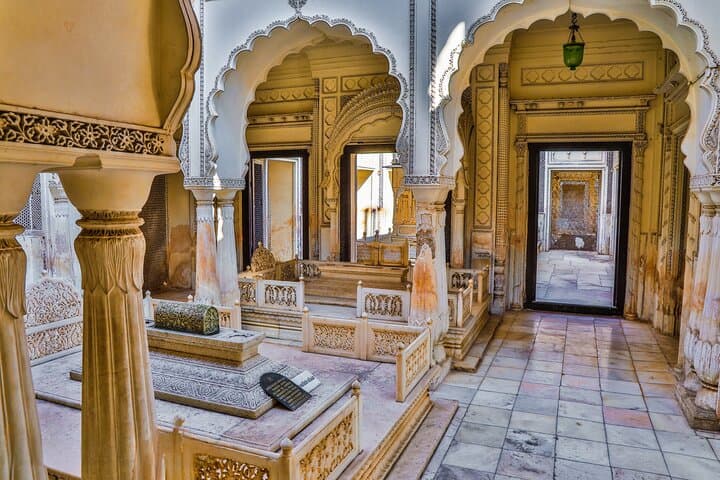
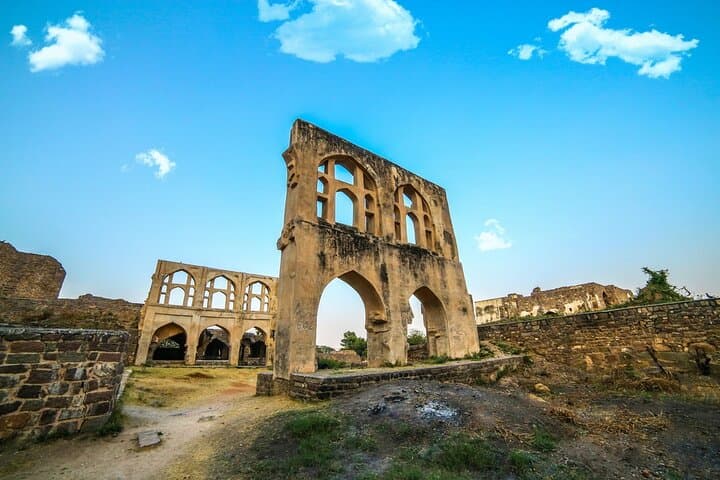
This route threads four centuries of South Indian history. Golconda’s ramparts and the Qutub Shahi tombs speak of medieval sultanates; Bidar and Gulbarga show Sultanate-era fortification and Islamic ornament; Hampi’s riverbank ruins and boulder-strewn skyline are the remnants of the Vijayanagara Empire; Aihole and Pattadakal display early Chalukya temple sculpture that influenced temple-building across peninsular India. Geologically the landscape shifts from hard peninsular gneiss and granite — the massive boulders around Hampi — to the coastal laterite and sandy plains approaching Goa and the Arabian Sea.
Culturally, you’ll see syncretic art, Indo-Islamic and Dravidian architecture, and Portuguese colonial traces along Goa’s shoreline. Local guides can unpack the iconography in temple reliefs and the colonial-era churches of Old Goa.
Practical guidance: the itinerary covers roughly 1,400–1,600 km of driving across ten nights; expect several 4–6 hour transfers. Wear sturdy walking shoes for uneven temple grounds, carry sun protection, and plan museum and temple visits for mornings to avoid heat and crowds. Hydrate between drives; bottled water is typically provided in the vehicle. If you value photography, allocate extra time in Hampi and Pattadakal for golden-hour shots when the stone warms to ochre.
easy.
10–11 days.
Suitable for travelers with basic mobility; comfortable walking for 1–3 hours daily on uneven surfaces.
Expect multiple transfers of approximately 4–6 hours between major stops; total overland travel across the itinerary is roughly 1,400–1,600 km.
Most major monument entrance fees listed in the itinerary are included; local guides accompany key sightseeing days as specified.
Yes—transport and accommodations are provided, but plan for longer car transfers and bring necessary child supplies; infant seats can be arranged.
October to March offers cooler, dry weather ideal for sightseeing; summer months are hot and humid, especially inland and on long drives.
The route traces Deccan power shifts: Sultanates in Hyderabad/Bidar and the Chalukya and Vijayanagara dynasties whose temple-building and urban planning shaped much of southern India’s medieval landscape.
Many monuments are managed by the Archaeological Survey of India; visitors should avoid climbing on fragile carvings, stick to marked paths, and minimize plastic waste on site and beaches.
Agora Voyages Pvt. Ltd. operates guided outdoor trips and adventures with an emphasis on safety, stewardship, and memorable experiences.
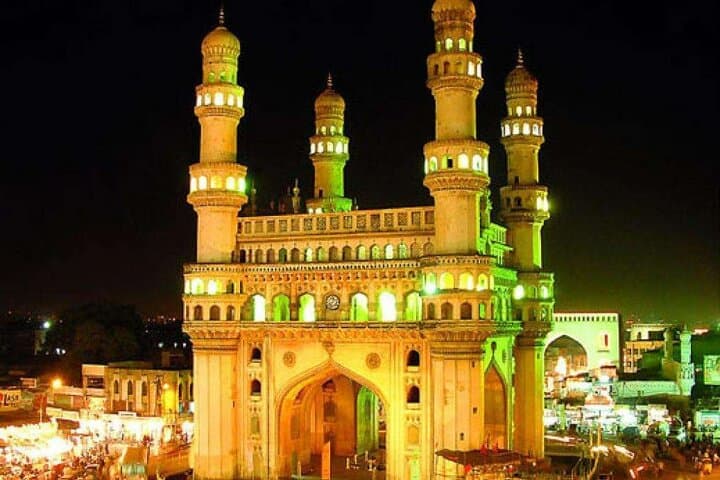
You arrive in Hyderabad at dawn, the city still cool and the Charminar’s arches casting long shadows across markets that will fill with spice-sellers and brassware by midmorning. The road north and west then unfurls across the Deccan Plateau: patched tarmac, scrubland, and the sudden geometry of ruined stone rising from agricultural flats.
You arrive in Hyderabad at dawn, the city still cool and the Charminar’s arches casting long shadows across markets that will fill with spice-sellers and brassware by midmorning. The road north and west then unfurls across the Deccan Plateau: patched tarmac, scrubland, and the sudden geometry of ruined stone rising from agricultural flats.
This route threads four centuries of South Indian history. Golconda’s ramparts and the Qutub Shahi tombs speak of medieval sultanates; Bidar and Gulbarga show Sultanate-era fortification and Islamic ornament; Hampi’s riverbank ruins and boulder-strewn skyline are the remnants of the Vijayanagara Empire; Aihole and Pattadakal display early Chalukya temple sculpture that influenced temple-building across peninsular India. Geologically the landscape shifts from hard peninsular gneiss and granite — the massive boulders around Hampi — to the coastal laterite and sandy plains approaching Goa and the Arabian Sea.
Culturally, you’ll see syncretic art, Indo-Islamic and Dravidian architecture, and Portuguese colonial traces along Goa’s shoreline. Local guides can unpack the iconography in temple reliefs and the colonial-era churches of Old Goa.
Practical guidance: the itinerary covers roughly 1,400–1,600 km of driving across ten nights; expect several 4–6 hour transfers. Wear sturdy walking shoes for uneven temple grounds, carry sun protection, and plan museum and temple visits for mornings to avoid heat and crowds. Hydrate between drives; bottled water is typically provided in the vehicle. If you value photography, allocate extra time in Hampi and Pattadakal for golden-hour shots when the stone warms to ochre.