THE ADVENTURE COLLECTIVE® · Independent discovery and booking for outdoor travel

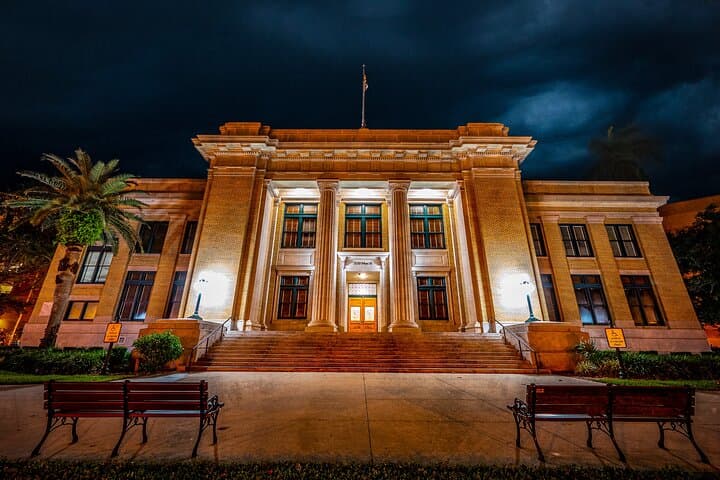
Walk the River District at night and hear Fort Myers’ darker chapters come alive. This one-mile, hour-long guided ghost tour moves through seven haunted sites—Centennial Park, McGregor Boulevard, the Old Lee County Courthouse—and ends near the Ford’s Garage.
Walk the River District at night and hear Fort Myers’ darker chapters come alive. This one-mile, hour-long guided ghost tour moves through seven haunted sites—Centennial Park, McGregor Boulevard, the Old Lee County Courthouse—and ends near the Ford’s Garage.
A warm Gulf breeze moves through the River District as the sun drops behind the bridge and the Fire Dance Sculpture begins to glow.
Verified experiences and guided adventures in the surrounding area.
Operated by Fort Myers Ghosts · Fort Myers, Florida
A warm Gulf breeze moves through the River District as the sun drops behind the bridge and the Fire Dance Sculpture begins to glow.
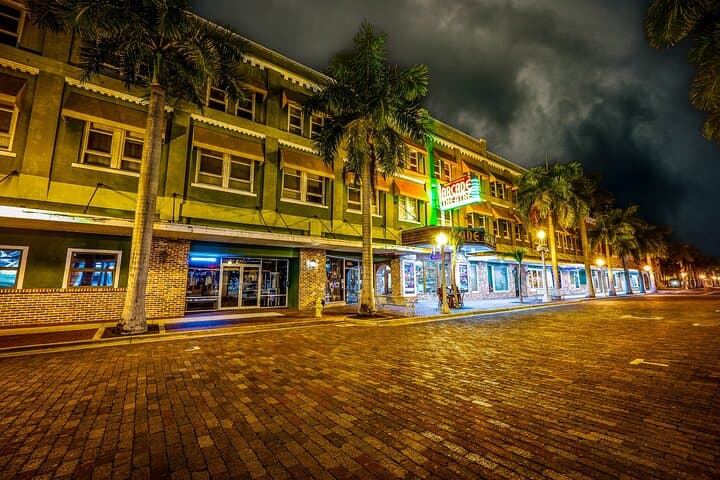
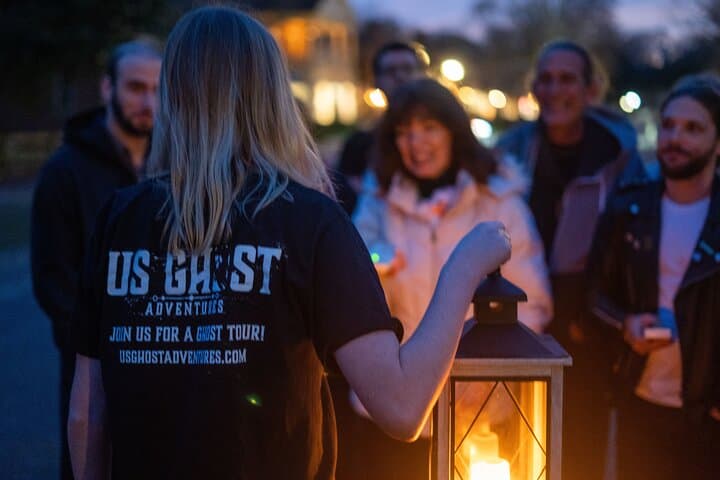
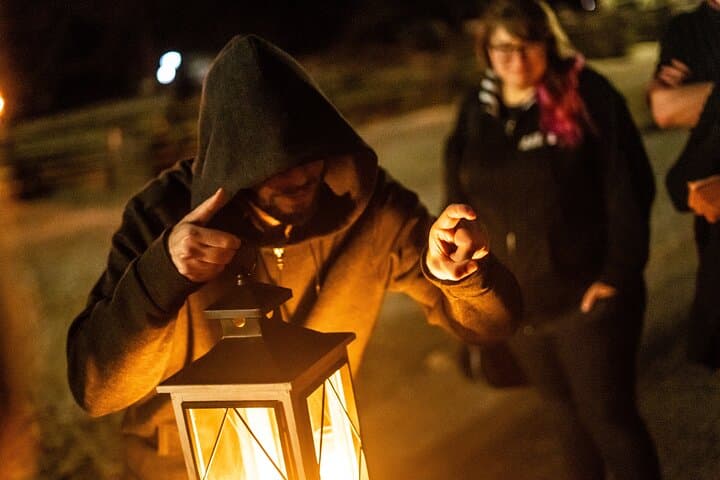
On this one-mile, lantern-lit walk, the pavement hums with stories: spectral lights once attributed to indigenous beliefs, the river daring you to peer into its dark reflections, and old commercial buildings that hold the city's quieter, more sinister memories.
Fort Myers’ River District is layered history — from the street improvements of McGregor Boulevard completed in 1913 to the Jazz Age chapters that brought figures like Al Capone into local lore. The area’s geology is flat coastal plain; mangrove-edged waterways and tidal currents shaped the town’s commerce and occasional tragedy. Culturally, the downtown riverfront evolved from citrus trade and winter estates into a mixed-use corridor where maritime life meets historic brick and plaster facades.
Practical guidance: tours run after dark and cover roughly a mile on paved sidewalks and low curbs; expect 60 minutes of stop-and-listen storytelling. Footwear should be sturdy for uneven pavement; a light jacket and insect repellent help during humid months. The route includes Centennial Park, Fort Myers Cemetery views, and the Old Lee County Courthouse — places where history and rumor intersect. Guides reference documented events alongside local legend, so carry a charged phone for photos but respect private property and memorials.
Timing matters: evening temperatures are milder but summer storms can be sudden. The tour is suitable for most walkers but not recommended for anyone unable to walk a mile. Bring water, arrive 15 minutes early, and be ready for a walk where the city’s past reaches out to meet you.
easy.
1 hour.
Comfortable walking ability to cover about 1 mile on flat, paved surfaces; brief standing during stories.
The tour runs about 60 minutes and covers roughly one mile on paved sidewalks through the River District.
Meet at the Fire Dance Sculpture on West First Street; the tour finishes near Ford’s Garage on the downtown riverfront.
Children can attend but should be able to handle an hour of walking; the tour is not suitable for those who cannot walk more than a mile or who need full wheelchair access due to curbs and uneven surfaces.
Tours operate rain or shine; organizers will contact you only if they cancel. Bring rain gear for brief showers common in summer evenings.
Fort Myers grew around citrus, winter estates, and waterfront commerce; McGregor Boulevard was a major 1913 infrastructure project and the area features ties to figures like Al Capone.
Stay on public paths and avoid disturbing gravesites or vegetation; support local riverfront cleanups and respect light/noise restrictions to protect wildlife.
Fort Myers Ghosts operates guided outdoor trips and adventures with an emphasis on safety, stewardship, and memorable experiences.
A warm Gulf breeze moves through the River District as the sun drops behind the bridge and the Fire Dance Sculpture begins to glow.
A warm Gulf breeze moves through the River District as the sun drops behind the bridge and the Fire Dance Sculpture begins to glow.
On this one-mile, lantern-lit walk, the pavement hums with stories: spectral lights once attributed to indigenous beliefs, the river daring you to peer into its dark reflections, and old commercial buildings that hold the city's quieter, more sinister memories.
Fort Myers’ River District is layered history — from the street improvements of McGregor Boulevard completed in 1913 to the Jazz Age chapters that brought figures like Al Capone into local lore. The area’s geology is flat coastal plain; mangrove-edged waterways and tidal currents shaped the town’s commerce and occasional tragedy. Culturally, the downtown riverfront evolved from citrus trade and winter estates into a mixed-use corridor where maritime life meets historic brick and plaster facades.
Practical guidance: tours run after dark and cover roughly a mile on paved sidewalks and low curbs; expect 60 minutes of stop-and-listen storytelling. Footwear should be sturdy for uneven pavement; a light jacket and insect repellent help during humid months. The route includes Centennial Park, Fort Myers Cemetery views, and the Old Lee County Courthouse — places where history and rumor intersect. Guides reference documented events alongside local legend, so carry a charged phone for photos but respect private property and memorials.
Timing matters: evening temperatures are milder but summer storms can be sudden. The tour is suitable for most walkers but not recommended for anyone unable to walk a mile. Bring water, arrive 15 minutes early, and be ready for a walk where the city’s past reaches out to meet you.