THE ADVENTURE COLLECTIVE® · Independent discovery and booking for outdoor travel

Short on time but want the essentials of Dubrovnik? This private 2‑hour walking tour climbs to Fort Lovrijenac, crosses Stradun, and finishes at Gundulic Square — a compact, guided primer to the city’s history and views.
Short on time but want the essentials of Dubrovnik? This private 2‑hour walking tour climbs to Fort Lovrijenac, crosses Stradun, and finishes at Gundulic Square — a compact, guided primer to the city’s history and views.
You step through Pile Gate and the city exhales around you — limestone underfoot, gulls circling the sea, and the promenade of Stradun stretching like a polished spine toward the inner square.
Verified experiences and guided adventures in the surrounding area.
Operated by Dubrovnik Excursions · Dubrovnik, Dubrovnik-Neretva County
You step through Pile Gate and the city exhales around you — limestone underfoot, gulls circling the sea, and the promenade of Stradun stretching like a polished spine toward the inner square.
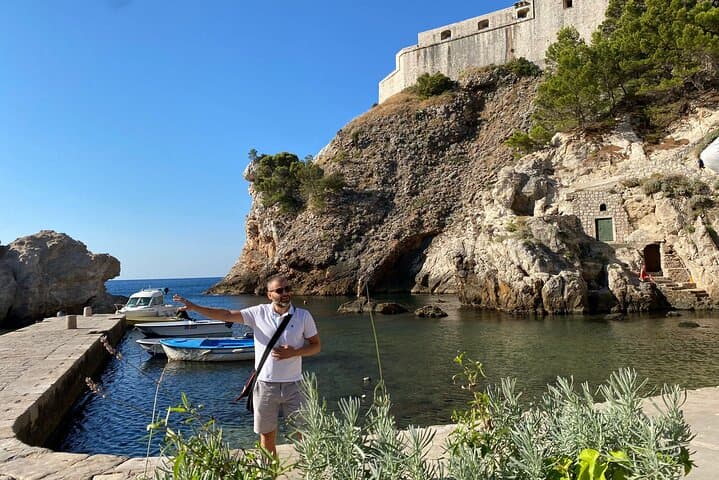
In two hours a local guide leads you up narrow steps to Fort Lovrijenac, the redoubtable fortress perched on a 30‑metre rock that once watched for Venetian sails. The fort’s stone faces still hold the blunt geometry of coastal defence; today it hosts performances and offers a raw, wind‑raked view of the Adriatic.
The walk returns through Stradun’s 300‑metre paved axis, past Sponza Palace and the baroque bell tower, then into the Rector’s Palace where Dubrovnik’s maritime republic once balanced trade and law. You’ll hear the story of the 1667 earthquake and why Saint Blaise became the city’s guardian — practical history rooted in commerce, sea power, and civic ceremony.
Gundulic Square closes the loop: a morning green market and an evening place for slow dinners. Expect narrow alleys, uneven steps, and stone thresholds that tell stories in every scuffed edge.
Practical guidance: this private tour is mainly walking on cobbles and stairs — comfortable, grippy shoes and a bottle of water are essential. Fort admission is often separate from the tour price; ask your guide if you want to enter. Aim for morning or late afternoon to avoid peak sun and cruise‑ship crowds. Bring sunscreen, a light layer for wind, and a camera with a wide lens for the seaward panoramas.
easy.
2 hours.
Suitable for most fitness levels; must be able to handle short stair climbs and uneven cobbles.
Meeting point is outside Pile Gate at the main tourist information office; your guide will hold a name tag with the reservation lead name.
Admission to the fort is typically not included in the tour price; your guide will advise on current access and fees.
Dubrovnik’s Old Town has many stairs and cobbled surfaces; this tour is not fully wheelchair accessible and strollers may be difficult on steps.
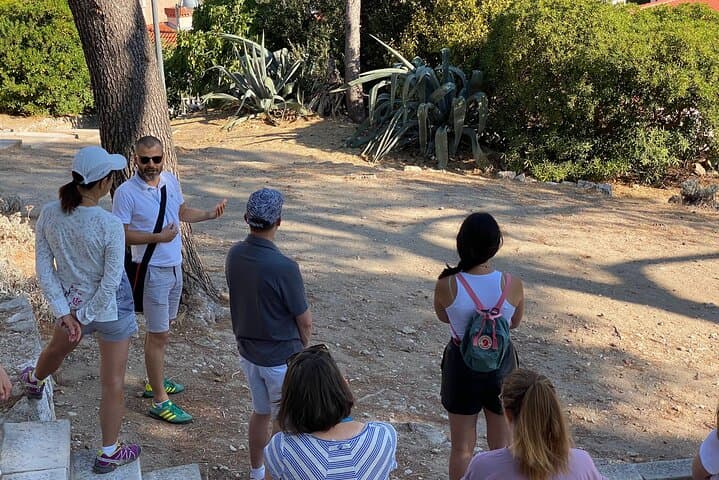
This is a private tour and can be adjusted to your interests within the two‑hour timeframe—mention special requests when booking.
Dubrovnik was a maritime republic that maintained autonomy through diplomacy and trade for over five centuries, shaping much of its fortified urban plan.
Old Town is a living heritage site; follow marked paths, avoid touching frescoes or stonework, and support local markets to keep tourism sustainable.
Dubrovnik Excursions operates guided outdoor trips and adventures with an emphasis on safety, stewardship, and memorable experiences.
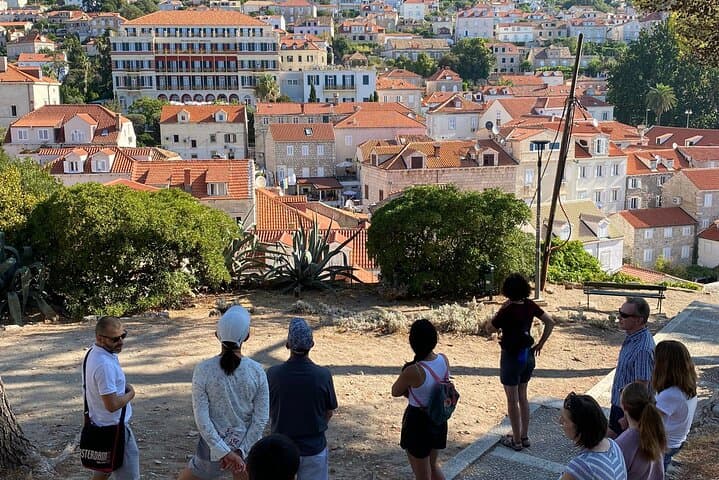

You step through Pile Gate and the city exhales around you — limestone underfoot, gulls circling the sea, and the promenade of Stradun stretching like a polished spine toward the inner square.
You step through Pile Gate and the city exhales around you — limestone underfoot, gulls circling the sea, and the promenade of Stradun stretching like a polished spine toward the inner square.
In two hours a local guide leads you up narrow steps to Fort Lovrijenac, the redoubtable fortress perched on a 30‑metre rock that once watched for Venetian sails. The fort’s stone faces still hold the blunt geometry of coastal defence; today it hosts performances and offers a raw, wind‑raked view of the Adriatic.
The walk returns through Stradun’s 300‑metre paved axis, past Sponza Palace and the baroque bell tower, then into the Rector’s Palace where Dubrovnik’s maritime republic once balanced trade and law. You’ll hear the story of the 1667 earthquake and why Saint Blaise became the city’s guardian — practical history rooted in commerce, sea power, and civic ceremony.
Gundulic Square closes the loop: a morning green market and an evening place for slow dinners. Expect narrow alleys, uneven steps, and stone thresholds that tell stories in every scuffed edge.
Practical guidance: this private tour is mainly walking on cobbles and stairs — comfortable, grippy shoes and a bottle of water are essential. Fort admission is often separate from the tour price; ask your guide if you want to enter. Aim for morning or late afternoon to avoid peak sun and cruise‑ship crowds. Bring sunscreen, a light layer for wind, and a camera with a wide lens for the seaward panoramas.