THE ADVENTURE COLLECTIVE® · Independent discovery and booking for outdoor travel

Float above nearshore artificial reefs off Fort Lauderdale with a guided snorkel. This relaxed, beginner-friendly tour includes gear, safety instruction, snacks, and local insight into reef life and stewardship.
Float above nearshore artificial reefs off Fort Lauderdale with a guided snorkel. This relaxed, beginner-friendly tour includes gear, safety instruction, snacks, and local insight into reef life and stewardship.
A warm Atlantic breeze pushes salt across the sand as you stand at the water’s edge in Fort Lauderdale, mask in place and fins snug. The guide runs through a quick safety briefing, hands steady, voice cutting through gull calls, and you wade into shallow surf for a short practice swim. Within minutes the shoreline gives way to a patchwork of artificial reef modules and soft corals where parrotfish and sergeant majors weave between crevices.
Verified experiences and guided adventures in the surrounding area.
Operated by Rio Santos · Fort Lauderdale, Florida
A warm Atlantic breeze pushes salt across the sand as you stand at the water’s edge in Fort Lauderdale, mask in place and fins snug. The guide runs through a quick safety briefing, hands steady, voice cutting through gull calls, and you wade into shallow surf for a short practice swim. Within minutes the shoreline gives way to a patchwork of artificial reef modules and soft corals where parrotfish and sergeant majors weave between crevices.
Broward County’s nearshore reefs are relatively young — man-made structures placed to restore habitat and reduce shoreline erosion — but their geology is simple: rocky substrates capped by living coral and algae that attract schooling fish. The local culture is pragmatic and beach-first; day-trippers mix with long-time anglers and conservation volunteers who monitor reef health.
Expect calm, shallow water entry points and guided sightlines to the reef, with life jackets and sanitized snorkeling gear supplied. Wildlife here is bold: you’ll likely see angelfish, grunts, rays, and occasionally a sea turtle cruising over the sand. Guides emphasize low-impact practices — floating rather than standing, and no touching coral.
Practical notes: plan for roughly 2–2.5 hours on the beach and in the water, wear reef-safe sunscreen and a UV top, and bring a waterproof bag for your phone. Morning tides and light winds make the clearest conditions; late afternoon brings warmer water but more boat traffic. After your snorkel, shaded seating, chilled fruit, and an instant photo are waiting — small comforts that close a direct, tactile encounter with South Florida’s nearshore seascape.
easy.
2–3 hours.
Moderate — should be comfortable swimming short distances and treading water with a life vest if needed
Yes — participants should be comfortable in the water and able to swim short distances; life vests are provided for extra buoyancy.
Guests can snorkel for up to 2 hours and 30 minutes but may return to shore whenever they wish; guided segments include a practice session and reef time.
Encounters are common but never guaranteed; rays and sea turtles frequent the reef, especially in quieter sections and on calm days.
Yes — the tour supplies sanitized masks, snorkels, fins, and life jackets, plus anti-fog that’s gentle on skin and compatible with marine environments.
Broward County has seeded artificial reef modules for decades to restore habitat and divert surf energy, creating accessible nearshore diving and snorkeling sites.
Use reef‑safe sunscreen, avoid touching coral or stirring sediment, and follow guides’ instructions to minimize impact on fragile reef communities.
Rio Santos operates guided outdoor trips and adventures with an emphasis on safety, stewardship, and memorable experiences.
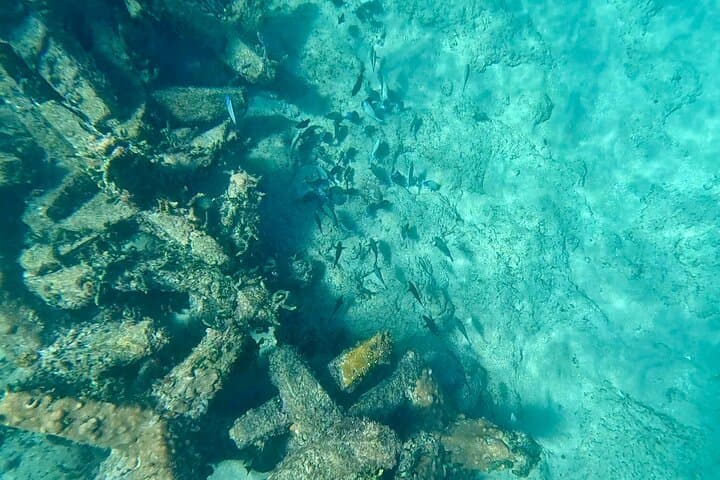
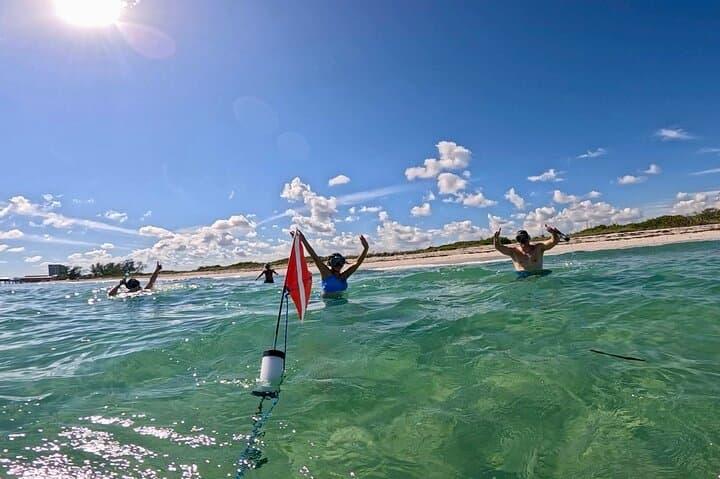
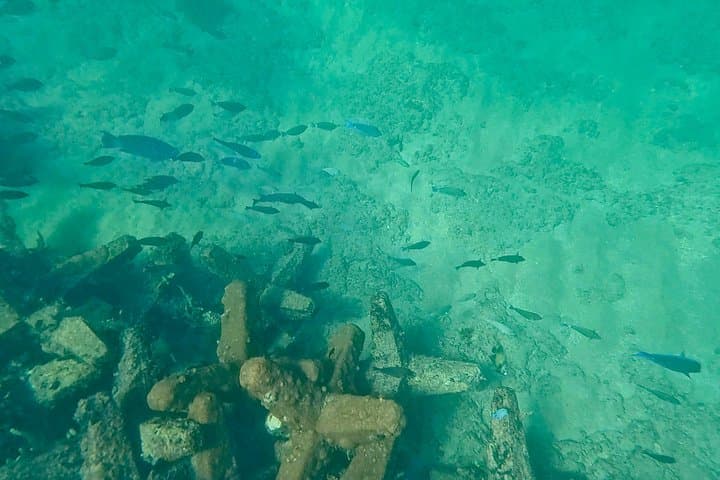
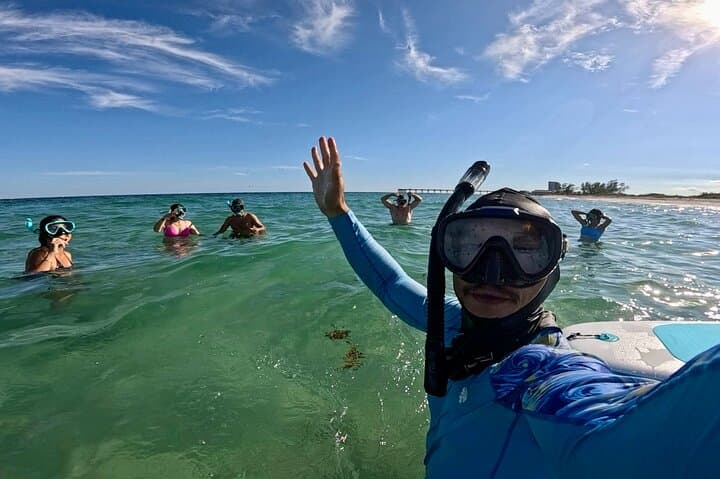
A warm Atlantic breeze pushes salt across the sand as you stand at the water’s edge in Fort Lauderdale, mask in place and fins snug. The guide runs through a quick safety briefing, hands steady, voice cutting through gull calls, and you wade into shallow surf for a short practice swim. Within minutes the shoreline gives way to a patchwork of artificial reef modules and soft corals where parrotfish and sergeant majors weave between crevices.
A warm Atlantic breeze pushes salt across the sand as you stand at the water’s edge in Fort Lauderdale, mask in place and fins snug. The guide runs through a quick safety briefing, hands steady, voice cutting through gull calls, and you wade into shallow surf for a short practice swim. Within minutes the shoreline gives way to a patchwork of artificial reef modules and soft corals where parrotfish and sergeant majors weave between crevices.
Broward County’s nearshore reefs are relatively young — man-made structures placed to restore habitat and reduce shoreline erosion — but their geology is simple: rocky substrates capped by living coral and algae that attract schooling fish. The local culture is pragmatic and beach-first; day-trippers mix with long-time anglers and conservation volunteers who monitor reef health.
Expect calm, shallow water entry points and guided sightlines to the reef, with life jackets and sanitized snorkeling gear supplied. Wildlife here is bold: you’ll likely see angelfish, grunts, rays, and occasionally a sea turtle cruising over the sand. Guides emphasize low-impact practices — floating rather than standing, and no touching coral.
Practical notes: plan for roughly 2–2.5 hours on the beach and in the water, wear reef-safe sunscreen and a UV top, and bring a waterproof bag for your phone. Morning tides and light winds make the clearest conditions; late afternoon brings warmer water but more boat traffic. After your snorkel, shaded seating, chilled fruit, and an instant photo are waiting — small comforts that close a direct, tactile encounter with South Florida’s nearshore seascape.