THE ADVENTURE COLLECTIVE® · Independent discovery and booking for outdoor travel

Spend 2.5 hours learning glass cutting, design placement and grouting in a Fort Lauderdale studio. Walk away with a finished mosaic and practical skills suitable for beginners.
Spend 2.5 hours learning glass cutting, design placement and grouting in a Fort Lauderdale studio. Walk away with a finished mosaic and practical skills suitable for beginners.
The studio door opens onto a bright Fort Lauderdale street; sunlight skips across tiles and the smell of warm grout hangs faintly in the air. Stations are laid out with colored glass, nippers, and a shallow tray for smoothed pieces — the rhythm of clipping glass becomes the first part of the day.
Verified experiences and guided adventures in the surrounding area.
Operated by Gasper Arts Center · Fort Lauderdale, Florida
The studio door opens onto a bright Fort Lauderdale street; sunlight skips across tiles and the smell of warm grout hangs faintly in the air. Stations are laid out with colored glass, nippers, and a shallow tray for smoothed pieces — the rhythm of clipping glass becomes the first part of the day.
Mosaic-making here links old-world craft with Florida’s coastal culture. Mosaic art has roots in Roman and Byzantine floors and has seen local reinterpretation in seaside towns where tile resists humidity better than paint. Fort Lauderdale’s art scene, from public murals to the NSU Art Museum, frames this small studio as part of a larger creative thread driven by Caribbean, Latin and South Florida influences.
Geologically the city sits on a coastal plain of limestone and sand; that durability is why tile and mosaic have practical as well as aesthetic appeal in waterfront climates. Culturally, residents favor bright palettes and reclaimed materials — you’ll notice color choices echoing the ocean, palms and pastel architecture around the canals.
Practical guidance: classes run about 2.5 hours and include a template, glass and grout; beginners are taught glass cutting, placement and grouting. Wear comfortable clothes you don’t mind a little dust on, and closed-toe shoes for safety. The studio is wheelchair accessible, accepts small groups, and is family-friendly for teens with supervision. Expect to leave with a fully grouted piece; heavier projects may need a short cure time at home. Arrive 10 minutes early to choose your palette and get a safety briefing. If you need transport, Fort Lauderdale’s transit and ride-hail options serve the area, and cancellation is typical at least 24 hours prior. This class is equal parts practical instruction and a chance to make something tactile and local to take home.
easy.
2–3 hours.
No special fitness required; suitable for most ages and mobility levels
No experience is required; instructors cover glass cutting, placement and grouting with safety demos for beginners.
Yes — the class includes a mosaic template, glass pieces, glue and grout so you can complete a project in-session.
Yes; the listing indicates wheelchair-accessible areas and surfaces, and staff can accommodate mobility needs.
Younger children may need supervision; the class is family-friendly for teens, but check with the operator about minimum age or parental participation.
Mosaic art has millennia-old roots; locally, tilework became practical in coastal Florida for its moisture resistance and bright palette influences from Caribbean and Latin traditions.
Choose small, responsibly sourced projects and ask studios about recycled-glass options; proper disposal of glass offcuts and grout reduces local waste and water contamination.
Gasper Arts Center operates guided outdoor trips and adventures with an emphasis on safety, stewardship, and memorable experiences.
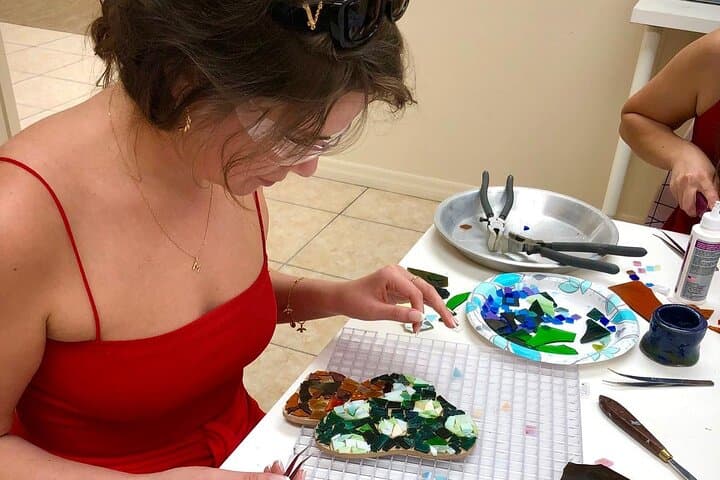
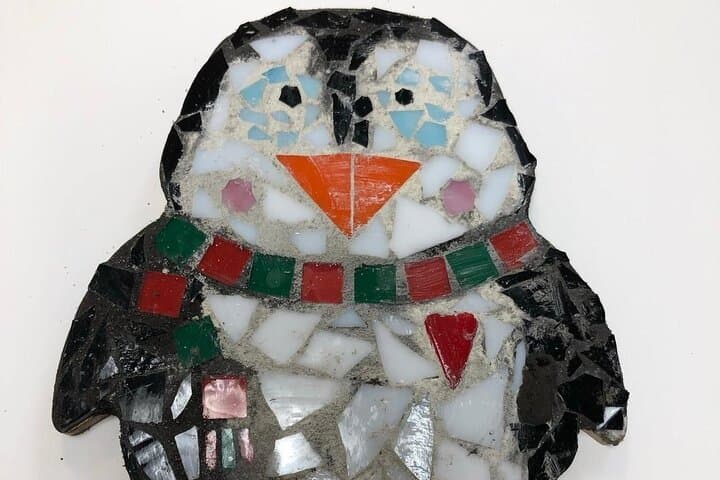
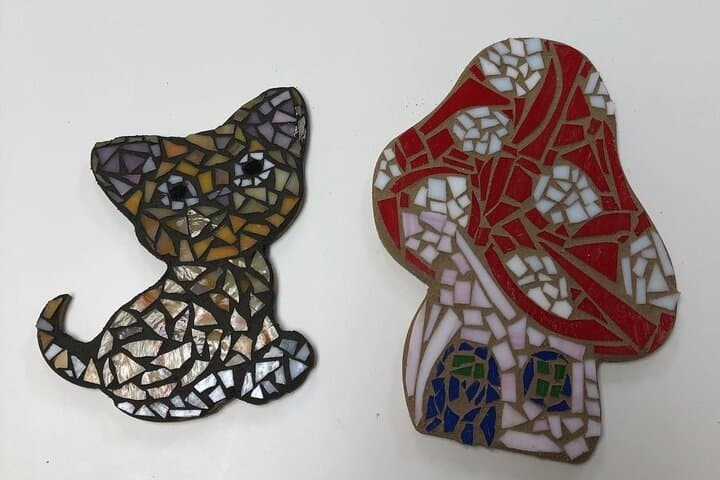
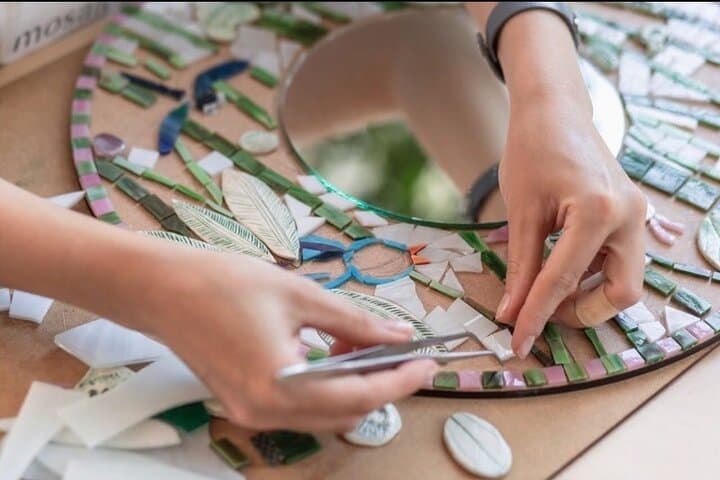
The studio door opens onto a bright Fort Lauderdale street; sunlight skips across tiles and the smell of warm grout hangs faintly in the air. Stations are laid out with colored glass, nippers, and a shallow tray for smoothed pieces — the rhythm of clipping glass becomes the first part of the day.
The studio door opens onto a bright Fort Lauderdale street; sunlight skips across tiles and the smell of warm grout hangs faintly in the air. Stations are laid out with colored glass, nippers, and a shallow tray for smoothed pieces — the rhythm of clipping glass becomes the first part of the day.
Mosaic-making here links old-world craft with Florida’s coastal culture. Mosaic art has roots in Roman and Byzantine floors and has seen local reinterpretation in seaside towns where tile resists humidity better than paint. Fort Lauderdale’s art scene, from public murals to the NSU Art Museum, frames this small studio as part of a larger creative thread driven by Caribbean, Latin and South Florida influences.
Geologically the city sits on a coastal plain of limestone and sand; that durability is why tile and mosaic have practical as well as aesthetic appeal in waterfront climates. Culturally, residents favor bright palettes and reclaimed materials — you’ll notice color choices echoing the ocean, palms and pastel architecture around the canals.
Practical guidance: classes run about 2.5 hours and include a template, glass and grout; beginners are taught glass cutting, placement and grouting. Wear comfortable clothes you don’t mind a little dust on, and closed-toe shoes for safety. The studio is wheelchair accessible, accepts small groups, and is family-friendly for teens with supervision. Expect to leave with a fully grouted piece; heavier projects may need a short cure time at home. Arrive 10 minutes early to choose your palette and get a safety briefing. If you need transport, Fort Lauderdale’s transit and ride-hail options serve the area, and cancellation is typical at least 24 hours prior. This class is equal parts practical instruction and a chance to make something tactile and local to take home.