THE ADVENTURE COLLECTIVE® · Independent discovery and booking for outdoor travel

Spend an evening learning Forró basics in a beginner-friendly class, then take your new steps into a lively local club in Lapa. This experience blends cultural insight with hands-on instruction for a true taste of Rio nightlife.
Spend an evening learning Forró basics in a beginner-friendly class, then take your new steps into a lively local club in Lapa. This experience blends cultural insight with hands-on instruction for a true taste of Rio nightlife.
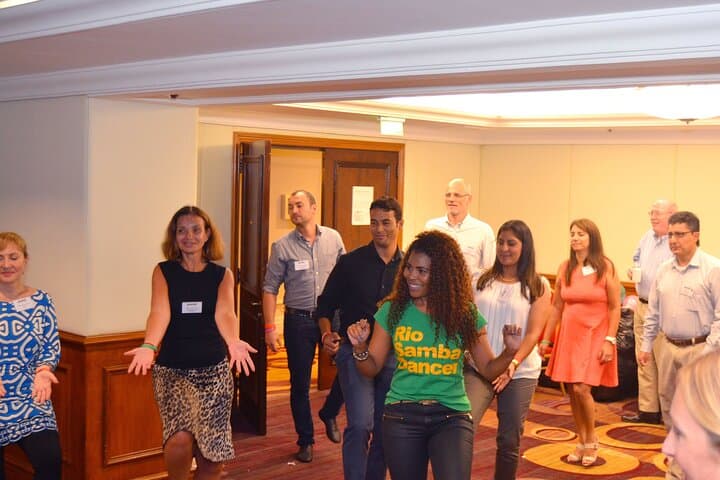
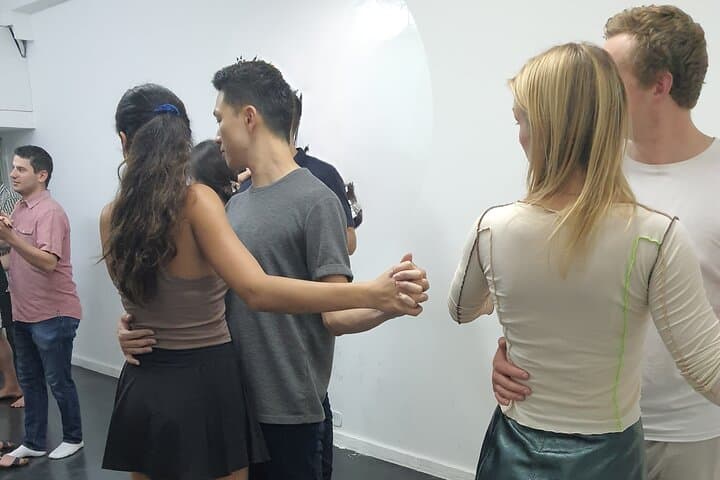
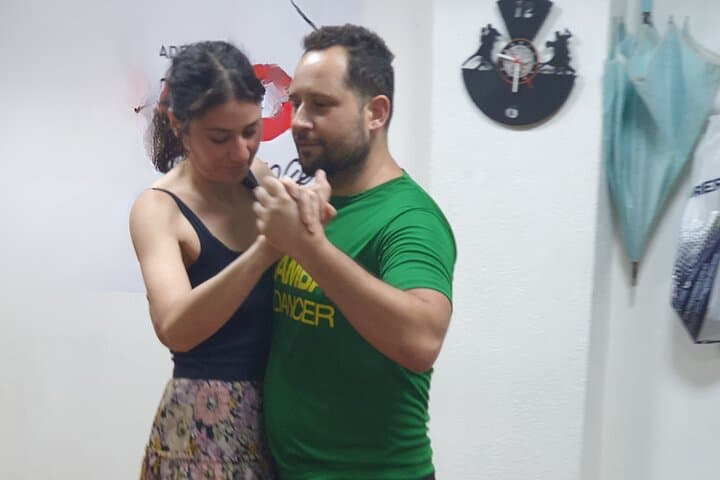
The sun slides behind the city and Lapa's arches begin to hum — sax, percussion, laughter. Participants gather in a low-lit studio for a 5:30 PM beginner Forró class: feet learning the basic two-step, hips following an easy pulse, the instructor calling rhythm like a friendly coach. After an hour of guided practice, the group spills onto cobbled streets toward a local club where the music takes over and the dance becomes a living conversation.
Verified experiences and guided adventures in the surrounding area.
Operated by Rio Samba Dancer · Rio de Janeiro, Rio de Janeiro
The sun slides behind the city and Lapa's arches begin to hum — sax, percussion, laughter. Participants gather in a low-lit studio for a 5:30 PM beginner Forró class: feet learning the basic two-step, hips following an easy pulse, the instructor calling rhythm like a friendly coach. After an hour of guided practice, the group spills onto cobbled streets toward a local club where the music takes over and the dance becomes a living conversation.
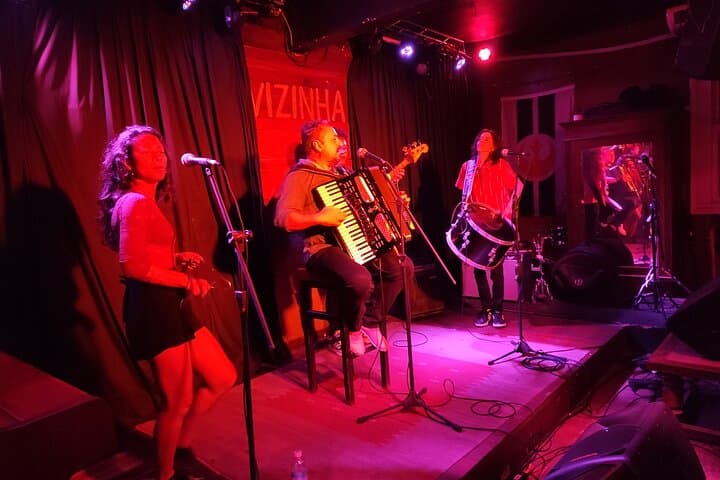
Forró began in Brazil's northeast as a courting and working-class dance, carried south by migrants and popularized across Rio's nightlife in the 20th century. The music blends zabumba, accordion and triangle; locally, clubs keep the tradition alive while adding samba and contemporary Brazilian pop. Rio's urban geology — street-level terraces, tiled stairways, and open-air bars — shapes the way the night moves, from intimate partner steps to crowded circle dances.
Expect a relaxed, social evening rather than formal instruction: the class emphasizes timing and basic holds so newcomers can join the floor confidently. Wear shoes you can pivot in and bring a small amount of cash for cover and drinks. Plan for noise, close quarters and a mix of Portuguese and English from instructors and locals. Transportation is simple by taxi or app, and public transit options are nearby earlier in the night.
Whether someone wants to learn steps or simply observe, the experience offers cultural context alongside practical guidance. Arrive ready to move, keep valuables secured, and let the city and its rhythms push you forward into an authentic Rio night.
easy.
4 hours.
Suitable for most fitness levels; involves standing, light cardio and partner movement for up to a few hours.
No — the class is designed for individuals; instructors rotate partners so everyone gets practice leading and following.
No experience necessary — the session covers basic steps and timing for beginners.
The guided experience lasts about four hours, but club hours in Lapa often extend late; plan your return transportation accordingly.
Instructors commonly teach in Portuguese and English; expect a mix and a friendly, patient teaching style.
Forró originated in northeastern Brazil as social and courtship music and migrated to Rio with internal migration in the 20th century, where it mixed with urban nightlife traditions.
Support local venues and instructors to keep cultural traditions viable; minimize noise and litter, and respect venue capacity limits to reduce crowding.
Rio Samba Dancer operates guided outdoor trips and adventures with an emphasis on safety, stewardship, and memorable experiences.
The sun slides behind the city and Lapa's arches begin to hum — sax, percussion, laughter. Participants gather in a low-lit studio for a 5:30 PM beginner Forró class: feet learning the basic two-step, hips following an easy pulse, the instructor calling rhythm like a friendly coach. After an hour of guided practice, the group spills onto cobbled streets toward a local club where the music takes over and the dance becomes a living conversation.
The sun slides behind the city and Lapa's arches begin to hum — sax, percussion, laughter. Participants gather in a low-lit studio for a 5:30 PM beginner Forró class: feet learning the basic two-step, hips following an easy pulse, the instructor calling rhythm like a friendly coach. After an hour of guided practice, the group spills onto cobbled streets toward a local club where the music takes over and the dance becomes a living conversation.
Forró began in Brazil's northeast as a courting and working-class dance, carried south by migrants and popularized across Rio's nightlife in the 20th century. The music blends zabumba, accordion and triangle; locally, clubs keep the tradition alive while adding samba and contemporary Brazilian pop. Rio's urban geology — street-level terraces, tiled stairways, and open-air bars — shapes the way the night moves, from intimate partner steps to crowded circle dances.
Expect a relaxed, social evening rather than formal instruction: the class emphasizes timing and basic holds so newcomers can join the floor confidently. Wear shoes you can pivot in and bring a small amount of cash for cover and drinks. Plan for noise, close quarters and a mix of Portuguese and English from instructors and locals. Transportation is simple by taxi or app, and public transit options are nearby earlier in the night.
Whether someone wants to learn steps or simply observe, the experience offers cultural context alongside practical guidance. Arrive ready to move, keep valuables secured, and let the city and its rhythms push you forward into an authentic Rio night.