THE ADVENTURE COLLECTIVE® · Independent discovery and booking for outdoor travel

Turn a piece of rebar into a working survival knife in a four-hour, beginner-friendly bladesmithing workshop in Gowanus, Brooklyn. Expect hot forges, hands-on instruction, and a finished utility blade to take home.
Turn a piece of rebar into a working survival knife in a four-hour, beginner-friendly bladesmithing workshop in Gowanus, Brooklyn. Expect hot forges, hands-on instruction, and a finished utility blade to take home.
The propane forge breathes heat into the concrete room; sparks hop like urban fireflies as a novice lifts a glowing bar of steel to the anvil. In this Gowanus workshop, the city’s rhythm—sirens, subway rumbles, and a distant river—fades into the steady cadence of hammer strikes. Over four focused hours, participants transform a simple length of rebar into a functional survival blade under expert instruction.
Verified experiences and guided adventures in the surrounding area.
Operated by Craftsman Ave · Brooklyn, New York
The propane forge breathes heat into the concrete room; sparks hop like urban fireflies as a novice lifts a glowing bar of steel to the anvil. In this Gowanus workshop, the city’s rhythm—sirens, subway rumbles, and a distant river—fades into the steady cadence of hammer strikes. Over four focused hours, participants transform a simple length of rebar into a functional survival blade under expert instruction.
Bladesmithing in Brooklyn borrows from a long practical tradition: immigrant metalworkers who turned scrap into tools across New York in the 19th and 20th centuries. The methods here are straightforward—heat, hammer, quench, grind—rooted in blacksmithing technique rather than theatrical repair. The neighborhood’s post-industrial geology is literal: reclaimed warehouses and canal-side lots that once held factories now house small trades and studios, where hands-on craft persists.
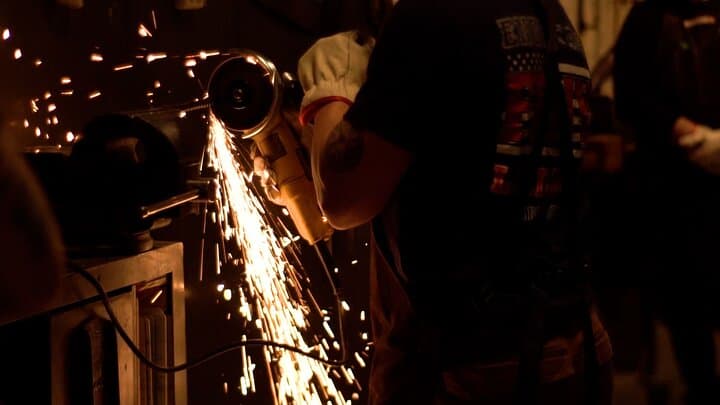
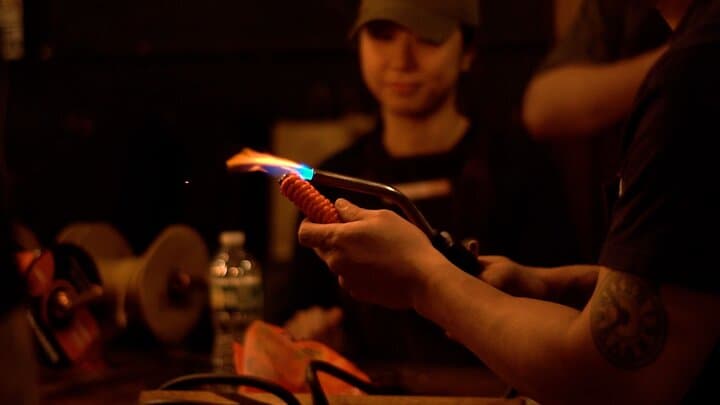
Expect a hands-on, safety-first environment. Instructors demonstrate technique, then guide you through shaping, tempering, and finishing. There’s a brief break with local pizza and drinks, and time to practice edge work and handle wrapping. The quench is dramatic but controlled; the grinder and files do the final work.
Practical guidance: arrive in closed-toe shoes and cotton layers, tie long hair back, and plan to stand for most of the session. The class suits beginners and makes a solid single-day project — bring an extra phone battery for photos of the glowing steel. Come ready to sweat, learn a craft, and leave with a one-of-a-kind tool and new metalworking skills.
easy.
4 hours.
No special fitness required beyond standing for most of the session and light manual work; suitable for most adults.
No prior bladesmithing experience is needed; instructors guide every step from heating to finishing.
Workshops supply eye protection, aprons, gloves, and hearing protection as needed—bring closed-toe shoes and avoid loose clothing.
Yes; the class includes finishing and sharpening so you leave with a completed, functional blade.
Age requirements can vary—check booking details, and expect parent/guardian involvement for younger teens.
Brooklyn’s small-scale metal trades grew from 19th-century industry; today’s workshops continue a practical maker tradition in repurposed industrial spaces.
Workshops typically recycle scrap metal and emphasize safe disposal of oils and coolants—ask your instructor about materials recycling practices.
Craftsman Ave operates guided outdoor trips and adventures with an emphasis on safety, stewardship, and memorable experiences.
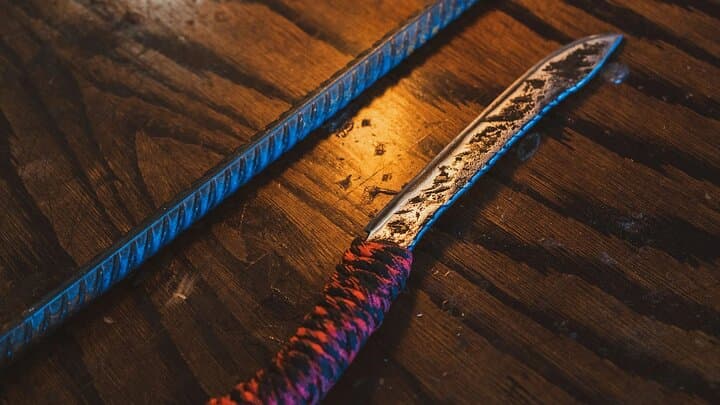
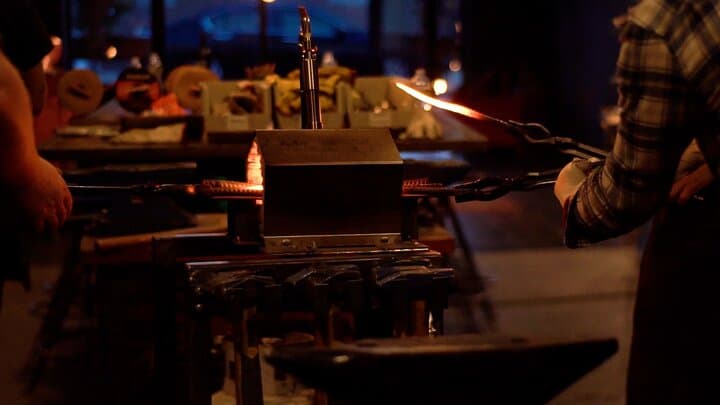
The propane forge breathes heat into the concrete room; sparks hop like urban fireflies as a novice lifts a glowing bar of steel to the anvil. In this Gowanus workshop, the city’s rhythm—sirens, subway rumbles, and a distant river—fades into the steady cadence of hammer strikes. Over four focused hours, participants transform a simple length of rebar into a functional survival blade under expert instruction.
The propane forge breathes heat into the concrete room; sparks hop like urban fireflies as a novice lifts a glowing bar of steel to the anvil. In this Gowanus workshop, the city’s rhythm—sirens, subway rumbles, and a distant river—fades into the steady cadence of hammer strikes. Over four focused hours, participants transform a simple length of rebar into a functional survival blade under expert instruction.
Bladesmithing in Brooklyn borrows from a long practical tradition: immigrant metalworkers who turned scrap into tools across New York in the 19th and 20th centuries. The methods here are straightforward—heat, hammer, quench, grind—rooted in blacksmithing technique rather than theatrical repair. The neighborhood’s post-industrial geology is literal: reclaimed warehouses and canal-side lots that once held factories now house small trades and studios, where hands-on craft persists.
Expect a hands-on, safety-first environment. Instructors demonstrate technique, then guide you through shaping, tempering, and finishing. There’s a brief break with local pizza and drinks, and time to practice edge work and handle wrapping. The quench is dramatic but controlled; the grinder and files do the final work.
Practical guidance: arrive in closed-toe shoes and cotton layers, tie long hair back, and plan to stand for most of the session. The class suits beginners and makes a solid single-day project — bring an extra phone battery for photos of the glowing steel. Come ready to sweat, learn a craft, and leave with a one-of-a-kind tool and new metalworking skills.