THE ADVENTURE COLLECTIVE® · Independent discovery and booking for outdoor travel

Turn a railroad spike into a finished knife in a four‑hour, hands‑on blacksmithing workshop near Ferry Township. Learn coal‑forge techniques, treadle hammer work, quenching, and grinding with tools and PPE provided.
Turn a railroad spike into a finished knife in a four‑hour, hands‑on blacksmithing workshop near Ferry Township. Learn coal‑forge techniques, treadle hammer work, quenching, and grinding with tools and PPE provided.
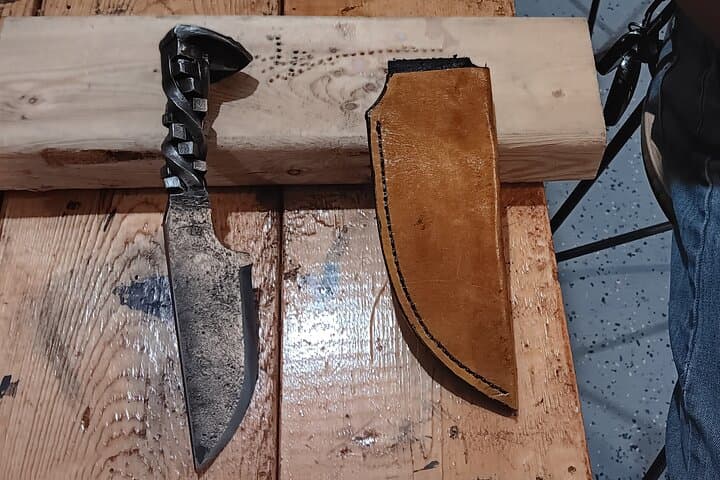
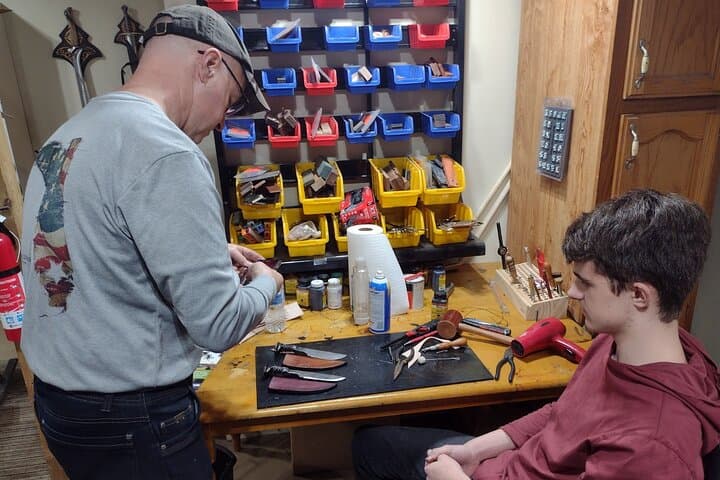
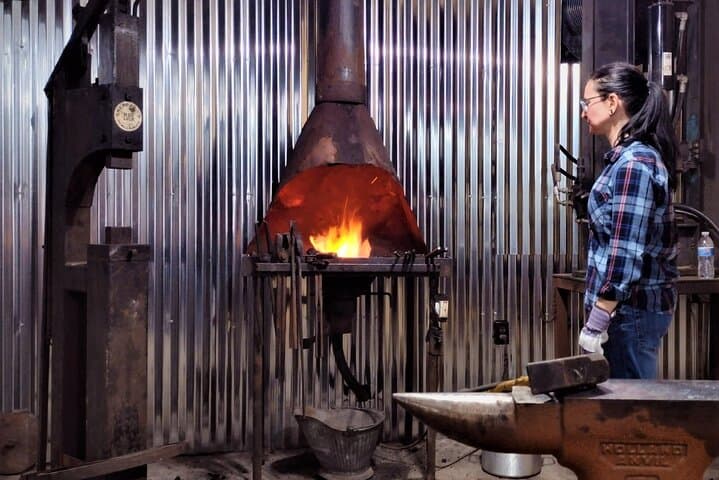
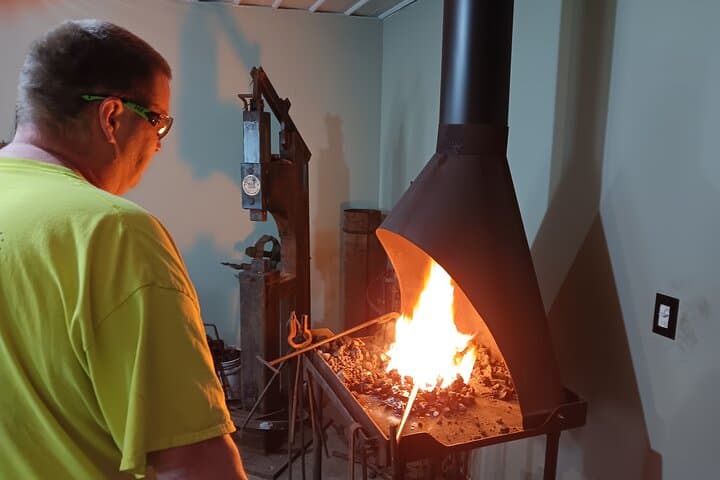
Steam and coal smoke sit in the low light of a rural shop as the instructor coaxes a 19th‑century railroad spike into a blade. The shop hums with the measured rhythm of hammer and treadle press; heat pushes forward, metal obedient, sparks like brief punctuation marks. This four‑hour, hands‑on workshop puts every step of blacksmithing in your hands — from firing the coal forge and drawing out a handle with a treadle hammer to twisting, quenching, and finishing the edge on a 2"x72" belt grinder.
Verified experiences and guided adventures in the surrounding area.
Operated by LLForge · Hart, Michigan
Steam and coal smoke sit in the low light of a rural shop as the instructor coaxes a 19th‑century railroad spike into a blade. The shop hums with the measured rhythm of hammer and treadle press; heat pushes forward, metal obedient, sparks like brief punctuation marks. This four‑hour, hands‑on workshop puts every step of blacksmithing in your hands — from firing the coal forge and drawing out a handle with a treadle hammer to twisting, quenching, and finishing the edge on a 2"x72" belt grinder.
Blacksmithing in Michigan grew with the rail lines that opened inland towns in the 1800s; reclaimed spikes carry that industrial history into a compact modern craft. Geologically, the steel you work is a manufactured alloy, but the shop sits within a landscape of glacial plains and mixed hardwoods — a quiet rural counterpoint to the shop’s hot, loud work. Locals treat metalwork as practical art; expect a friendly, workshop‑first culture and clear safety instruction.
Practically: plan for a 4‑hour session, wear closed‑toe shoes and cotton or leather sleeves (synthetics melt). The provider supplies tools, PPE, and accessible work areas; participants should have modest upper‑body strength and no contraindicated medical conditions (pregnancy, serious heart or spinal issues). Bring a water bottle, long pants, and a willingness to get dirty. Book in advance (small class sizes) and arrive 10–15 minutes early for orientation. You’ll leave with a functional knife and a direct sense of how heat, hammer, and timing shape metal — and a new appreciation for the hands‑on trades that shaped Michigan’s towns.
moderate.
4 hours.
Moderate upper‑body strength and standing for several hours; suitable for most active adults
Yes — participants forge and finish their own railroad spike knife and take it home at the end of the workshop.
Minors must be accompanied by an adult; the provider requires parental supervision for anyone under 18.
Yes — the facility notes wheelchair accessibility for work areas, but contact the operator ahead of time to discuss specific needs.
Full refunds are typically available if you cancel at least 24 hours before the start time; check the booking terms for exact details.
Railroad expansion in 19th‑century Michigan brought spikes and blacksmith work to rural towns; using reclaimed spikes ties the craft to that regional past.
The workshop emphasizes reuse—turning reclaimed spikes into tools reduces scrap; instructors manage dust and ventilation to limit environmental and health impacts.
LLForge operates guided outdoor trips and adventures with an emphasis on safety, stewardship, and memorable experiences.
Steam and coal smoke sit in the low light of a rural shop as the instructor coaxes a 19th‑century railroad spike into a blade. The shop hums with the measured rhythm of hammer and treadle press; heat pushes forward, metal obedient, sparks like brief punctuation marks. This four‑hour, hands‑on workshop puts every step of blacksmithing in your hands — from firing the coal forge and drawing out a handle with a treadle hammer to twisting, quenching, and finishing the edge on a 2"x72" belt grinder.
Steam and coal smoke sit in the low light of a rural shop as the instructor coaxes a 19th‑century railroad spike into a blade. The shop hums with the measured rhythm of hammer and treadle press; heat pushes forward, metal obedient, sparks like brief punctuation marks. This four‑hour, hands‑on workshop puts every step of blacksmithing in your hands — from firing the coal forge and drawing out a handle with a treadle hammer to twisting, quenching, and finishing the edge on a 2"x72" belt grinder.
Blacksmithing in Michigan grew with the rail lines that opened inland towns in the 1800s; reclaimed spikes carry that industrial history into a compact modern craft. Geologically, the steel you work is a manufactured alloy, but the shop sits within a landscape of glacial plains and mixed hardwoods — a quiet rural counterpoint to the shop’s hot, loud work. Locals treat metalwork as practical art; expect a friendly, workshop‑first culture and clear safety instruction.
Practically: plan for a 4‑hour session, wear closed‑toe shoes and cotton or leather sleeves (synthetics melt). The provider supplies tools, PPE, and accessible work areas; participants should have modest upper‑body strength and no contraindicated medical conditions (pregnancy, serious heart or spinal issues). Bring a water bottle, long pants, and a willingness to get dirty. Book in advance (small class sizes) and arrive 10–15 minutes early for orientation. You’ll leave with a functional knife and a direct sense of how heat, hammer, and timing shape metal — and a new appreciation for the hands‑on trades that shaped Michigan’s towns.