THE ADVENTURE COLLECTIVE® · Independent discovery and booking for outdoor travel

Step into a working Kyoto smithy and forge your own shuriken or kunai under expert guidance. This 2–3 hour hands-on workshop combines practical metalwork skills, history lessons on ninja tools, and a finished piece you can take home—subject to local transport and legal rules.
Step into a working Kyoto smithy and forge your own shuriken or kunai under expert guidance. This 2–3 hour hands-on workshop combines practical metalwork skills, history lessons on ninja tools, and a finished piece you can take home—subject to local transport and legal rules.
You step into a low-lit studio in central Kyoto, the scent of hot metal and oil sharpening your focus. Craftsmen gesture you into a samue and tenugui; an 800°C furnace glows like a small sun daring you to draw near. Sparks flick outward as the hammer finds rhythm, and the raw sheet begins to take the silhouette of a shuriken or kunai.
Verified experiences and guided adventures in the surrounding area.
Operated by Atelier NIN · Kyoto, Kyoto Prefecture
You step into a low-lit studio in central Kyoto, the scent of hot metal and oil sharpening your focus. Craftsmen gesture you into a samue and tenugui; an 800°C furnace glows like a small sun daring you to draw near. Sparks flick outward as the hammer finds rhythm, and the raw sheet begins to take the silhouette of a shuriken or kunai.
The practice of forging ties modern workshop craft to centuries-old arms traditions from regions like Iga and Koga, where covert tools were adapted for stealth and survival. Kyoto itself, long the imperial capital, was a hub of artisans and metalworkers who refined techniques later applied in both utilitarian and martial contexts. In the studio you’ll hear short lessons on weapon forms, kanji engraving, and the blackening finish that both protects and darkens the steel.
This is hands-on work: you’ll heat, hammer, sand, and finish a single piece under close supervision. Expect to stand for most of the session and to get your hands and clothes dusty; staff provide specialist tools and may rent protective gear. The experience fits into a half-day schedule and pairs well with a walk through nearby Gion lanes or a visit to a quiet shrine pond to see koi and city birds.
Practical notes: closed-toe shoes and comfortable, washable clothing are essential. Check local laws and airline rules before traveling with sharp metal—workshops typically help you package or certify pieces for display only. Book in advance and arrive with ID; public transport access is convenient from central Kyoto stations.
moderate.
2–3 hours.
Moderate: able to stand for extended periods, handle light lifting (5–10 kg), and follow safety instructions.
Often yes, but check local laws and airline restrictions first; many guests ship sharp items or receive them rendered display-safe by the studio.
No. The workshop is designed for beginners with step-by-step guidance from experienced craftsmen.
Age limits vary by operator; minors may be allowed with adult supervision but check the booking terms before reserving.
Forging involves heat, standing, and physical effort and may not be suitable for people with serious cardiovascular or spinal issues—consult the operator and your doctor.
Shinobi tools originated in regions like Iga and Koga; over centuries, Japanese metalwork evolved in urban centers such as Kyoto where artisans perfected forging and finishing techniques.
Workshops should follow proper disposal protocols for metal filings and chemical finishes; visitors can reduce impact by avoiding single-use plastics and asking about studio waste practices.
Atelier NIN operates guided outdoor trips and adventures with an emphasis on safety, stewardship, and memorable experiences.
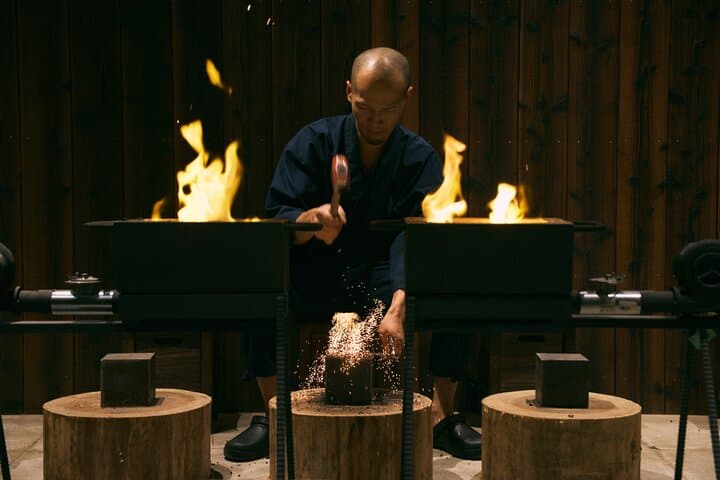
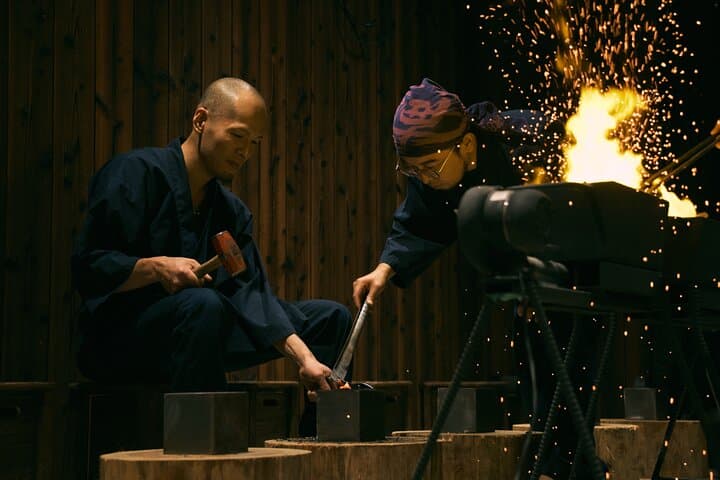
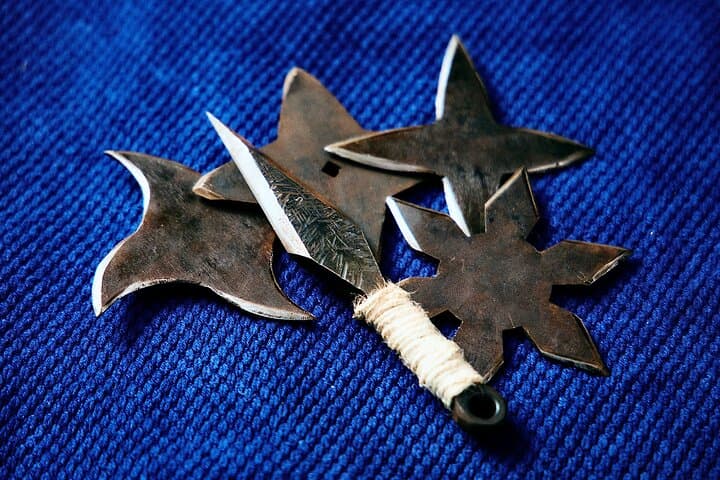
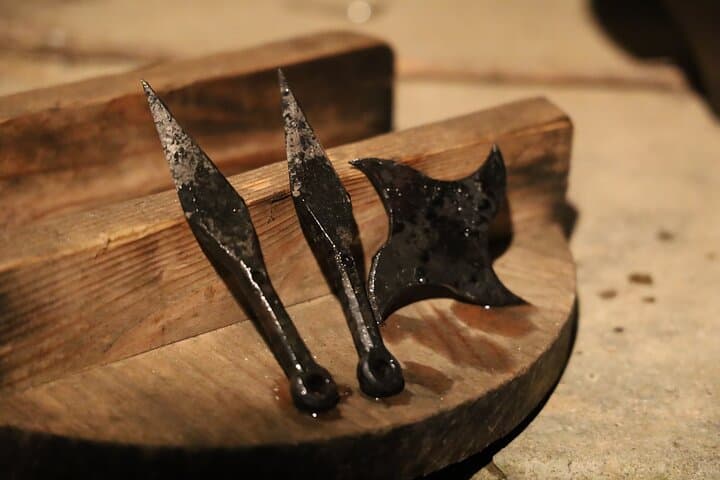
You step into a low-lit studio in central Kyoto, the scent of hot metal and oil sharpening your focus. Craftsmen gesture you into a samue and tenugui; an 800°C furnace glows like a small sun daring you to draw near. Sparks flick outward as the hammer finds rhythm, and the raw sheet begins to take the silhouette of a shuriken or kunai.
You step into a low-lit studio in central Kyoto, the scent of hot metal and oil sharpening your focus. Craftsmen gesture you into a samue and tenugui; an 800°C furnace glows like a small sun daring you to draw near. Sparks flick outward as the hammer finds rhythm, and the raw sheet begins to take the silhouette of a shuriken or kunai.
The practice of forging ties modern workshop craft to centuries-old arms traditions from regions like Iga and Koga, where covert tools were adapted for stealth and survival. Kyoto itself, long the imperial capital, was a hub of artisans and metalworkers who refined techniques later applied in both utilitarian and martial contexts. In the studio you’ll hear short lessons on weapon forms, kanji engraving, and the blackening finish that both protects and darkens the steel.
This is hands-on work: you’ll heat, hammer, sand, and finish a single piece under close supervision. Expect to stand for most of the session and to get your hands and clothes dusty; staff provide specialist tools and may rent protective gear. The experience fits into a half-day schedule and pairs well with a walk through nearby Gion lanes or a visit to a quiet shrine pond to see koi and city birds.
Practical notes: closed-toe shoes and comfortable, washable clothing are essential. Check local laws and airline rules before traveling with sharp metal—workshops typically help you package or certify pieces for display only. Book in advance and arrive with ID; public transport access is convenient from central Kyoto stations.