THE ADVENTURE COLLECTIVE® · Independent discovery and booking for outdoor travel

Swap Mount Lavinia’s shoreline for a granite outcrop in the forest: Kodigahakanda’s bolted routes offer sharp footwork, steady slabs and guided instruction for new and seasoned climbers. This half-day trip balances jungle approach, technical climbing and practical logistics for travelers based near Colombo.
Swap Mount Lavinia’s shoreline for a granite outcrop in the forest: Kodigahakanda’s bolted routes offer sharp footwork, steady slabs and guided instruction for new and seasoned climbers. This half-day trip balances jungle approach, technical climbing and practical logistics for travelers based near Colombo.
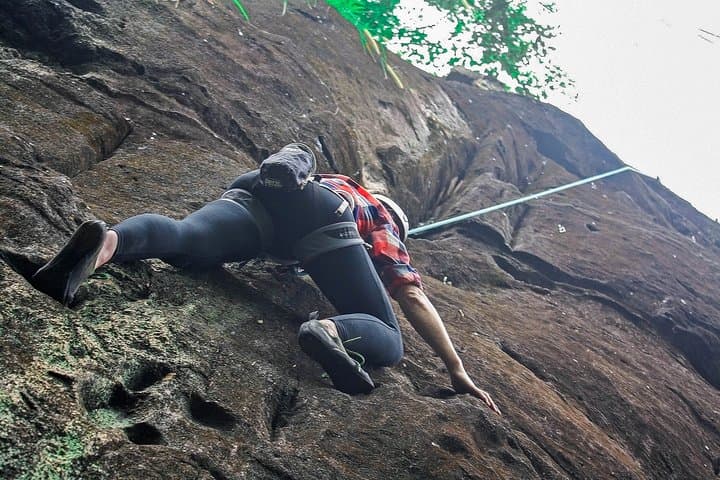
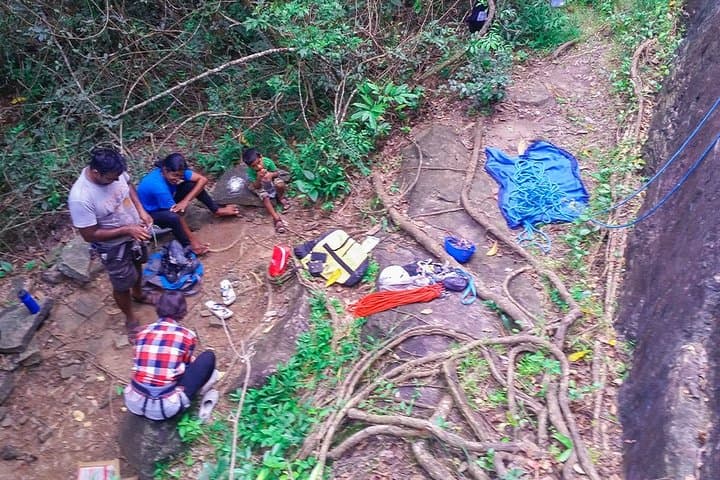
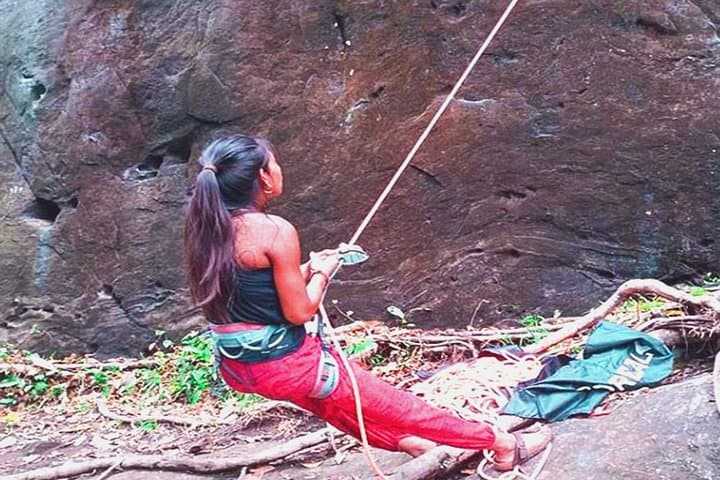
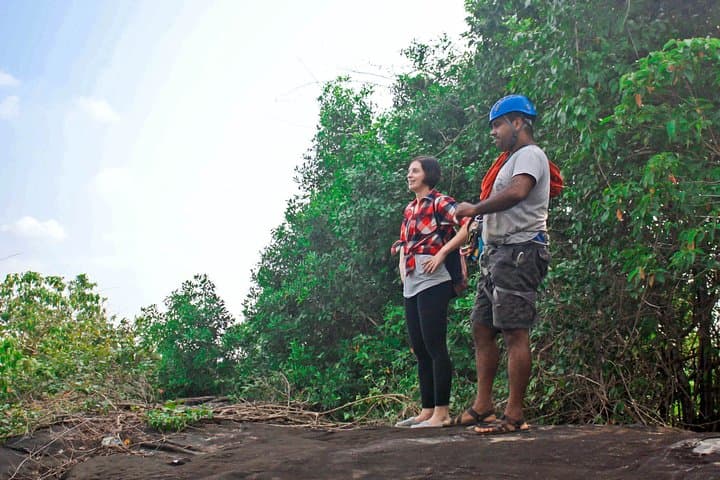
A morning van pulls away from Mount Lavinia before the traffic thickens, leaving the coastal glare for a narrow ribbon of road that threads into low, humid forest. By the time the city’s din fades, a weathered granite outcrop rises out of the trees like a stone island. Climbers gather at the base; guides unpack ropes and chalk while birds treat the canopy like a lookout post. The rock faces here—known locally as Kodigahakanda—are compact, coarse, and honest: they test balance more than brute strength and reward careful footwork.
Verified experiences and guided adventures in the surrounding area.
Operated by Lakpura LLC · Mount Lavinia, Western Province
A morning van pulls away from Mount Lavinia before the traffic thickens, leaving the coastal glare for a narrow ribbon of road that threads into low, humid forest. By the time the city’s din fades, a weathered granite outcrop rises out of the trees like a stone island. Climbers gather at the base; guides unpack ropes and chalk while birds treat the canopy like a lookout post. The rock faces here—known locally as Kodigahakanda—are compact, coarse, and honest: they test balance more than brute strength and reward careful footwork.
The climbing area sits roughly 40 km from Colombo, a travel corridor that has shaped the island’s relationship with its interior forests since colonial times. Mount Lavinia, the pickup point for most visitors, is itself a slice of 19th-century history named after a governor's famed companion; the road inland traces routes older than those hotels, following waterways and trade paths carved into the western lowlands.
Geologically, Kodigahakanda is a pocket of Precambrian gneiss and granite—rock that has weathered into clean edges, shallow pockets and slabby faces. The site offers eight bolted routes graded approximately 5C to 7B, a range that suits newcomers willing to learn and strong sport climbers seeking a short, focused push. Culturally, the climb is framed by village life: a tea vendor might sell fresh cups at the trailhead and children will watch from a respectful distance, fascinated by harnesses and chalk clouds.
Practically, expect a half-day commitment. The operator runs morning and afternoon sessions; climbing itself lasts around 1.5–2 hours within a scheduled 4–5 hour excursion that includes transfers. Guides supply helmets, harnesses, climbing shoes, a first-aid kit and one bottled water per person, but come prepared: wear grippy approach shoes for the walk, bring sun protection and insect repellent for the short approaches through bushy trails. Hydrate well before the ascent—Sri Lanka’s heat pushes you faster than you think.
Safety is straightforward but non-negotiable: listen closely during the belay briefing, tie in with the guide’s confirmation, and avoid overreaching on unfamiliar grades. For photographers, early morning light paints the slab in warm contrast and the forest edges frame the rock like a stage—capture climbers on the lower third to show scale. This climb is an entry point to Sri Lankan outdoor adventure: simple logistics, stark rock, and the steady rhythm of a day spent trading city heat for stone and shade.
challenging.
4–5 hours.
Moderate fitness is required: expect short hikes, standing in harness and climbing for 1.5–2 hours; cardio and leg strength help.
The transfer is roughly 1.5 hours (about 40 km) depending on traffic; operators collect from Mount Lavinia hotels 30 minutes before departure.
No—professional guides lead all routes and provide instruction; however, basic fitness and familiarity with heights help.
There are eight bolted routes ranging roughly from 5C to 7B, offering options for beginners to intermediate sport climbers.
Yes—helmets, harnesses, climbing shoes, a first-aid kit and one water bottle are included in the price.
Facilities are minimal; plan accordingly and use facilities at pickup or in nearby towns before the approach.
Children can join if they're comfortable with physical activity and pass the guide’s safety assessment; operators state the activity suits a wide age range.
Mount Lavinia—used as the pickup hub—is historically linked to colonial-era governance and social life; inland routes once followed trade paths connecting coastal towns to interior communities.
The climbing area sits at the edge of a sanctuary; minimize chalk smearing, avoid creating new anchors and pack out all trash to protect fragile vegetation and nesting birds.
Lakpura LLC operates guided outdoor trips and adventures with an emphasis on safety, stewardship, and memorable experiences.
A morning van pulls away from Mount Lavinia before the traffic thickens, leaving the coastal glare for a narrow ribbon of road that threads into low, humid forest. By the time the city’s din fades, a weathered granite outcrop rises out of the trees like a stone island. Climbers gather at the base; guides unpack ropes and chalk while birds treat the canopy like a lookout post. The rock faces here—known locally as Kodigahakanda—are compact, coarse, and honest: they test balance more than brute strength and reward careful footwork.
A morning van pulls away from Mount Lavinia before the traffic thickens, leaving the coastal glare for a narrow ribbon of road that threads into low, humid forest. By the time the city’s din fades, a weathered granite outcrop rises out of the trees like a stone island. Climbers gather at the base; guides unpack ropes and chalk while birds treat the canopy like a lookout post. The rock faces here—known locally as Kodigahakanda—are compact, coarse, and honest: they test balance more than brute strength and reward careful footwork.
The climbing area sits roughly 40 km from Colombo, a travel corridor that has shaped the island’s relationship with its interior forests since colonial times. Mount Lavinia, the pickup point for most visitors, is itself a slice of 19th-century history named after a governor's famed companion; the road inland traces routes older than those hotels, following waterways and trade paths carved into the western lowlands.
Geologically, Kodigahakanda is a pocket of Precambrian gneiss and granite—rock that has weathered into clean edges, shallow pockets and slabby faces. The site offers eight bolted routes graded approximately 5C to 7B, a range that suits newcomers willing to learn and strong sport climbers seeking a short, focused push. Culturally, the climb is framed by village life: a tea vendor might sell fresh cups at the trailhead and children will watch from a respectful distance, fascinated by harnesses and chalk clouds.
Practically, expect a half-day commitment. The operator runs morning and afternoon sessions; climbing itself lasts around 1.5–2 hours within a scheduled 4–5 hour excursion that includes transfers. Guides supply helmets, harnesses, climbing shoes, a first-aid kit and one bottled water per person, but come prepared: wear grippy approach shoes for the walk, bring sun protection and insect repellent for the short approaches through bushy trails. Hydrate well before the ascent—Sri Lanka’s heat pushes you faster than you think.
Safety is straightforward but non-negotiable: listen closely during the belay briefing, tie in with the guide’s confirmation, and avoid overreaching on unfamiliar grades. For photographers, early morning light paints the slab in warm contrast and the forest edges frame the rock like a stage—capture climbers on the lower third to show scale. This climb is an entry point to Sri Lankan outdoor adventure: simple logistics, stark rock, and the steady rhythm of a day spent trading city heat for stone and shade.