THE ADVENTURE COLLECTIVE® · Independent discovery and booking for outdoor travel

Move slowly among towering coast redwoods at Nisene Marks State Park during a guided forest-bathing session. This 2.5-hour experience blends gentle walking, sensory exercises, and quiet reflection—ideal for travelers seeking restoration and a deeper connection to Sonoma’s coastal forest.
Move slowly among towering coast redwoods at Nisene Marks State Park during a guided forest-bathing session. This 2.5-hour experience blends gentle walking, sensory exercises, and quiet reflection—ideal for travelers seeking restoration and a deeper connection to Sonoma’s coastal forest.
You step off the gravel and into an immediate hush: giant coast redwoods press skyward, their trunks ribbed and cool, and shafts of light slice through a high canopy. The forest’s scent—earth, resin, damp moss—seems to slow your breath. Over the next two-and-a-half hours a guide leads a small group through old growth pockets and shaded creekside corridors, alternating short, silent pauses with gentle prompts that focus attention on breath, textures, and sound.
Verified experiences and guided adventures in the surrounding area.
Operated by Alexander Pappas · Aptos, California
You step off the gravel and into an immediate hush: giant coast redwoods press skyward, their trunks ribbed and cool, and shafts of light slice through a high canopy. The forest’s scent—earth, resin, damp moss—seems to slow your breath. Over the next two-and-a-half hours a guide leads a small group through old growth pockets and shaded creekside corridors, alternating short, silent pauses with gentle prompts that focus attention on breath, textures, and sound.
The landscape here bears human history: the park contains the scars of 19th- and early-20th-century logging—old roads and cut stumps—overlain by regrowth that transformed the terrain into a second-growth redwood forest. Geologically, Nisene Marks sits on the Coastal Range’s marine terraces and steep ravines carved by seasonal creeks; the silty, well-drained soils support towering Sequoia sempervirens and a dense understory. This is Ohlone/Awaswas ancestral land, and the forest has cultural ties to communities that used its resources for millennia.
Practically, the experience emphasizes mindfulness rather than distance or pace: expect low-impact walking on dirt and roots, several seated or standing sensory exercises, and quiet reflection. The group is small and private; guides recommend morning visits for cooler air and active birdlife. Wear grippy shoes, layers, and bring water; phones are encouraged to be silent or stowed. The session is suitable for most fitness levels but involves uneven footing and short uphill pitches. Leave no trace, respect wildlife (banana slugs and songbirds are common), and plan travel time—parking and the entrance station can be busy on weekends. Forest bathing here is restorative, quiet, and structured to help you reconnect with the redwood forest without the pressure of a long hike.
easy.
2–3 hours.
Suitable for most fitness levels; participants should be able to walk on uneven ground for up to 2.5 hours with short pauses.
Meet at the Nisene Marks State Park Entrance Station—your booking confirmation and guide will list the exact meeting point and instructions.
Only service animals are permitted during this activity; regular pets are not allowed to maintain a calm environment for all participants.
Yes; the session is low-impact and designed for all physical levels, though participants should be able to manage short, uneven trails and follow quiet, guided exercises.
Tours may be canceled for heavy rain; light rain often proceeds if conditions are safe—check cancellation and refund policy and bring appropriate rain gear.
Much of the park regrew after intensive logging in the late 19th and early 20th centuries; the protected lands were later set aside to conserve redwood stands and watershed areas.
Trails are fragile—stay on marked paths, pack out waste, and avoid disturbing moss, lichens, and fallen wood to protect soil and regeneration.
Alexander Pappas operates guided outdoor trips and adventures with an emphasis on safety, stewardship, and memorable experiences.
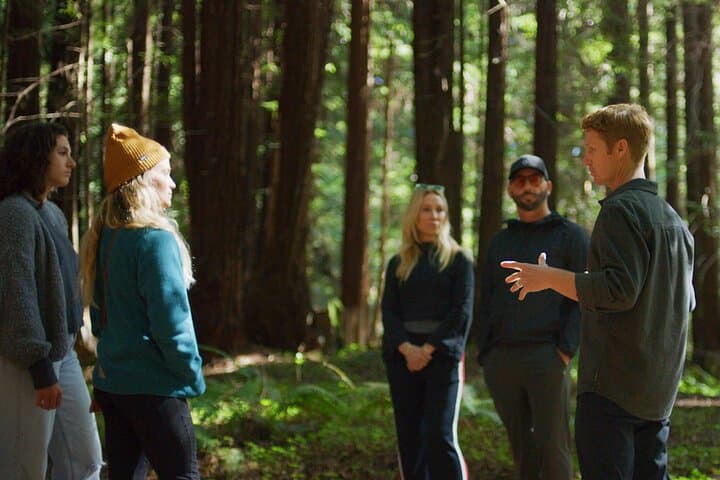
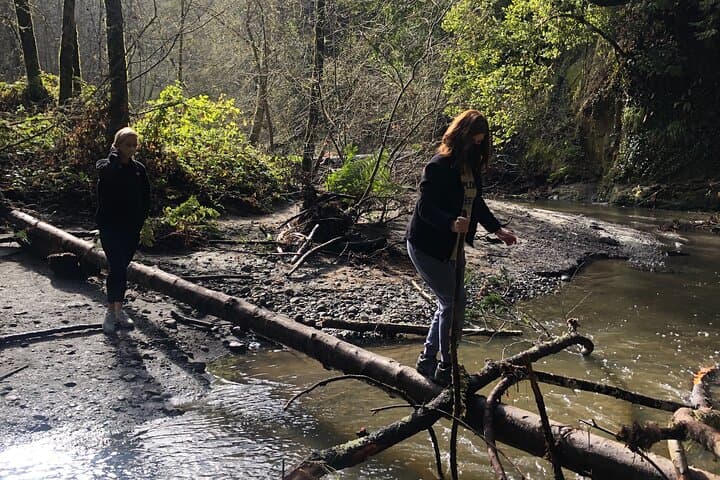
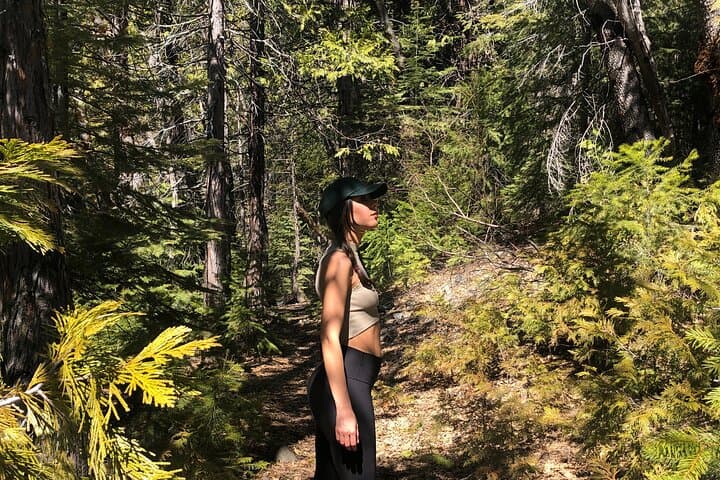
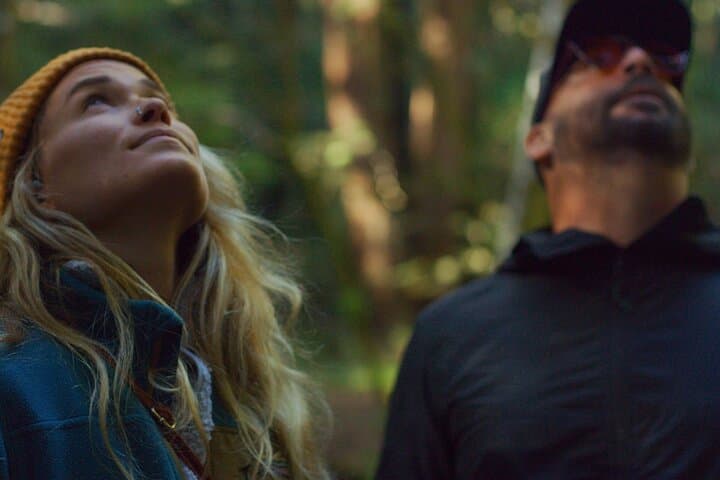
You step off the gravel and into an immediate hush: giant coast redwoods press skyward, their trunks ribbed and cool, and shafts of light slice through a high canopy. The forest’s scent—earth, resin, damp moss—seems to slow your breath. Over the next two-and-a-half hours a guide leads a small group through old growth pockets and shaded creekside corridors, alternating short, silent pauses with gentle prompts that focus attention on breath, textures, and sound.
You step off the gravel and into an immediate hush: giant coast redwoods press skyward, their trunks ribbed and cool, and shafts of light slice through a high canopy. The forest’s scent—earth, resin, damp moss—seems to slow your breath. Over the next two-and-a-half hours a guide leads a small group through old growth pockets and shaded creekside corridors, alternating short, silent pauses with gentle prompts that focus attention on breath, textures, and sound.
The landscape here bears human history: the park contains the scars of 19th- and early-20th-century logging—old roads and cut stumps—overlain by regrowth that transformed the terrain into a second-growth redwood forest. Geologically, Nisene Marks sits on the Coastal Range’s marine terraces and steep ravines carved by seasonal creeks; the silty, well-drained soils support towering Sequoia sempervirens and a dense understory. This is Ohlone/Awaswas ancestral land, and the forest has cultural ties to communities that used its resources for millennia.
Practically, the experience emphasizes mindfulness rather than distance or pace: expect low-impact walking on dirt and roots, several seated or standing sensory exercises, and quiet reflection. The group is small and private; guides recommend morning visits for cooler air and active birdlife. Wear grippy shoes, layers, and bring water; phones are encouraged to be silent or stowed. The session is suitable for most fitness levels but involves uneven footing and short uphill pitches. Leave no trace, respect wildlife (banana slugs and songbirds are common), and plan travel time—parking and the entrance station can be busy on weekends. Forest bathing here is restorative, quiet, and structured to help you reconnect with the redwood forest without the pressure of a long hike.