THE ADVENTURE COLLECTIVE® · Independent discovery and booking for outdoor travel

Spend a day hiking the Buena Vista trail, exploring tropical dry forest, then glide through Morro’s mangroves by boat. This full-day tour from Guayaquil blends wildlife viewing, a cocoa plantation visit and hands-on cultural insights.
Spend a day hiking the Buena Vista trail, exploring tropical dry forest, then glide through Morro’s mangroves by boat. This full-day tour from Guayaquil blends wildlife viewing, a cocoa plantation visit and hands-on cultural insights.
You step off the van into heat that smells of salt and dry leaf mulch — the trailhead opens on a belt of tropical dry forest where low, knotted trees throw sharp shadows. The Buena Vista trail threads through open canopy and scrub, each footfall stirring up the quiet: a whir of insects, a distant heron calling from the estuary.
Verified experiences and guided adventures in the surrounding area.
Operated by Yamil Saman Cabrera · Guayaquil, Guayas
You step off the van into heat that smells of salt and dry leaf mulch — the trailhead opens on a belt of tropical dry forest where low, knotted trees throw sharp shadows. The Buena Vista trail threads through open canopy and scrub, each footfall stirring up the quiet: a whir of insects, a distant heron calling from the estuary.
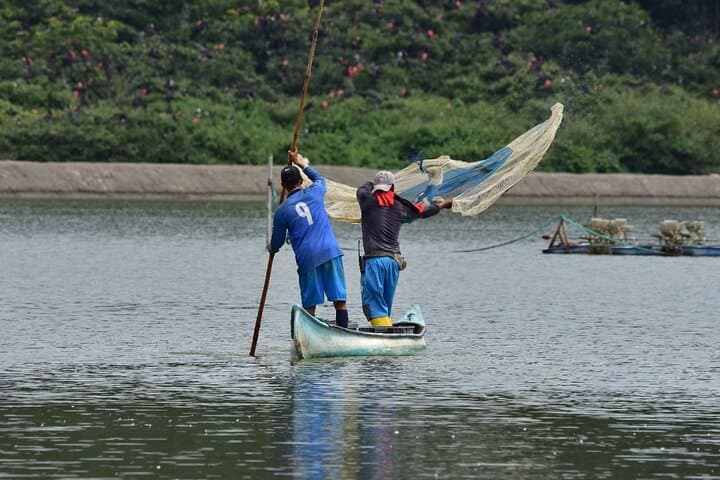
This protected area of roughly 6,078 hectares preserves coastal dry forest and a mosaic of mangrove estuaries. Geologically the coast is a low, sedimentary plain where rivers deposit silts that feed dense mangrove roots; culturally, fishing and cocoa cultivation shape local livelihoods and the tour includes a working cocoa plantation where traditional roasting and drying tools are still in use.
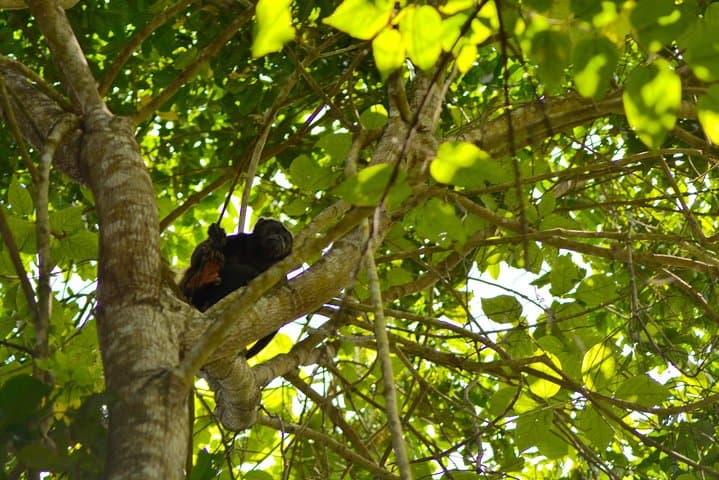
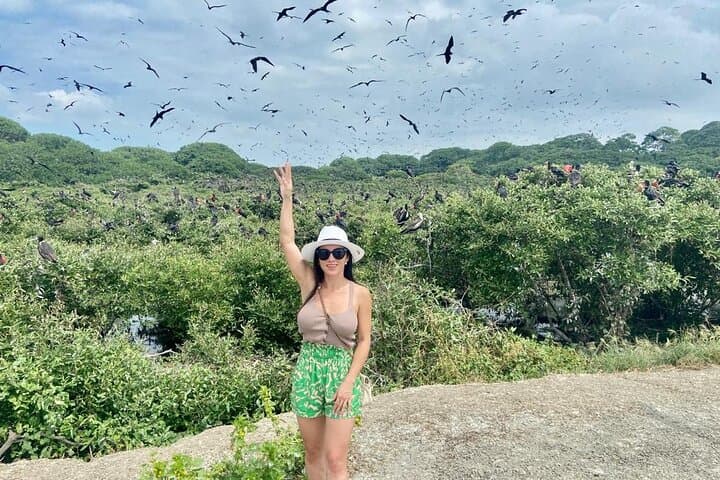
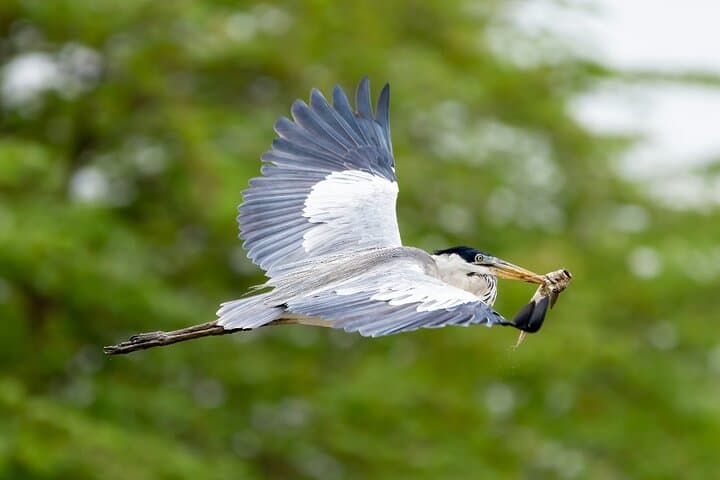
Wildlife is the main attraction: expect resident and migratory birds — cocoi heron, magnificent frigate, roseate spoonbill — plus small mammals and reptiles that use the dry forest and tidal flats. The estuary at Morro becomes an active, warm corridor as you board a small boat for about two hours of navigation through red, white and black mangroves whose tangled roots hold the shoreline together.
Practical guidance: wear sturdy, closed-toe shoes for sandy, sometimes muddy trails; bring sun protection and insect repellent; carry water and a light rain shell—conditions can switch quickly. The day runs about seven hours with moderate walking (roughly 1.5 hours on trail) and an interpretive boat ride; the tour suits travelers comfortable with moderate exertion and curious about coastal ecology. Time your visit for the morning when birds are most active and the estuary is calm.
moderate.
6–7 hours.
Moderately fit—able to walk 1–2 hours on uneven terrain and tolerate boat transfers
The Buena Vista trail segment is about 1.5 hours of mostly gentle walking with some uneven ground; it’s rated moderate due to duration and heat rather than steep terrain.
Yes — the estuary boat brings you near feeding and roosting sites for herons, ibises and frigatebirds, though respectful distance is maintained to avoid disturbance.
The boat navigates calm estuarine waters for about two hours; those prone to motion sickness should bring medication or choose a seat near the center for less motion.
Minimum age is typically 15; the tour is not recommended for pregnant travelers or people with significant cardiovascular issues due to physical demands and boat travel.
Local communities have combined small-scale fishing and cocoa farming for generations; cocoa processing techniques on the plantation reflect colonial-era and local adaptations.
The protected forest and mangroves are crucial for coastal erosion control and as nurseries for fish; visitors are asked to stick to trails and avoid disturbing nesting birds.
Yamil Saman Cabrera operates guided outdoor trips and adventures with an emphasis on safety, stewardship, and memorable experiences.
You step off the van into heat that smells of salt and dry leaf mulch — the trailhead opens on a belt of tropical dry forest where low, knotted trees throw sharp shadows. The Buena Vista trail threads through open canopy and scrub, each footfall stirring up the quiet: a whir of insects, a distant heron calling from the estuary.
You step off the van into heat that smells of salt and dry leaf mulch — the trailhead opens on a belt of tropical dry forest where low, knotted trees throw sharp shadows. The Buena Vista trail threads through open canopy and scrub, each footfall stirring up the quiet: a whir of insects, a distant heron calling from the estuary.
This protected area of roughly 6,078 hectares preserves coastal dry forest and a mosaic of mangrove estuaries. Geologically the coast is a low, sedimentary plain where rivers deposit silts that feed dense mangrove roots; culturally, fishing and cocoa cultivation shape local livelihoods and the tour includes a working cocoa plantation where traditional roasting and drying tools are still in use.
Wildlife is the main attraction: expect resident and migratory birds — cocoi heron, magnificent frigate, roseate spoonbill — plus small mammals and reptiles that use the dry forest and tidal flats. The estuary at Morro becomes an active, warm corridor as you board a small boat for about two hours of navigation through red, white and black mangroves whose tangled roots hold the shoreline together.
Practical guidance: wear sturdy, closed-toe shoes for sandy, sometimes muddy trails; bring sun protection and insect repellent; carry water and a light rain shell—conditions can switch quickly. The day runs about seven hours with moderate walking (roughly 1.5 hours on trail) and an interpretive boat ride; the tour suits travelers comfortable with moderate exertion and curious about coastal ecology. Time your visit for the morning when birds are most active and the estuary is calm.