THE ADVENTURE COLLECTIVE® · Independent discovery and booking for outdoor travel

Explore the Forbidden City with a local guide who turns the palace's vast courtyards and hidden chambers into a concise four-hour narrative. Learn architecture, imperial ritual and practical tips to navigate this 72-hectare UNESCO site.
Explore the Forbidden City with a local guide who turns the palace's vast courtyards and hidden chambers into a concise four-hour narrative. Learn architecture, imperial ritual and practical tips to navigate this 72-hectare UNESCO site.
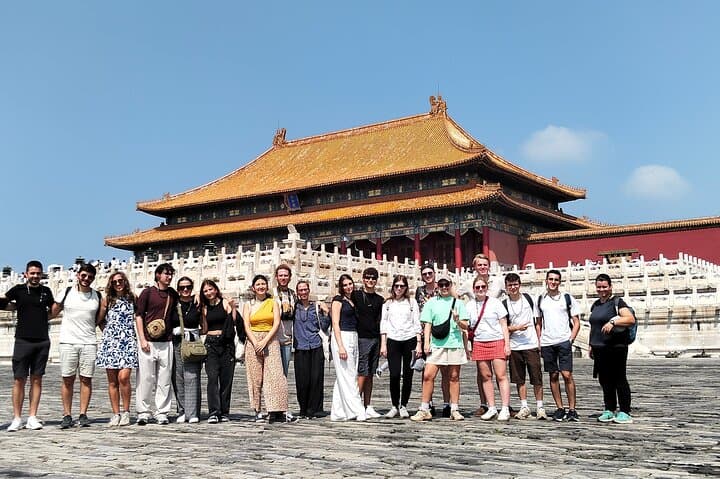
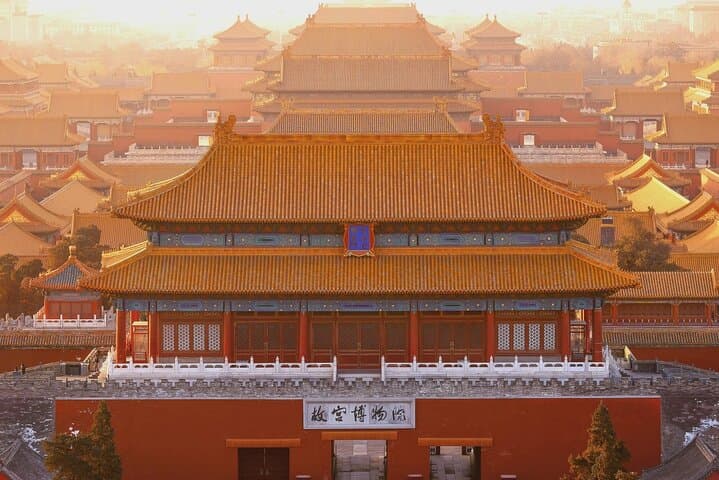
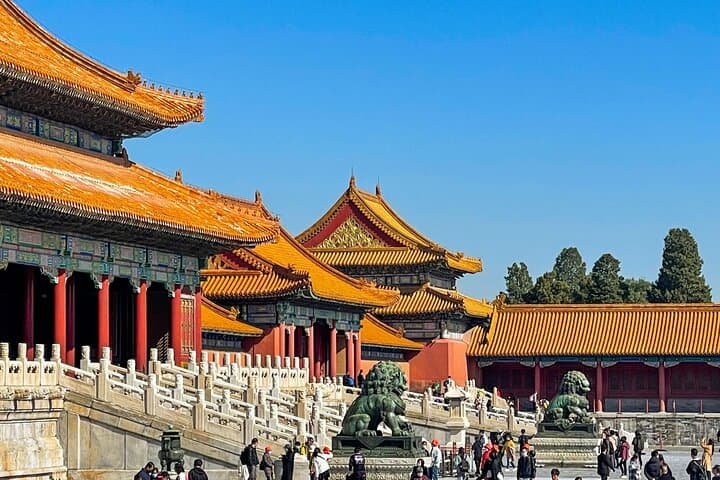
Morning light cuts across a sea of red walls and gilded roofs as a guide leads a small group under the Meridian Gate, the city’s ceremonial throat. The stone courtyards echo with footsteps; lacquered beams and carved dragons reward those who look up. This is a walking tour of the Forbidden City — four hours that convert imperial scale into human stories.
Verified experiences and guided adventures in the surrounding area.
Operated by beijingtourcompany · Beijing, Beijing
Morning light cuts across a sea of red walls and gilded roofs as a guide leads a small group under the Meridian Gate, the city’s ceremonial throat. The stone courtyards echo with footsteps; lacquered beams and carved dragons reward those who look up. This is a walking tour of the Forbidden City — four hours that convert imperial scale into human stories.
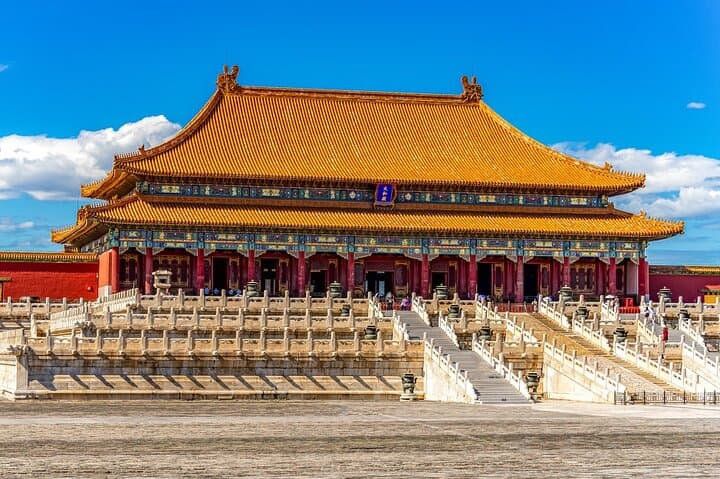
Built between 1406 and 1420, the palace complex served as China’s political center through the Ming and Qing dynasties. Its wooden halls, raised platforms and axial symmetry speak to a worldview where architecture enforced rank. Guides point out the Hall of Supreme Harmony’s ceremonial platform, the hidden chambers of the imperial harem and the quiet Imperial Garden where officials once walked between audiences.
Geology here is flat northern plain; construction emphasis is on timber framing, ceramic roof tiles and massive stone bases rather than elevation. Culturally, expect commentary on feng shui principles, dynastic ritual and the transition from imperial rule to a modern museum.
Practically: the tour covers roughly 72 hectares of pathways and steps and moves at an easy pace but includes uphill ramps and thresholds. Wear comfortable shoes, carry water and a passport for ticket verification. Early departures avoid the largest crowds; afternoon options can pair with Beihai Park or Tiananmen Square. The operator handles ticket prebooking and entry logistics, but visitors should be prepared for security checks and brief queues. Photographs are allowed in most outdoor areas; treat artifacts and interior exhibits with care. For travelers who like architecture and history, this is an efficient, well-guided way to turn a sprawling site into a coherent half-day exploration.
easy.
4 hours.
Suitable for most fitness levels; requires standing and walking up to several kilometers over paved and stone surfaces.
Yes. Passport information is collected for ticketing; bring the same ID you used to book for verification at entry.
Parts of the complex and transport options are wheelchair accessible, but the large site includes slopes, thresholds and areas where pushing a wheelchair requires effort; contact the operator for specific accessibility arrangements.
Yes. The operator prebooks entrance tickets and manages entry logistics to minimize wait times, though security checks and brief queues remain possible.
Yes. Many options pair the Forbidden City with Tiananmen Square, Beihai Park or the Temple of Heaven; check itineraries and meeting points when booking.
Constructed 1406–1420, the Forbidden City was the political and ritual center for 24 emperors of the Ming and Qing dynasties and is now a UNESCO World Heritage site housing the Palace Museum.
The Palace Museum manages visitor flows and preservation efforts; follow signage, avoid touching artifacts and stay on designated paths to reduce wear on ancient materials.
beijingtourcompany operates guided outdoor trips and adventures with an emphasis on safety, stewardship, and memorable experiences.
Morning light cuts across a sea of red walls and gilded roofs as a guide leads a small group under the Meridian Gate, the city’s ceremonial throat. The stone courtyards echo with footsteps; lacquered beams and carved dragons reward those who look up. This is a walking tour of the Forbidden City — four hours that convert imperial scale into human stories.
Morning light cuts across a sea of red walls and gilded roofs as a guide leads a small group under the Meridian Gate, the city’s ceremonial throat. The stone courtyards echo with footsteps; lacquered beams and carved dragons reward those who look up. This is a walking tour of the Forbidden City — four hours that convert imperial scale into human stories.
Built between 1406 and 1420, the palace complex served as China’s political center through the Ming and Qing dynasties. Its wooden halls, raised platforms and axial symmetry speak to a worldview where architecture enforced rank. Guides point out the Hall of Supreme Harmony’s ceremonial platform, the hidden chambers of the imperial harem and the quiet Imperial Garden where officials once walked between audiences.
Geology here is flat northern plain; construction emphasis is on timber framing, ceramic roof tiles and massive stone bases rather than elevation. Culturally, expect commentary on feng shui principles, dynastic ritual and the transition from imperial rule to a modern museum.
Practically: the tour covers roughly 72 hectares of pathways and steps and moves at an easy pace but includes uphill ramps and thresholds. Wear comfortable shoes, carry water and a passport for ticket verification. Early departures avoid the largest crowds; afternoon options can pair with Beihai Park or Tiananmen Square. The operator handles ticket prebooking and entry logistics, but visitors should be prepared for security checks and brief queues. Photographs are allowed in most outdoor areas; treat artifacts and interior exhibits with care. For travelers who like architecture and history, this is an efficient, well-guided way to turn a sprawling site into a coherent half-day exploration.