THE ADVENTURE COLLECTIVE® · Independent discovery and booking for outdoor travel

A focused, four‑hour private tour pairs the political scale of Tiananmen Square with the intimate splendor of the Forbidden City and a visit to the Clock Museum. Perfect for travelers short on time who want a guided walk through Beijing’s imperial core.
A focused, four‑hour private tour pairs the political scale of Tiananmen Square with the intimate splendor of the Forbidden City and a visit to the Clock Museum. Perfect for travelers short on time who want a guided walk through Beijing’s imperial core.
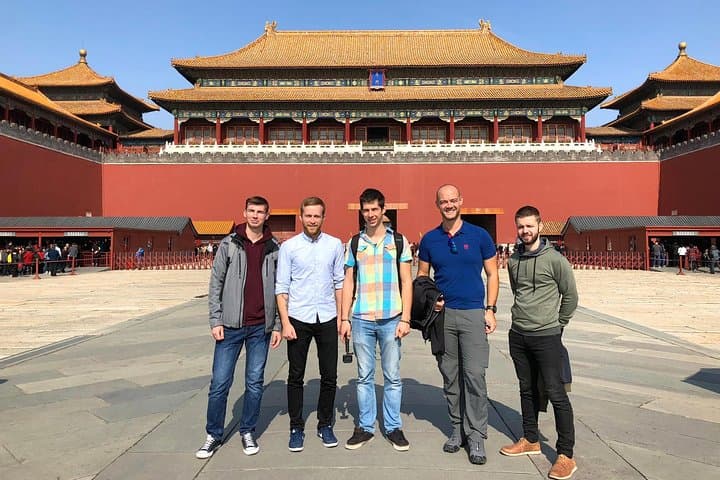
Stand beneath the vast sweep of Tiananmen Square and feel the city inhale — traffic hums at the edge of the plaza while the Monument to the People’s Heroes punctuates the open air. A private guide meets you at your hotel, leads you through the square’s political stage, then funnels you under the Gate of Heavenly Peace into the shaded courtyards of the Forbidden City.
Verified experiences and guided adventures in the surrounding area.
Operated by Sunflower Tours China · Beijing, Beijing
Stand beneath the vast sweep of Tiananmen Square and feel the city inhale — traffic hums at the edge of the plaza while the Monument to the People’s Heroes punctuates the open air. A private guide meets you at your hotel, leads you through the square’s political stage, then funnels you under the Gate of Heavenly Peace into the shaded courtyards of the Forbidden City.
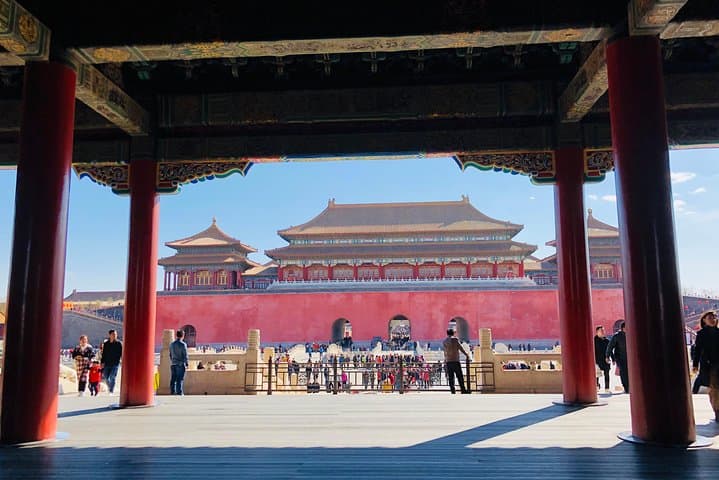
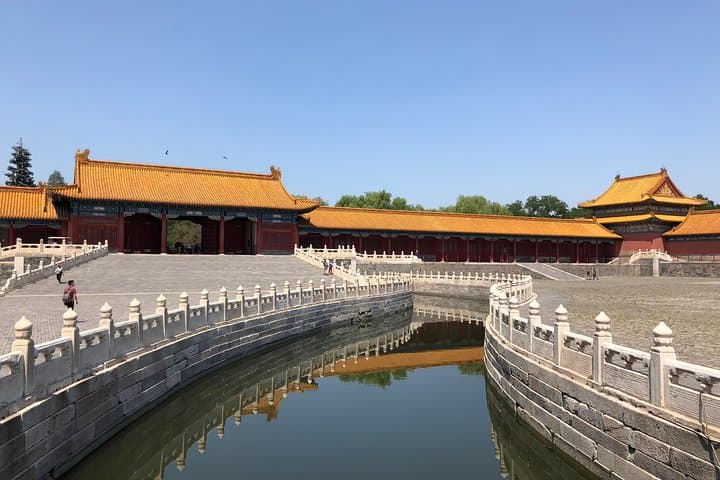
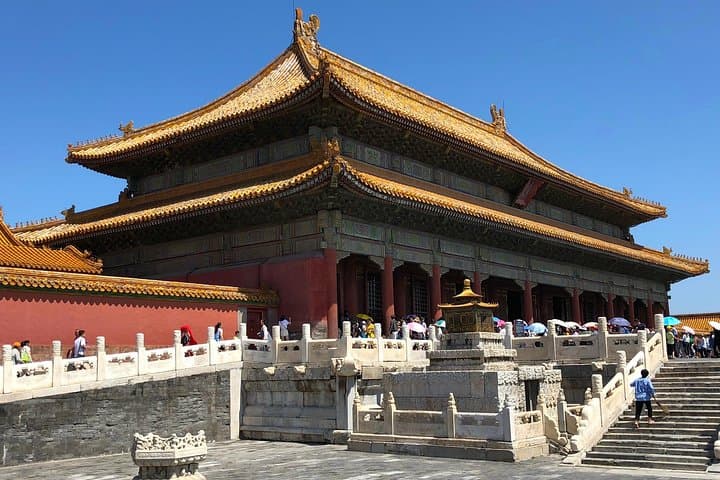
The Forbidden City was the imperial heart of Ming and Qing dynasties from 1420 to 1912; its timber halls, glazed tiles and carved brackets are built on the flat sediments of the North China Plain. The palace is as much an archive of statecraft as architecture: ceremonial halls, private chambers, and a compact imperial garden reveal how power worked in both public spectacle and quiet ritual. The Clock Museum houses imported and Chinese timepieces that track cultural exchange and court luxury.
Expect wide stone courtyards, long lines if tickets aren’t prebooked, and pockets of quiet in rear pavilions. Cultural context matters — your guide will explain court titles, examination systems, and 20th‑century reforms while you move from the Great Hall of Supreme Harmony to the smaller, intimate spaces that once hosted banquets and examinations.
Practical guidance: book at least eight days ahead as required, wear comfortable shoes for three hours of walking on stone pavements, carry water and a compact power bank, and plan travel time between hotel and central Beijing. Morning slots cut glare and crowds; late afternoon can be quieter in the inner courtyards. Bring your passport for ticket checks and avoid large backpacks inside exhibition halls.
easy.
4 hours.
Moderate: you should be comfortable walking 2–4 miles on mostly flat stone surfaces and climbing short flights of stairs.
Yes—this tour requires advance booking (note: the operator specifies booking at least eight days before your visit). Tickets are timed-entry and sold in limited quantities.
Pickup and drop-off options are offered; confirm during booking and provide your hotel details for door-to-door transfer.
The Forbidden City has many steps and uneven stone paths; travelers with limited mobility should contact the operator to discuss possible adjustments or alternative routing.
Small snacks are okay, but large backpacks may be restricted in exhibition rooms; follow site rules and guide instructions.
The Forbidden City served as the imperial palace for the Ming and Qing dynasties from 1420 until the 1912 abdication; Tiananmen Square is the modern civic plaza that frames 20th‑century political history.
High visitor volumes require strict preservation measures—stay on marked paths, avoid touching artifacts, and dispose of waste in city bins to reduce wear on historic fabric.
Sunflower Tours China operates guided outdoor trips and adventures with an emphasis on safety, stewardship, and memorable experiences.
Stand beneath the vast sweep of Tiananmen Square and feel the city inhale — traffic hums at the edge of the plaza while the Monument to the People’s Heroes punctuates the open air. A private guide meets you at your hotel, leads you through the square’s political stage, then funnels you under the Gate of Heavenly Peace into the shaded courtyards of the Forbidden City.
Stand beneath the vast sweep of Tiananmen Square and feel the city inhale — traffic hums at the edge of the plaza while the Monument to the People’s Heroes punctuates the open air. A private guide meets you at your hotel, leads you through the square’s political stage, then funnels you under the Gate of Heavenly Peace into the shaded courtyards of the Forbidden City.
The Forbidden City was the imperial heart of Ming and Qing dynasties from 1420 to 1912; its timber halls, glazed tiles and carved brackets are built on the flat sediments of the North China Plain. The palace is as much an archive of statecraft as architecture: ceremonial halls, private chambers, and a compact imperial garden reveal how power worked in both public spectacle and quiet ritual. The Clock Museum houses imported and Chinese timepieces that track cultural exchange and court luxury.
Expect wide stone courtyards, long lines if tickets aren’t prebooked, and pockets of quiet in rear pavilions. Cultural context matters — your guide will explain court titles, examination systems, and 20th‑century reforms while you move from the Great Hall of Supreme Harmony to the smaller, intimate spaces that once hosted banquets and examinations.
Practical guidance: book at least eight days ahead as required, wear comfortable shoes for three hours of walking on stone pavements, carry water and a compact power bank, and plan travel time between hotel and central Beijing. Morning slots cut glare and crowds; late afternoon can be quieter in the inner courtyards. Bring your passport for ticket checks and avoid large backpacks inside exhibition halls.