THE ADVENTURE COLLECTIVE® · Independent discovery and booking for outdoor travel

Walk the Forbidden City’s central axis with an expert guide and a focused visit to the Royal Treasure Museum. This four-hour small-group tour pairs grand ceremonial halls with intimate galleries of imperial gold and jade.
Walk the Forbidden City’s central axis with an expert guide and a focused visit to the Royal Treasure Museum. This four-hour small-group tour pairs grand ceremonial halls with intimate galleries of imperial gold and jade.
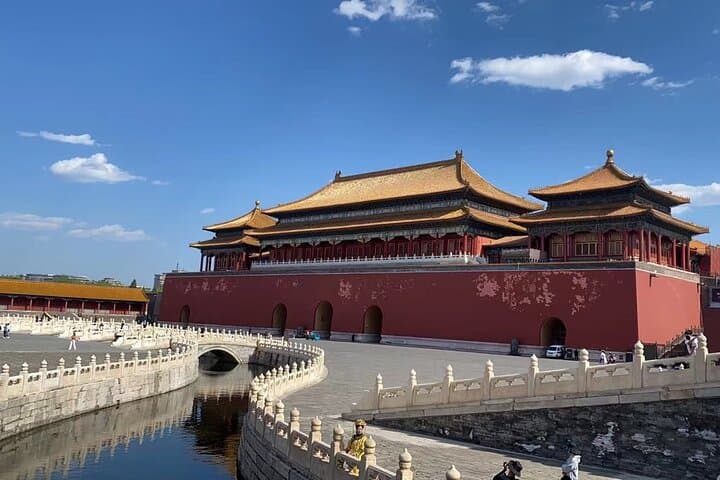
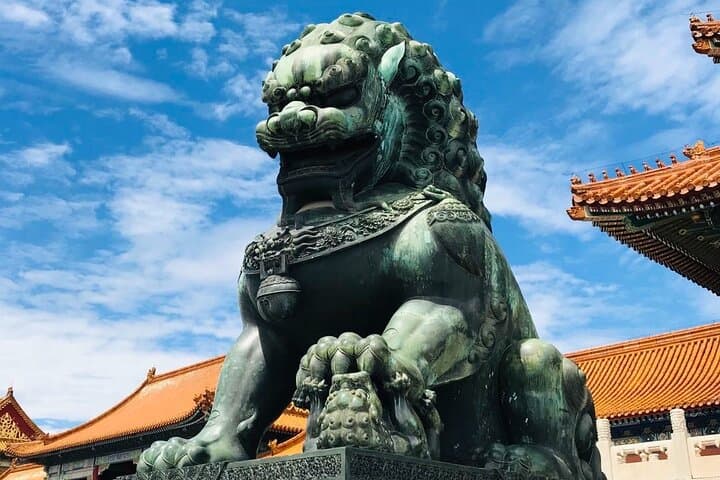
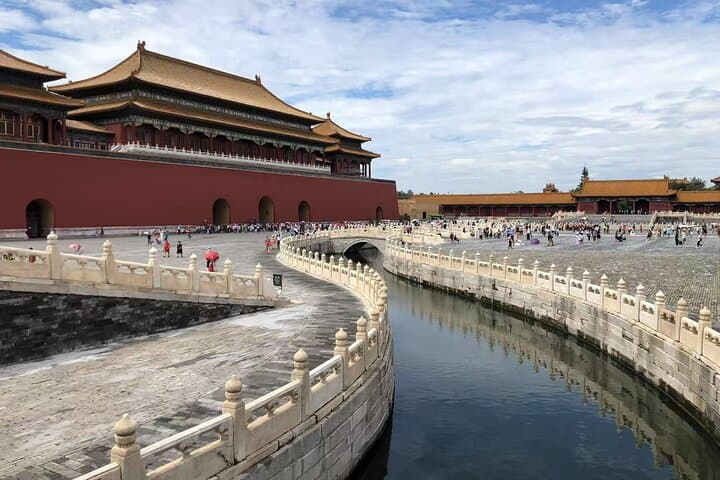
You step through the red-painted Meridian Gate and the air shifts: the noise of the city thins, replaced by the measured pace of courtyards and tiled roofs. Roof ridges curve like scaled waves; crested dragons seem to watch the visitors who thread the central axis that once separated ruler from subject.
Verified experiences and guided adventures in the surrounding area.
Operated by Beijing Shengjing International Travel agency · Beijing, Beijing
You step through the red-painted Meridian Gate and the air shifts: the noise of the city thins, replaced by the measured pace of courtyards and tiled roofs. Roof ridges curve like scaled waves; crested dragons seem to watch the visitors who thread the central axis that once separated ruler from subject.
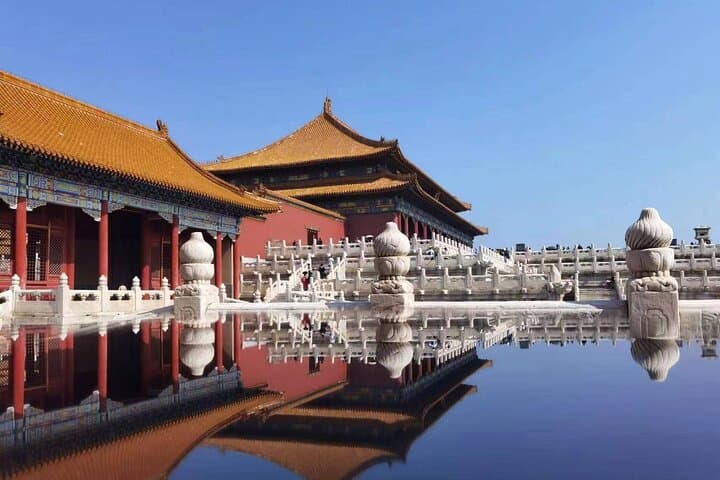
The Forbidden City dates to the early 15th century, built on the flat loess and alluvial soils of the North China Plain and anchored with heavy timber columns and stone platforms. Its axial plan and layered courtyards reflect Ming and Qing ceremony—grand processions in the Hall of Supreme Harmony, private ritual in the Palace of Heavenly Purity. The Royal Treasure Museum in the Ningshou Palace complex houses gold, jade, and court jewelry that illuminate material culture and imperial patronage.
Visitors on this curated four-hour small-group tour move between the major halls and quieter corners: the Hall of Central Harmony’s hushed antechamber, the neat rockeries of the Imperial Garden, then the dim, secure galleries protecting fragile imperial regalia. Guides explain symbolism in color, scale and placement—the emperor’s authority encoded in every bracket and tile.
Practical edge: arrive early via Line 8 to avoid peak crowds and security lines; bags are screened and photography rules vary by exhibit. Wear sturdy, flat shoes for several hours of paved walking and bring a water bottle—the route is exposed in summer and crisp but chilly in winter. The tour includes admission and an English-speaking guide; it’s wheelchair accessible but expect uneven thresholds in older courtyards. Respect signage in museum galleries and allow time afterward to stroll the Tiananmen perimeter for different perspectives of Beijing’s historic center.
easy.
4 hours.
Light walking fitness—able to stand and walk on paved surfaces for several hours
Yes—the tour includes entrance tickets to the Forbidden City and the Royal Treasure Museum as stated in the inclusions.
The tour is listed as wheelchair accessible, though some historic thresholds and thresholds may be uneven—notify the operator of accessibility needs when booking.
Meet near Jinyu Hutong Station (Line 8), Exit C; follow the signs and the guide’s directions to the palace entrance to allow time for security screening.
Photography rules vary by exhibit and some artifacts may be in low-light or behind glass—follow posted signs and the guide’s instructions to avoid flash or restricted areas.
Constructed between 1406–1420 under the Yongle Emperor, the Forbidden City served as imperial palace for the Ming and Qing dynasties and remained China’s political center for nearly 500 years.
Visitor limits and strict conservation rules protect timber structures and fragile artifacts—stay on designated paths, avoid touching carved surfaces, and follow photography restrictions to limit light exposure.
Beijing Shengjing International Travel agency operates guided outdoor trips and adventures with an emphasis on safety, stewardship, and memorable experiences.
You step through the red-painted Meridian Gate and the air shifts: the noise of the city thins, replaced by the measured pace of courtyards and tiled roofs. Roof ridges curve like scaled waves; crested dragons seem to watch the visitors who thread the central axis that once separated ruler from subject.
You step through the red-painted Meridian Gate and the air shifts: the noise of the city thins, replaced by the measured pace of courtyards and tiled roofs. Roof ridges curve like scaled waves; crested dragons seem to watch the visitors who thread the central axis that once separated ruler from subject.
The Forbidden City dates to the early 15th century, built on the flat loess and alluvial soils of the North China Plain and anchored with heavy timber columns and stone platforms. Its axial plan and layered courtyards reflect Ming and Qing ceremony—grand processions in the Hall of Supreme Harmony, private ritual in the Palace of Heavenly Purity. The Royal Treasure Museum in the Ningshou Palace complex houses gold, jade, and court jewelry that illuminate material culture and imperial patronage.
Visitors on this curated four-hour small-group tour move between the major halls and quieter corners: the Hall of Central Harmony’s hushed antechamber, the neat rockeries of the Imperial Garden, then the dim, secure galleries protecting fragile imperial regalia. Guides explain symbolism in color, scale and placement—the emperor’s authority encoded in every bracket and tile.
Practical edge: arrive early via Line 8 to avoid peak crowds and security lines; bags are screened and photography rules vary by exhibit. Wear sturdy, flat shoes for several hours of paved walking and bring a water bottle—the route is exposed in summer and crisp but chilly in winter. The tour includes admission and an English-speaking guide; it’s wheelchair accessible but expect uneven thresholds in older courtyards. Respect signage in museum galleries and allow time afterward to stroll the Tiananmen perimeter for different perspectives of Beijing’s historic center.