THE ADVENTURE COLLECTIVE® · Independent discovery and booking for outdoor travel

See two of China's most recognizable landmarks in one day: explore the imperial courtyards of the Forbidden City and walk the stone ridges of Mutianyu Great Wall. This full-day tour mixes cultural depth with ridge-line walking and practical, guide-led logistics.
See two of China's most recognizable landmarks in one day: explore the imperial courtyards of the Forbidden City and walk the stone ridges of Mutianyu Great Wall. This full-day tour mixes cultural depth with ridge-line walking and practical, guide-led logistics.
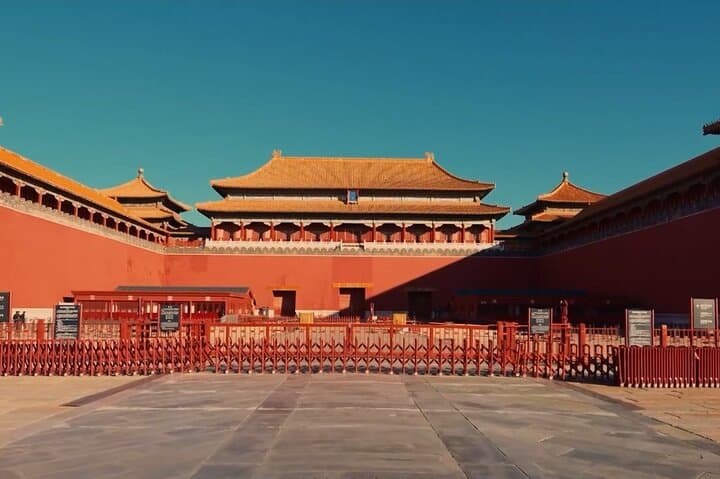
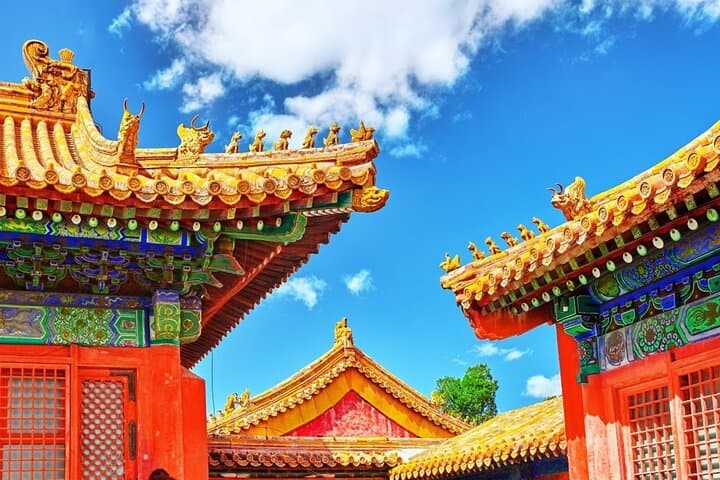
You arrive in Beijing before sunrise and the square feels like a stage being set: flags raised, pavement cooling, and the long axis of the Forbidden City looming ahead. Passing through Tiananmen, you enter courtyards where painted beams hold centuries of registry—imperial halls that measure power in scale and silence.
Verified experiences and guided adventures in the surrounding area.
Operated by Yida Travel · Beijing, Beijing
You arrive in Beijing before sunrise and the square feels like a stage being set: flags raised, pavement cooling, and the long axis of the Forbidden City looming ahead. Passing through Tiananmen, you enter courtyards where painted beams hold centuries of registry—imperial halls that measure power in scale and silence.
By mid-morning the vehicle climbs toward Huairou and the landscape changes to folded hills. Mutianyu’s stone spine threads the ridgeline; wind runs along the battlements and the watchtowers stand like deliberate pauses in the line of defense. The route combines well-preserved Ming-era masonry with steep stair sequences that demand steady footing and reward panoramic views across forested valleys.
History here is blunt and public: the Forbidden City was the Ming and Qing dynasties’ political heart from the 15th to early 20th century, while much of the visible Great Wall—Mutianyu included—was rebuilt and fortified during the Ming dynasty to guard strategic passes.
Practicality governs the day. Expect about nine hours total including transport; bring cash (some local vendors and ticket machines don’t accept cards), a charged phone, and layered clothing for cooler ridge winds. Start early to avoid the late-morning crowds at both sites. Wear grippy shoes for uneven stone, and plan for stairs rather than long flat trails. Guides typically include entry tickets and local shuttles to the Mutianyu uphill/downhill points, making the day efficient without surprise stops.
This is a mixed cultural-and-outdoor day: half museum-grade architecture, half ridge-line walking. It’s accessible but active—best for travelers who want history served alongside open-air ascents and wide views.
moderate.
9 hours.
Suitable for travelers in reasonable walking shape who can handle repeated stair climbs and uneven stone surfaces.
Yes; standard tour options include entry tickets for the Forbidden City and Mutianyu as part of the package.
Options include group bus or private car; return transport is included if you select the bus option—check your booking confirmation for pickup details.
Mutianyu offers chairlifts and a toboggan for uphill/downhill; the tour usually covers access via internal shuttles, but confirm whether lift/toboggan tickets are included or paid locally.
The Forbidden City has large courtyards with mostly flat surfaces, but Mutianyu involves steep steps and uneven stone—it may be challenging for those with limited mobility.
The Forbidden City was built in the early 1400s as the imperial palace for Ming and Qing dynasties; much of Mutianyu’s current structure was reinforced during the Ming dynasty to secure the northern approaches.
Both sites face pressure from high visitation—stay on marked paths, avoid littering, and support local conservation by using official facilities and following guide instructions.
Yida Travel operates guided outdoor trips and adventures with an emphasis on safety, stewardship, and memorable experiences.

You arrive in Beijing before sunrise and the square feels like a stage being set: flags raised, pavement cooling, and the long axis of the Forbidden City looming ahead. Passing through Tiananmen, you enter courtyards where painted beams hold centuries of registry—imperial halls that measure power in scale and silence.
You arrive in Beijing before sunrise and the square feels like a stage being set: flags raised, pavement cooling, and the long axis of the Forbidden City looming ahead. Passing through Tiananmen, you enter courtyards where painted beams hold centuries of registry—imperial halls that measure power in scale and silence.
By mid-morning the vehicle climbs toward Huairou and the landscape changes to folded hills. Mutianyu’s stone spine threads the ridgeline; wind runs along the battlements and the watchtowers stand like deliberate pauses in the line of defense. The route combines well-preserved Ming-era masonry with steep stair sequences that demand steady footing and reward panoramic views across forested valleys.
History here is blunt and public: the Forbidden City was the Ming and Qing dynasties’ political heart from the 15th to early 20th century, while much of the visible Great Wall—Mutianyu included—was rebuilt and fortified during the Ming dynasty to guard strategic passes.
Practicality governs the day. Expect about nine hours total including transport; bring cash (some local vendors and ticket machines don’t accept cards), a charged phone, and layered clothing for cooler ridge winds. Start early to avoid the late-morning crowds at both sites. Wear grippy shoes for uneven stone, and plan for stairs rather than long flat trails. Guides typically include entry tickets and local shuttles to the Mutianyu uphill/downhill points, making the day efficient without surprise stops.
This is a mixed cultural-and-outdoor day: half museum-grade architecture, half ridge-line walking. It’s accessible but active—best for travelers who want history served alongside open-air ascents and wide views.