THE ADVENTURE COLLECTIVE® · Independent discovery and booking for outdoor travel

Learn to find, identify and prepare wild herbs on a five-hour guided walk just outside Warsaw. This practical foraging workshop pairs field identification with hands-on vegetarian cooking and local herbal lore.
Learn to find, identify and prepare wild herbs on a five-hour guided walk just outside Warsaw. This practical foraging workshop pairs field identification with hands-on vegetarian cooking and local herbal lore.
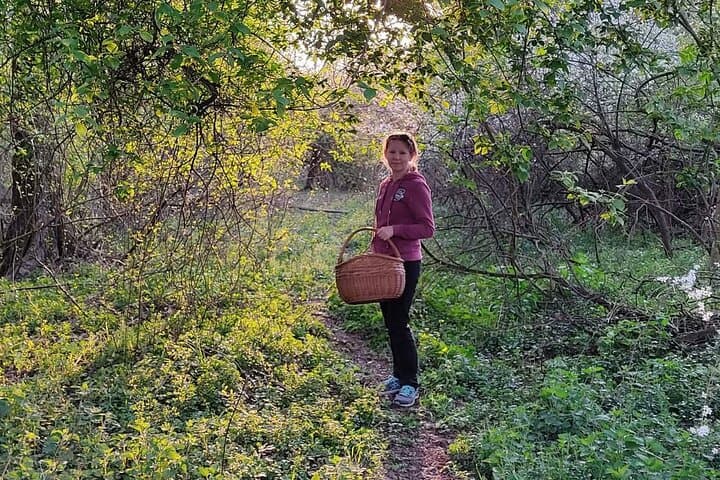
You step off the bus and the city noise thins: grasslands and a patchwork of scrubby oak groves open up, the air carrying the sharp, green scent of crushed nettle and mint. A local herbalist meets you with a basket and a straightforward rulebook — look, smell, taste cautiously — and leads the group along an old field edge where dandelion rosettes and sorrel push through sandy soil.
Verified experiences and guided adventures in the surrounding area.
Operated by Intopoland · Warsaw, Masovian Voivodeship
You step off the bus and the city noise thins: grasslands and a patchwork of scrubby oak groves open up, the air carrying the sharp, green scent of crushed nettle and mint. A local herbalist meets you with a basket and a straightforward rulebook — look, smell, taste cautiously — and leads the group along an old field edge where dandelion rosettes and sorrel push through sandy soil.
This five-hour walk combines practical botany with regional foodways. The kampinos-area landscape formed on glacial sands and river terraces, producing dry meadows where mustard-family plants and wild garlic thrive; for centuries Polish rural households used these same plants for soups, preserves and medicinal teas. Your guide explains identification marks, safe harvest quantities, and which species are protected, weaving short cultural notes about Polish folk herbalism and meadow management.
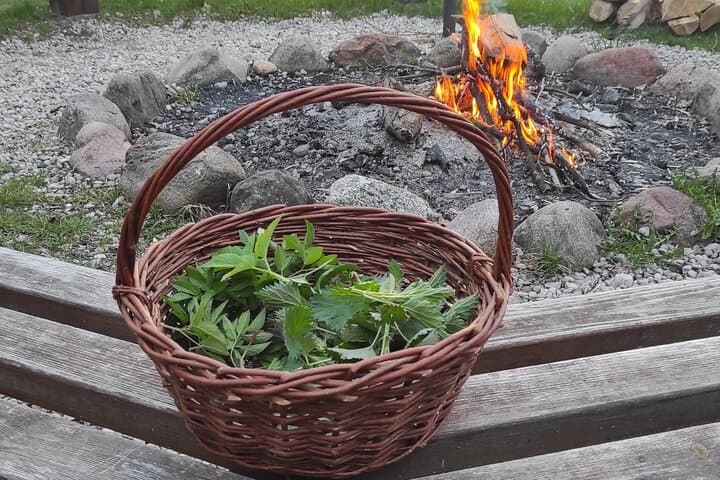
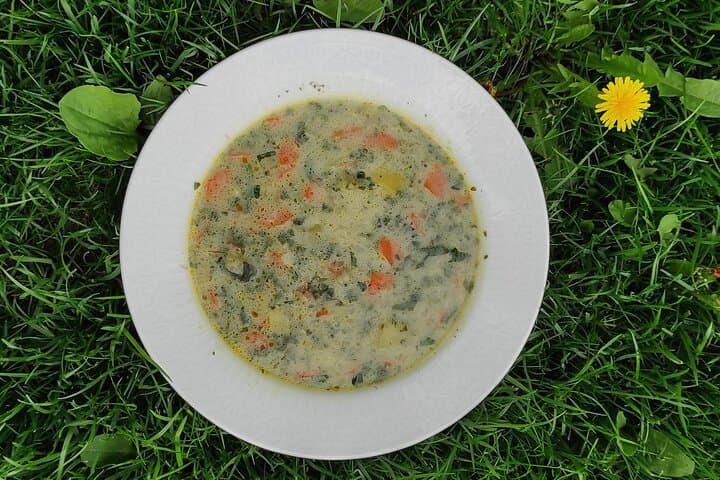
Expect hands-on collecting, a demo on simple preparations — herbal pesto, weed soup, and tea — and a shared vegetarian lunch made from what you gather. If conditions allow, cooking may happen over an open fire; otherwise a small kitchen serves. The pace is gentle: mostly flat tracks and grassy paths, suitable for most abilities, with stops to smell, press and taste.
Practical tips: wear waterproof shoes for dewy mornings, bring a small knife and container for samples, and be ready to learn seasonal differences in edible plants. The tour is private, lasts about five hours, includes bottled water and tea, and is family-friendly. It’s a hands-on way to read landscape with your senses and return home with new recipes and safer foraging skills.
easy.
5 hours.
Light walking on flat to gently uneven grassy and forest paths; suitable for most fitness levels.
Yes, foraging on non-protected public lands is generally permitted, but the guide will point out protected species and habitats where harvesting is prohibited.
Yes; the tour is family-friendly and paced for all ages, though minors should be supervised when sampling plants or near any cooking fire.
The operator cancels or reschedules in adverse weather; light rain may proceed with adjustments, and cancellations 24 hours prior are refundable.
No — the workshop is designed for beginners and includes hands-on guidance from a local herbalist.
The area’s meadow-and-forest mosaic developed under traditional hay-cutting and grazing regimes; many edible plants persisted where small-scale agriculture remained common.
Guides emphasize sustainable harvests and teach visitors to avoid trampling sensitive meadow flora; tours support local nature-awareness rather than commercial extraction.
Intopoland operates guided outdoor trips and adventures with an emphasis on safety, stewardship, and memorable experiences.

You step off the bus and the city noise thins: grasslands and a patchwork of scrubby oak groves open up, the air carrying the sharp, green scent of crushed nettle and mint. A local herbalist meets you with a basket and a straightforward rulebook — look, smell, taste cautiously — and leads the group along an old field edge where dandelion rosettes and sorrel push through sandy soil.
You step off the bus and the city noise thins: grasslands and a patchwork of scrubby oak groves open up, the air carrying the sharp, green scent of crushed nettle and mint. A local herbalist meets you with a basket and a straightforward rulebook — look, smell, taste cautiously — and leads the group along an old field edge where dandelion rosettes and sorrel push through sandy soil.
This five-hour walk combines practical botany with regional foodways. The kampinos-area landscape formed on glacial sands and river terraces, producing dry meadows where mustard-family plants and wild garlic thrive; for centuries Polish rural households used these same plants for soups, preserves and medicinal teas. Your guide explains identification marks, safe harvest quantities, and which species are protected, weaving short cultural notes about Polish folk herbalism and meadow management.
Expect hands-on collecting, a demo on simple preparations — herbal pesto, weed soup, and tea — and a shared vegetarian lunch made from what you gather. If conditions allow, cooking may happen over an open fire; otherwise a small kitchen serves. The pace is gentle: mostly flat tracks and grassy paths, suitable for most abilities, with stops to smell, press and taste.
Practical tips: wear waterproof shoes for dewy mornings, bring a small knife and container for samples, and be ready to learn seasonal differences in edible plants. The tour is private, lasts about five hours, includes bottled water and tea, and is family-friendly. It’s a hands-on way to read landscape with your senses and return home with new recipes and safer foraging skills.