THE ADVENTURE COLLECTIVE® · Independent discovery and booking for outdoor travel

Walk the Luberon hills in search of wild herbs and 20-million-year-old marine fossils, then relax with a traditional Provençal apéritif. This accessible 2–3 hour tour blends hands-on foraging, local history, and geology with tastings in the countryside.
Walk the Luberon hills in search of wild herbs and 20-million-year-old marine fossils, then relax with a traditional Provençal apéritif. This accessible 2–3 hour tour blends hands-on foraging, local history, and geology with tastings in the countryside.
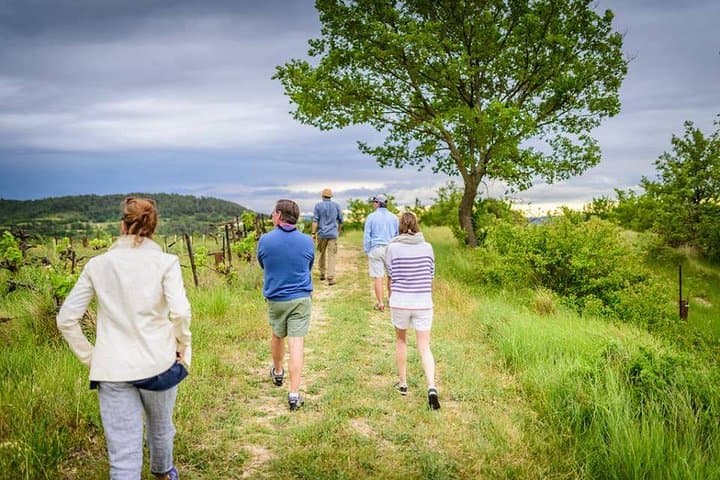
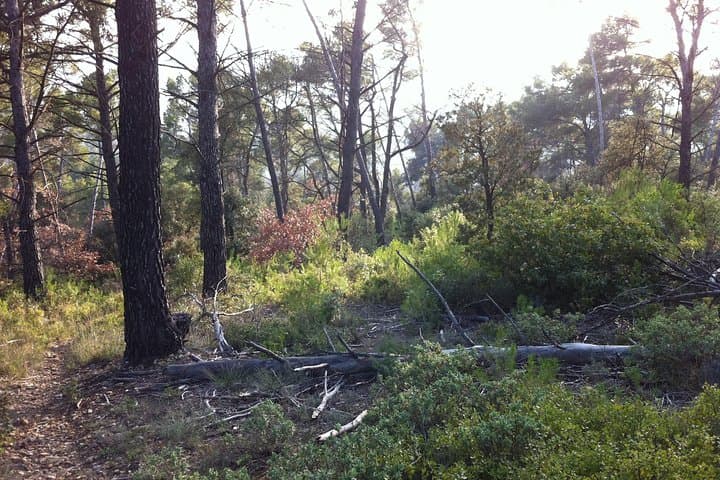
You step off a country lane and into the sunbaked hills of the Luberon, thyme and rosemary pressing their scent into the warm air. The path climbs over pale limestone, where low scrub and terraces shape the rhythm of the walk; a natural spring gurgles nearby, offering a cool, mineral counterpoint to the dry Provençal heat.
Verified experiences and guided adventures in the surrounding area.
Operated by Les Pastras · Apt, Provence-Alpes-Côte d'Azur
You step off a country lane and into the sunbaked hills of the Luberon, thyme and rosemary pressing their scent into the warm air. The path climbs over pale limestone, where low scrub and terraces shape the rhythm of the walk; a natural spring gurgles nearby, offering a cool, mineral counterpoint to the dry Provençal heat.
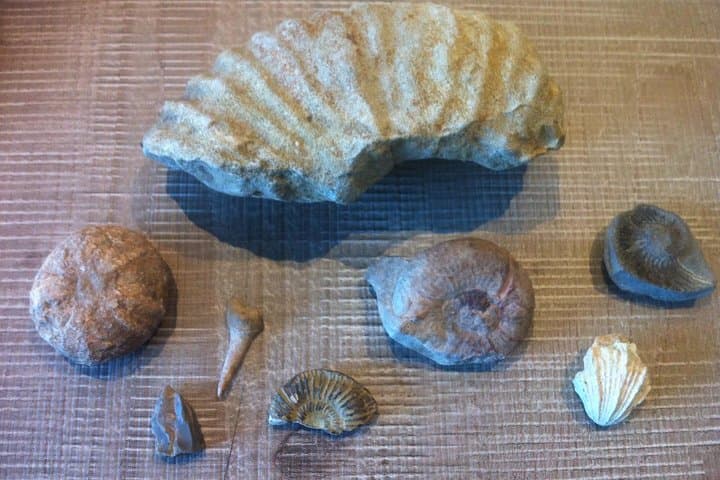
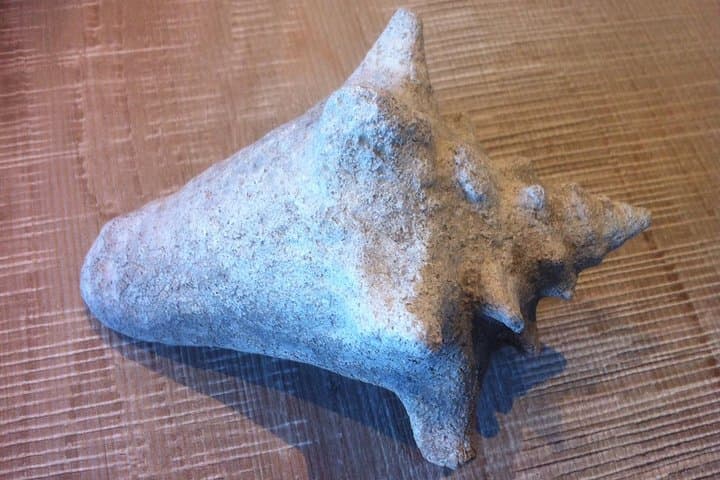
This walk traces two very different pasts: the seabed of 20 million years ago, now exposed as fossil-rich limestone, and traces of human presence stretching back roughly 130,000 years. Along the way a guide points out edible herbs—wild fennel, savory, and sorrel—and explains how local people have used spring water and regional spirits like pastis for generations. Geology here is blunt and readable: compacted marine sediments that split to reveal shell and coral fragments. Culture arrives in small doses—stone farmhouses, terraced vineyards, and the measured conviviality of the apéritif table waiting at the end.
Practical guidance: the loop is gentle—roughly 2–3 hours on varied dirt tracks with some short steeper sections; footwear with good traction and a sun hat are advisable. Bring water even in cooler months; the guides provide the final apéritif with rosé, pâté, tapenade and stories. Respect the park rules: photographing fossils is encouraged but removing them is prohibited. Best times are morning or late afternoon for cooler light and stronger scents from the herbs. This experience suits families and curious hikers who want an accessible blend of natural history, hands-on plant ID, and a distinctly Provençal finish.
easy.
2–3 hours.
Suitable for most fitness levels; expect short uphill stretches and uneven footing.
No—Luberon is a protected area; removing fossils or archaeological finds is prohibited. Photo documentation is encouraged.
Yes—this easy-paced tour welcomes families, though very young children should be carried or kept close on uneven sections.
Guides provide information in English; confirm multilingual support when booking if needed.
Meeting details are provided at booking—transport to the Luberon is typically not included, so plan to arrive from nearby towns like Apt or Avignon.
This sector of the Luberon was under a warm sea about 20 million years ago; archaeological evidence shows human activity in nearby sites dating back about 130,000 years.
The walk takes place inside Luberon Regional Natural Park—stay on trails, avoid collecting natural or historical specimens, and follow leave-no-trace principles.
Les Pastras operates guided outdoor trips and adventures with an emphasis on safety, stewardship, and memorable experiences.
You step off a country lane and into the sunbaked hills of the Luberon, thyme and rosemary pressing their scent into the warm air. The path climbs over pale limestone, where low scrub and terraces shape the rhythm of the walk; a natural spring gurgles nearby, offering a cool, mineral counterpoint to the dry Provençal heat.
You step off a country lane and into the sunbaked hills of the Luberon, thyme and rosemary pressing their scent into the warm air. The path climbs over pale limestone, where low scrub and terraces shape the rhythm of the walk; a natural spring gurgles nearby, offering a cool, mineral counterpoint to the dry Provençal heat.
This walk traces two very different pasts: the seabed of 20 million years ago, now exposed as fossil-rich limestone, and traces of human presence stretching back roughly 130,000 years. Along the way a guide points out edible herbs—wild fennel, savory, and sorrel—and explains how local people have used spring water and regional spirits like pastis for generations. Geology here is blunt and readable: compacted marine sediments that split to reveal shell and coral fragments. Culture arrives in small doses—stone farmhouses, terraced vineyards, and the measured conviviality of the apéritif table waiting at the end.
Practical guidance: the loop is gentle—roughly 2–3 hours on varied dirt tracks with some short steeper sections; footwear with good traction and a sun hat are advisable. Bring water even in cooler months; the guides provide the final apéritif with rosé, pâté, tapenade and stories. Respect the park rules: photographing fossils is encouraged but removing them is prohibited. Best times are morning or late afternoon for cooler light and stronger scents from the herbs. This experience suits families and curious hikers who want an accessible blend of natural history, hands-on plant ID, and a distinctly Provençal finish.