THE ADVENTURE COLLECTIVE® · Independent discovery and booking for outdoor travel

Spend a day hiking from Akhtala Monastery through forested ridges, foraging seasonal wild foods, and finishing at a host home to cook what you gathered. This full‑day private experience pairs moderate hiking with hands‑on culinary traditions in Lori Province.
Spend a day hiking from Akhtala Monastery through forested ridges, foraging seasonal wild foods, and finishing at a host home to cook what you gathered. This full‑day private experience pairs moderate hiking with hands‑on culinary traditions in Lori Province.
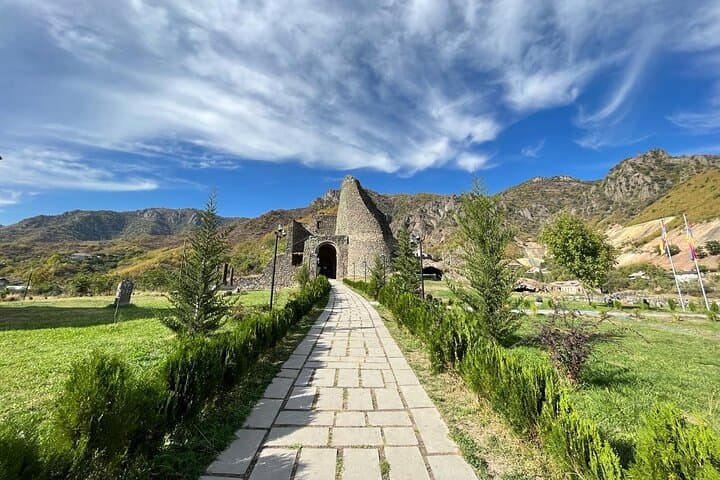
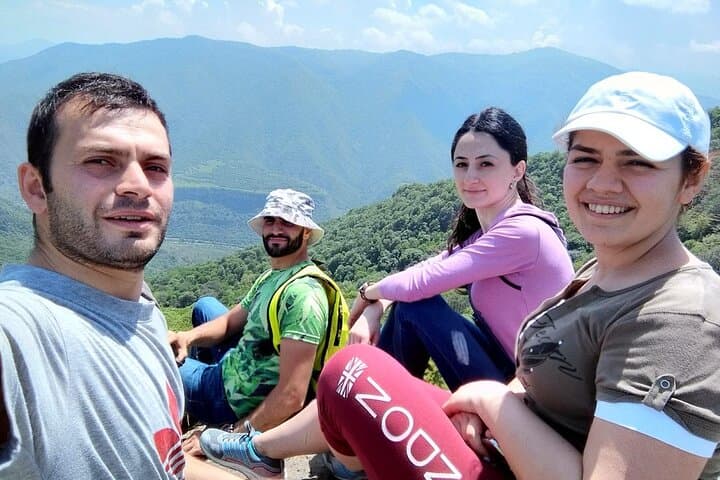
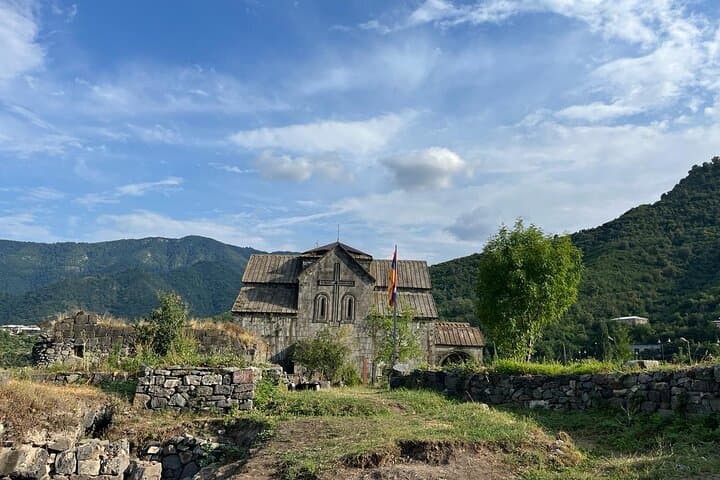
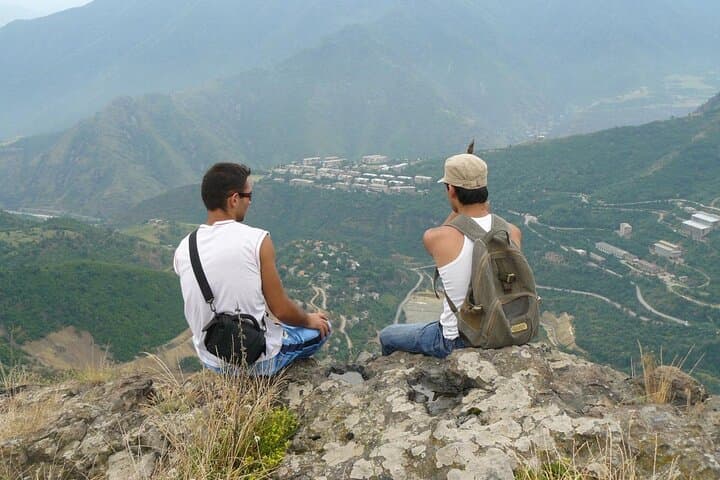
You step out of the van at Akhtala and the monastery's stonework greets you like an old guard — cool, moss-slick blocks under a wide sky. The trail slips into mixed beech and hornbeam forest, sunlight breaking in ribbons as your guide points out a cluster of wild mint and a row of young hazelnuts. The day moves between small triumphs: a discovery of edible greens, a sweep of valley from Kkviberd (Woodpeckers’ Fortress), and the quiet ritual of preparing a meal from what you gathered.
Verified experiences and guided adventures in the surrounding area.
Operated by Active Club · Akhtala, Lori
You step out of the van at Akhtala and the monastery's stonework greets you like an old guard — cool, moss-slick blocks under a wide sky. The trail slips into mixed beech and hornbeam forest, sunlight breaking in ribbons as your guide points out a cluster of wild mint and a row of young hazelnuts. The day moves between small triumphs: a discovery of edible greens, a sweep of valley from Kkviberd (Woodpeckers’ Fortress), and the quiet ritual of preparing a meal from what you gathered.
Akhtala and the surrounding Lori highlands carry layers of history — medieval fortifications, cross-stones from village churches, and routes that once linked Armenian principalities. Geologically the area sits on folded volcanic and sedimentary bedrock, producing springs and talus slopes where fruiting shrubs thrive. Culturally, foraging ties back to rural subsistence practices; cooking with your host reflects both Soviet-era communal cuisines and older Armenian peasant traditions.
Practical guidance: the activity covers about 10 km total with a core 2–3 hour, 5 km hike over uneven forest trails and moderate climbs; expect loose rock and muddy stretches in wet seasons. Bring sturdy footwear, 2–3 liters of water, layered clothing for wind and sun, and a small pack to carry finds. Follow your guide’s directions for sustainable harvesting — many plants are seasonal and fragile.
The experience ends at a host home where you'll prepare a simple farm-to-table meal using foraged and local ingredients. Timing, footwear, hydration, and respect for archaeological sites will make the day both rewarding and responsible.
moderate.
10 hours.
Moderate fitness; able to hike 5–10 km on uneven terrain with short climbs and 200–400 m cumulative elevation gain.
Yes — the tour lists transportation; pickup and drop‑off logistics are arranged when you book.
Expect moderate effort: a 2–3 hour, roughly 5 km guided hike with some short climbs and uneven footing.
Yes — the itinerary includes cooking a meal with the ingredients you collect, plus a packed lunch for the hike.
Not recommended for guests with serious spine, heart, or pregnancy-related limitations; children able to hike moderate trails are generally welcome but check with the operator.
Akhtala Monastery dates to the medieval period and sits near strategic fortifications like Kkviberd, reflecting Lori's role as a crossroads of Armenian medieval principalities.
Practice low‑impact foraging: take small samples, avoid rare species, and stay on established trails to protect archaeological sites and fragile alpine flora.
Active Club operates guided outdoor trips and adventures with an emphasis on safety, stewardship, and memorable experiences.
You step out of the van at Akhtala and the monastery's stonework greets you like an old guard — cool, moss-slick blocks under a wide sky. The trail slips into mixed beech and hornbeam forest, sunlight breaking in ribbons as your guide points out a cluster of wild mint and a row of young hazelnuts. The day moves between small triumphs: a discovery of edible greens, a sweep of valley from Kkviberd (Woodpeckers’ Fortress), and the quiet ritual of preparing a meal from what you gathered.
You step out of the van at Akhtala and the monastery's stonework greets you like an old guard — cool, moss-slick blocks under a wide sky. The trail slips into mixed beech and hornbeam forest, sunlight breaking in ribbons as your guide points out a cluster of wild mint and a row of young hazelnuts. The day moves between small triumphs: a discovery of edible greens, a sweep of valley from Kkviberd (Woodpeckers’ Fortress), and the quiet ritual of preparing a meal from what you gathered.
Akhtala and the surrounding Lori highlands carry layers of history — medieval fortifications, cross-stones from village churches, and routes that once linked Armenian principalities. Geologically the area sits on folded volcanic and sedimentary bedrock, producing springs and talus slopes where fruiting shrubs thrive. Culturally, foraging ties back to rural subsistence practices; cooking with your host reflects both Soviet-era communal cuisines and older Armenian peasant traditions.
Practical guidance: the activity covers about 10 km total with a core 2–3 hour, 5 km hike over uneven forest trails and moderate climbs; expect loose rock and muddy stretches in wet seasons. Bring sturdy footwear, 2–3 liters of water, layered clothing for wind and sun, and a small pack to carry finds. Follow your guide’s directions for sustainable harvesting — many plants are seasonal and fragile.
The experience ends at a host home where you'll prepare a simple farm-to-table meal using foraged and local ingredients. Timing, footwear, hydration, and respect for archaeological sites will make the day both rewarding and responsible.