THE ADVENTURE COLLECTIVE® · Independent discovery and booking for outdoor travel

Spend a half-day hiking Alaska's trails to forage edible greens, berries and fungi, then learn backcountry cooking to turn finds into a shared lunch. Family-friendly and guided, this tour pairs identification skills with hands-on meal prep.
Spend a half-day hiking Alaska's trails to forage edible greens, berries and fungi, then learn backcountry cooking to turn finds into a shared lunch. Family-friendly and guided, this tour pairs identification skills with hands-on meal prep.
The morning air in Southcentral Alaska has a crispness that tastes like rain and spruce. You meet your guide in Anchorage, load a short shuttle, and step onto a gravel track where the forest seems to watch you — alder branches tapping like a metronome, bog cotton bobbing in the low light.
Verified experiences and guided adventures in the surrounding area.
Operated by Go Hike Alaska · Anchorage, Alaska
The morning air in Southcentral Alaska has a crispness that tastes like rain and spruce. You meet your guide in Anchorage, load a short shuttle, and step onto a gravel track where the forest seems to watch you — alder branches tapping like a metronome, bog cotton bobbing in the low light.
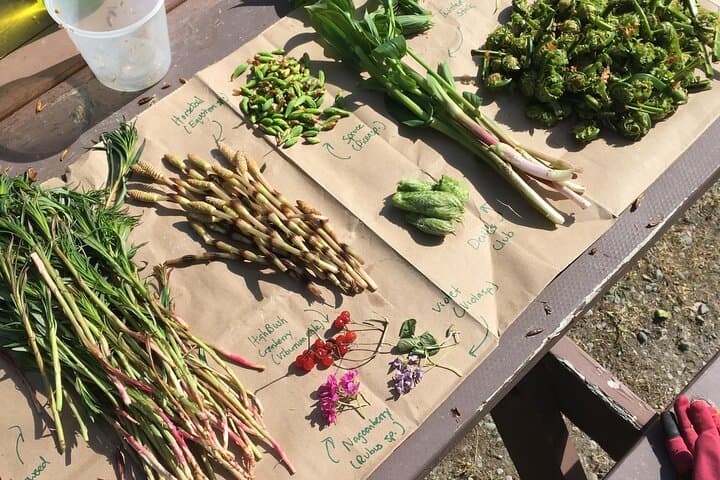
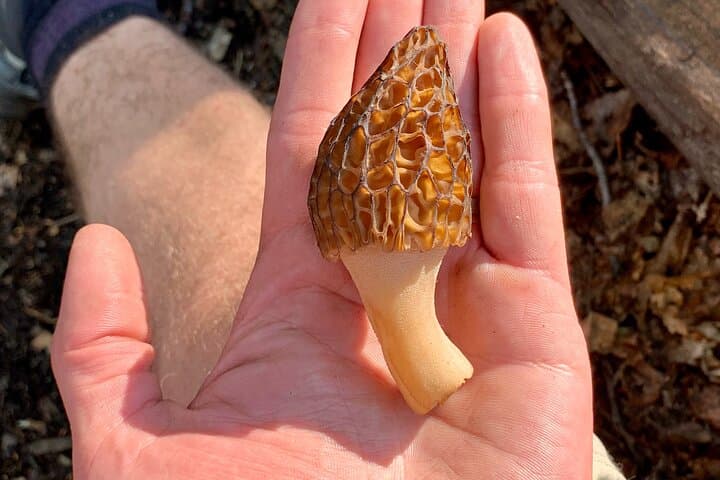
This daytrip stitches together simple regional history and the geology that makes the food here distinct: glacially scoured valleys, acidic soils favoring berries and mushrooms, and riparian corridors where fiddleheads and wild greens thrive. For generations, local Yup'ik and Athabascan peoples relied on these seasonal harvests; modern foragers continue that practice with a focus on safety and respect for plants.
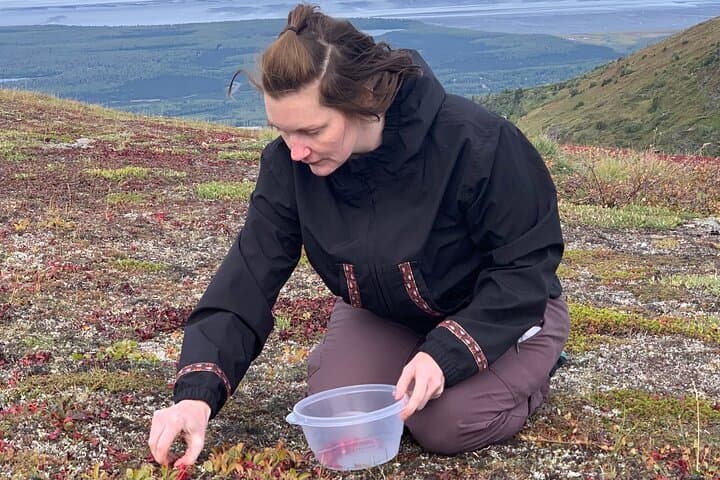
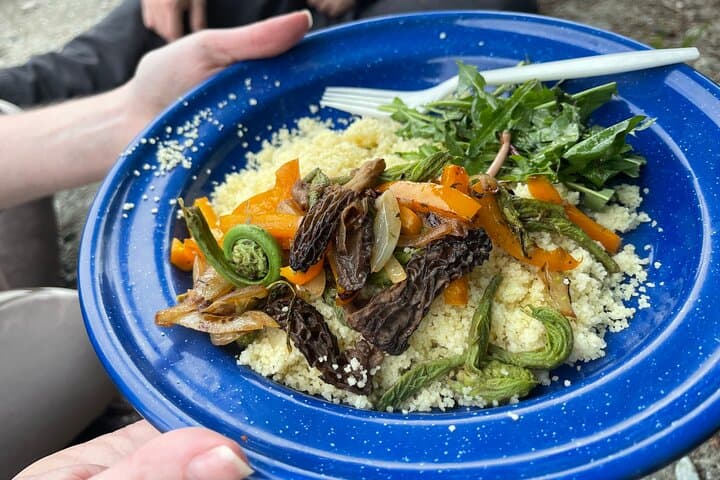
Expect 4–5 hours of gentle-to-steady hiking (short climbs, uneven footing) while your guide points out edible greens, berries, and fungi, explains identification basics, and highlights sustainable harvest limits. Back at a campsite or meadow, you’ll learn backcountry cooking techniques—using camp stoves, hot-pots and simple pans—to turn foraged finds into a shared lunch and sometimes a playful treat like wood-fired pizza.
Practical edge: bring layered clothing, sturdy footwear, and an open palate. The guides handle gear and most safety instruction, but guests must pick their own forageable items under supervision. Plan on 5 hours total including a short drive; notify guides of allergies beforehand. Hydrate, carry snacks if you’re picky, and arrive ready to learn the rules of wild harvesting—respect private land, follow local regulations, and leave enough for wildlife and future harvests.
moderate.
5 hours.
Suitable for most people who can handle 2–3 miles over uneven ground and some short climbs; not recommended for those with severe cardiac or respiratory issues.
No — guides teach identification, safe harvesting techniques, and regulations; guests pick under supervision.
Yes — the tour is family-friendly, but notify operators of allergies and supervise young children when near cookfires or sharp tools.
Inform the operator at booking so guides can adapt recipes and avoid ingredients that cause reactions.
Pickups are arranged from Anchorage locations; itinerary includes about one hour total transport and four hours in the field.
Foraging in Alaska ties to Indigenous food systems and settler traditions; local guides often blend ethnobotanical knowledge with modern safety standards.
Guides emphasize sustainable harvest—take minimal amounts, avoid rare species, and follow land-use rules to protect ecosystems.
Go Hike Alaska operates guided outdoor trips and adventures with an emphasis on safety, stewardship, and memorable experiences.
The morning air in Southcentral Alaska has a crispness that tastes like rain and spruce. You meet your guide in Anchorage, load a short shuttle, and step onto a gravel track where the forest seems to watch you — alder branches tapping like a metronome, bog cotton bobbing in the low light.
The morning air in Southcentral Alaska has a crispness that tastes like rain and spruce. You meet your guide in Anchorage, load a short shuttle, and step onto a gravel track where the forest seems to watch you — alder branches tapping like a metronome, bog cotton bobbing in the low light.
This daytrip stitches together simple regional history and the geology that makes the food here distinct: glacially scoured valleys, acidic soils favoring berries and mushrooms, and riparian corridors where fiddleheads and wild greens thrive. For generations, local Yup'ik and Athabascan peoples relied on these seasonal harvests; modern foragers continue that practice with a focus on safety and respect for plants.
Expect 4–5 hours of gentle-to-steady hiking (short climbs, uneven footing) while your guide points out edible greens, berries, and fungi, explains identification basics, and highlights sustainable harvest limits. Back at a campsite or meadow, you’ll learn backcountry cooking techniques—using camp stoves, hot-pots and simple pans—to turn foraged finds into a shared lunch and sometimes a playful treat like wood-fired pizza.
Practical edge: bring layered clothing, sturdy footwear, and an open palate. The guides handle gear and most safety instruction, but guests must pick their own forageable items under supervision. Plan on 5 hours total including a short drive; notify guides of allergies beforehand. Hydrate, carry snacks if you’re picky, and arrive ready to learn the rules of wild harvesting—respect private land, follow local regulations, and leave enough for wildlife and future harvests.