THE ADVENTURE COLLECTIVE® · Independent discovery and booking for outdoor travel

Skip Snowdon’s crowds and explore Snowdonia’s dramatic foothills instead: plunging waterfalls, glacial bowls and abandoned slate terraces. This full-day guided hike visits Aber Falls, Cwm Idwal and Dinorwic Quarry with local insight and manageable terrain.
Skip Snowdon’s crowds and explore Snowdonia’s dramatic foothills instead: plunging waterfalls, glacial bowls and abandoned slate terraces. This full-day guided hike visits Aber Falls, Cwm Idwal and Dinorwic Quarry with local insight and manageable terrain.
You step from a cool minibus into a valley carved by ice, the ground still damp with mountain streams that dare you to follow them uphill.
Verified experiences and guided adventures in the surrounding area.
Operated by Adventure Tour Snowdonia · Llanberis, Gwynedd
You step from a cool minibus into a valley carved by ice, the ground still damp with mountain streams that dare you to follow them uphill.
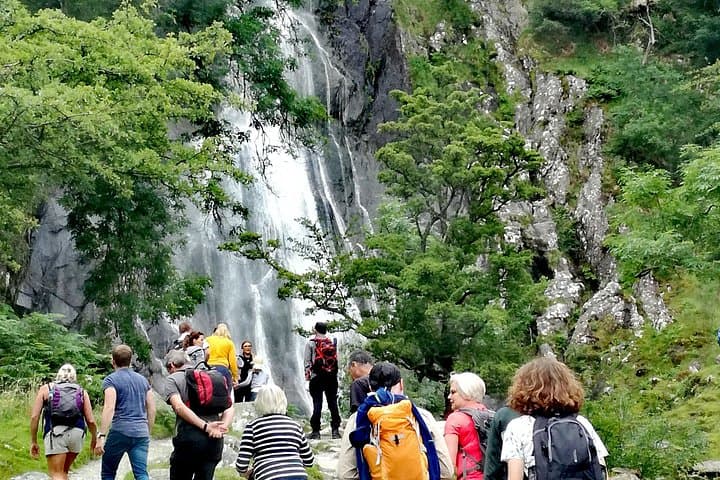
This guided day hike threads easier foothills and dramatic glacial hollows rather than the busy crown of Snowdon, moving between Aber Falls, the crater-like Cwm Idwal, and the old workings of Dinorwic Quarry. The falls announce themselves with thunder; the lake basins sit like cut bowls, and quarry terraces offer sweeping views back toward Llyn Padarn and the peaks beyond.
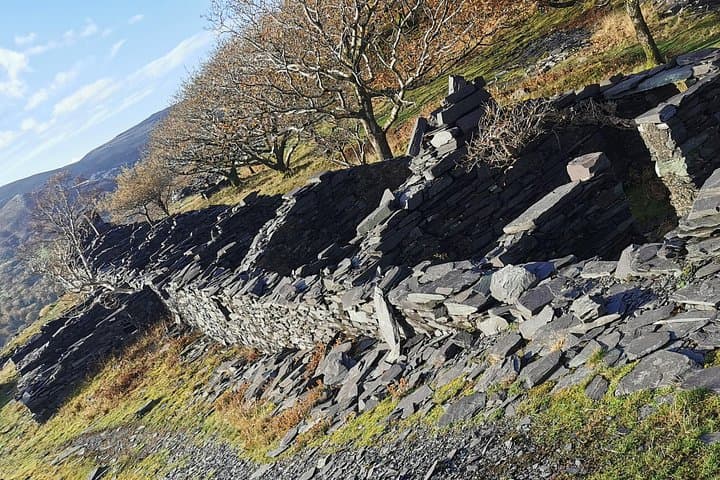
Geology here reads like a timeline: deep glacial scour, slate folded and faulted, and Victorian industry stamped into the cliffs where slate was hewn for roofs worldwide. Culturally the route touches on local craftsmanship—Dinorwic’s ghostly terraces—and biological interest: botanists and even Darwin studied these microclimates in the 19th century. Locals still farm sheep on the lower slopes, and small villages keep Welsh language and traditions alive.
Practical guidance: this is a full-day outing (roughly 8–9 hours including drives) with mixed terrain—well-graded paths, short rocky sections, and muddy tracks after rain. Expect moderate climbs and uneven footing; waterproof layers, sturdy boots, and three litres of water between companions are recommended. Aim to arrive early for clearer light and quieter trails; follow the guide’s local knowledge to avoid sensitive vegetation and fragile historic features. Stay on marked paths to limit erosion and let the landscape keep its character for the next visitor.
moderate.
8–9 hours.
Good functional fitness with ability to walk several hours on uneven ground and short steep sections.
This is a moderate full-day hike; participants should be comfortable walking 10–15 km over varied terrain with some elevation gain.
Yes—pick up and drop off are included via air-conditioned minibuses as part of the tour.
The operator advises the tour is not suitable for children under 10; family-friendly sections like Aber Falls are easier, while Cwm Idwal involves steeper pathing.
The tour is subject to cancellation in severe weather; guides will adapt routes for safety if conditions change during the day.
The Dinorwic slate quarries powered a major 19th-century local economy; parts of Snowdonia’s industrial landscape are recognized by the Slate Landscape of Northwest Wales UNESCO site.
Trail erosion and delicate alpine plants are concerns—stay on paths, pack out litter, and follow guide advice to minimize impact.
Adventure Tour Snowdonia operates guided outdoor trips and adventures with an emphasis on safety, stewardship, and memorable experiences.
You step from a cool minibus into a valley carved by ice, the ground still damp with mountain streams that dare you to follow them uphill.
You step from a cool minibus into a valley carved by ice, the ground still damp with mountain streams that dare you to follow them uphill.
This guided day hike threads easier foothills and dramatic glacial hollows rather than the busy crown of Snowdon, moving between Aber Falls, the crater-like Cwm Idwal, and the old workings of Dinorwic Quarry. The falls announce themselves with thunder; the lake basins sit like cut bowls, and quarry terraces offer sweeping views back toward Llyn Padarn and the peaks beyond.
Geology here reads like a timeline: deep glacial scour, slate folded and faulted, and Victorian industry stamped into the cliffs where slate was hewn for roofs worldwide. Culturally the route touches on local craftsmanship—Dinorwic’s ghostly terraces—and biological interest: botanists and even Darwin studied these microclimates in the 19th century. Locals still farm sheep on the lower slopes, and small villages keep Welsh language and traditions alive.
Practical guidance: this is a full-day outing (roughly 8–9 hours including drives) with mixed terrain—well-graded paths, short rocky sections, and muddy tracks after rain. Expect moderate climbs and uneven footing; waterproof layers, sturdy boots, and three litres of water between companions are recommended. Aim to arrive early for clearer light and quieter trails; follow the guide’s local knowledge to avoid sensitive vegetation and fragile historic features. Stay on marked paths to limit erosion and let the landscape keep its character for the next visitor.