THE ADVENTURE COLLECTIVE® · Independent discovery and booking for outdoor travel

Walk Chania’s market alleys and taste histories—Venetian pastries, Ottoman beverages and Byzantine baking methods—on a four-hour guided culinary tour. Small groups, hands-on tastings and local specialists bring Crete’s food culture into sharp focus.
Walk Chania’s market alleys and taste histories—Venetian pastries, Ottoman beverages and Byzantine baking methods—on a four-hour guided culinary tour. Small groups, hands-on tastings and local specialists bring Crete’s food culture into sharp focus.
Late-morning light slants across Chania’s narrow lanes; the harbor’s salt air nudges the city awake while the market hums with knife-sharp voices and the smell of fresh phyllo. A four-hour culinary walk threads through Venetian stone and Ottoman arches, where each stall and workshop puts a local chapter of Crete’s food history on display.
Verified experiences and guided adventures in the surrounding area.
Operated by Greek Culinary History Cooking Adventures · Chania, Crete
Late-morning light slants across Chania’s narrow lanes; the harbor’s salt air nudges the city awake while the market hums with knife-sharp voices and the smell of fresh phyllo. A four-hour culinary walk threads through Venetian stone and Ottoman arches, where each stall and workshop puts a local chapter of Crete’s food history on display.
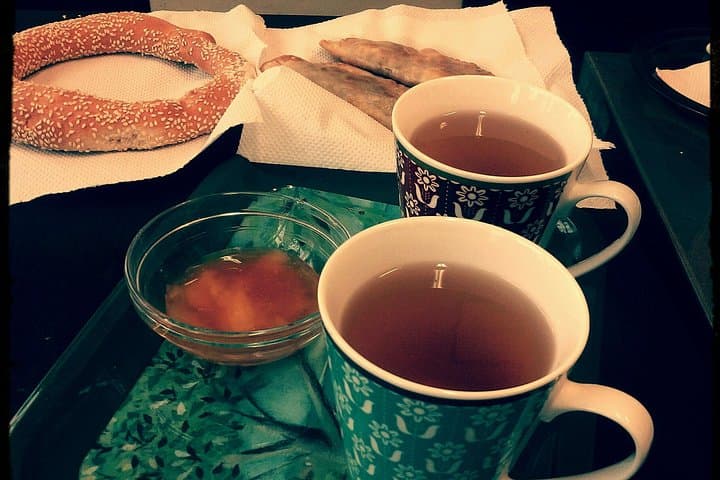
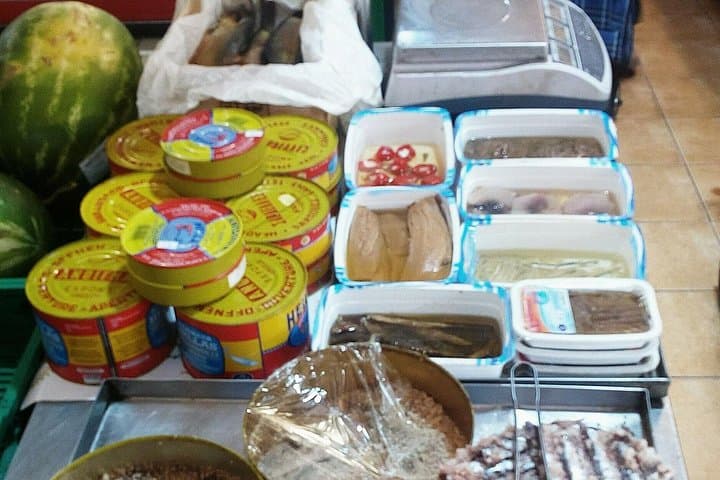
The tour traces migrations and empires: Venetian merchants who brought trade routes and salted goods, Ottoman-era sweets and coffee rituals, and earlier Byzantine and agrarian techniques that shaped bread, cheese and herbal use. Geology matters here—limestone terraces and olive-rich soils built a cuisine focused on durable, oil-forward ingredients. Cultural threads appear in small bites: bougatsa from a family workshop, kalitsounia made with wild greens picked from nearby hills, and almond-based Byzantine beverages sipped beneath a plane tree.
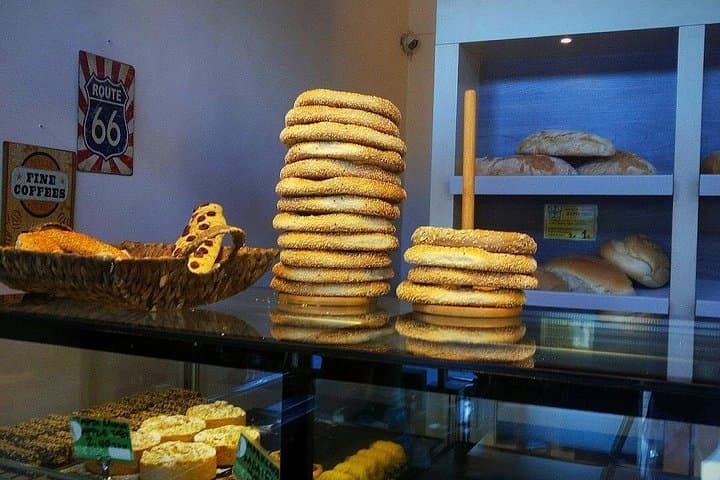
Expect a mix of indoor and outdoor stops—bakeries, market stalls, family-run workshops and a final taverna lesson on ancient cooking. The pace is gentle walking on cobbles and narrow streets; groups remain small to prioritize tasting and conversation.
Practical guidance: wear comfortable shoes with good grip for uneven stone, carry a refillable water bottle, and bring cash for extra purchases. Notify the guide of dietary needs in advance. Morning departures avoid afternoon heat in summer and find the market at its liveliest. For travelers wanting culinary context, this tour pairs sensory tasting with clear historical framing, making Chania’s layered past and present tastefully tangible.
easy.
4 hours.
Light walking ability required—able to stand for tastings and navigate uneven cobbles for several short stretches.
Yes—vegetarian options are available but you should notify the operator at booking and again at the start so the guide can adjust tastings.
Expect gentle walking across paved and cobbled streets for about 1–2 miles total, with frequent stops to taste and learn.
Yes—multiple tastings, visits to workshops, and a final taverna tasting are part of the included experience.
Children are welcome but must be accompanied by an adult; consider younger kids’ tolerance for walking and food sampling.
Chania’s food culture is a palimpsest of Venetian trade, Ottoman customs and local agrarian traditions—each period introduced ingredients and techniques still visible today.
Supporting family-run shops and local producers helps keep small-scale food traditions alive; minimize food waste and bring reusable containers when buying extras.
Greek Culinary History Cooking Adventures operates guided outdoor trips and adventures with an emphasis on safety, stewardship, and memorable experiences.
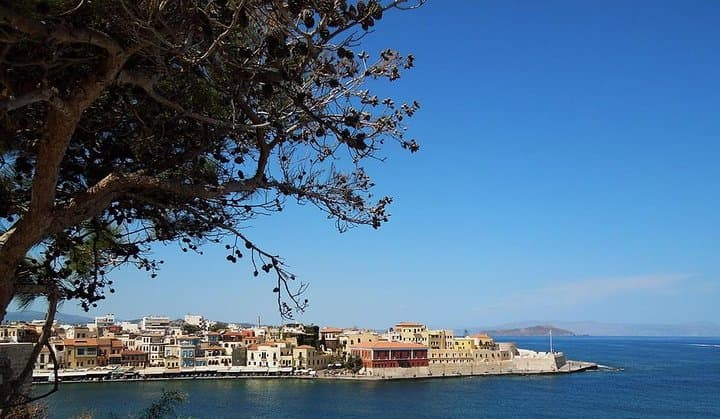
Late-morning light slants across Chania’s narrow lanes; the harbor’s salt air nudges the city awake while the market hums with knife-sharp voices and the smell of fresh phyllo. A four-hour culinary walk threads through Venetian stone and Ottoman arches, where each stall and workshop puts a local chapter of Crete’s food history on display.
Late-morning light slants across Chania’s narrow lanes; the harbor’s salt air nudges the city awake while the market hums with knife-sharp voices and the smell of fresh phyllo. A four-hour culinary walk threads through Venetian stone and Ottoman arches, where each stall and workshop puts a local chapter of Crete’s food history on display.
The tour traces migrations and empires: Venetian merchants who brought trade routes and salted goods, Ottoman-era sweets and coffee rituals, and earlier Byzantine and agrarian techniques that shaped bread, cheese and herbal use. Geology matters here—limestone terraces and olive-rich soils built a cuisine focused on durable, oil-forward ingredients. Cultural threads appear in small bites: bougatsa from a family workshop, kalitsounia made with wild greens picked from nearby hills, and almond-based Byzantine beverages sipped beneath a plane tree.
Expect a mix of indoor and outdoor stops—bakeries, market stalls, family-run workshops and a final taverna lesson on ancient cooking. The pace is gentle walking on cobbles and narrow streets; groups remain small to prioritize tasting and conversation.
Practical guidance: wear comfortable shoes with good grip for uneven stone, carry a refillable water bottle, and bring cash for extra purchases. Notify the guide of dietary needs in advance. Morning departures avoid afternoon heat in summer and find the market at its liveliest. For travelers wanting culinary context, this tour pairs sensory tasting with clear historical framing, making Chania’s layered past and present tastefully tangible.