THE ADVENTURE COLLECTIVE® · Independent discovery and booking for outdoor travel

Wander Fontainhas’ painted alleys, visit the fish market and historic church, then finish with a local feni tasting. This guided 1–2 hour walk blends colonial history, everyday Goan life and practical tips for urban exploration.
Wander Fontainhas’ painted alleys, visit the fish market and historic church, then finish with a local feni tasting. This guided 1–2 hour walk blends colonial history, everyday Goan life and practical tips for urban exploration.
You step off the main road into a narrow lane where painted windows lean toward you and ceramic azulejos stare back like recorded faces. The air here carries the river's salt and the market's spice; tuk-tuks thread past and the bell at the Immaculate Conception church counts the hours in a low, steady tone. This is Fontainhas — Panjim’s Latin quarter — a compact neighborhood of painted Portuguese houses, cramped alleys and high, unexpected viewpoints over the Mandovi.
Verified experiences and guided adventures in the surrounding area.
Operated by Trinity Voyage · Panjim (Panaji), Goa
You step off the main road into a narrow lane where painted windows lean toward you and ceramic azulejos stare back like recorded faces. The air here carries the river's salt and the market's spice; tuk-tuks thread past and the bell at the Immaculate Conception church counts the hours in a low, steady tone. This is Fontainhas — Panjim’s Latin quarter — a compact neighborhood of painted Portuguese houses, cramped alleys and high, unexpected viewpoints over the Mandovi.
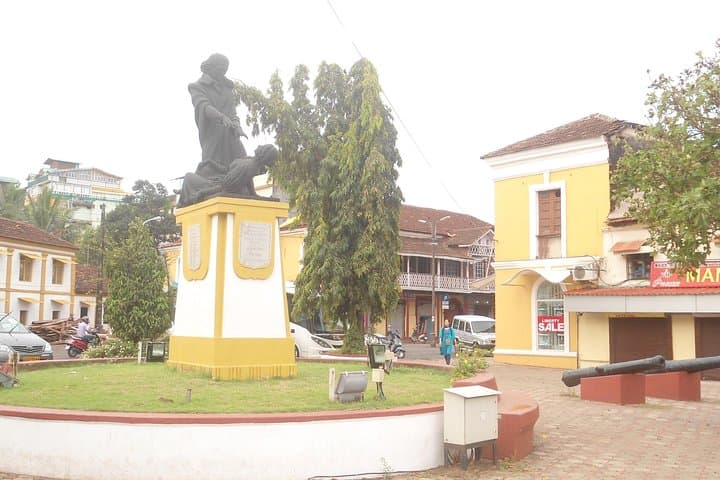
Historically a 16th–18th century Portuguese neighborhood, Fontainhas preserves colonial street plans, tiled façades and public squares where statues like Abbe Faria nod to a complex past of religion, exile and literary echoes. Geologically, the area sits on coastal plains with reclaimed parcels; the Mandovi estuary shapes the microclimate, bringing humid sea breezes that push the town’s day along.
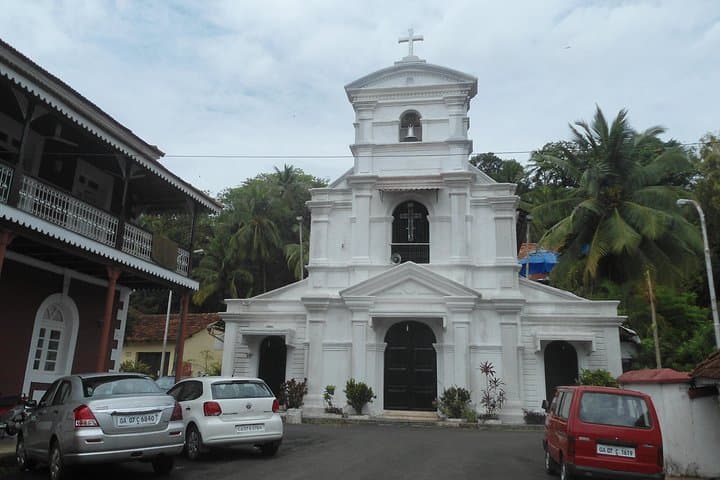
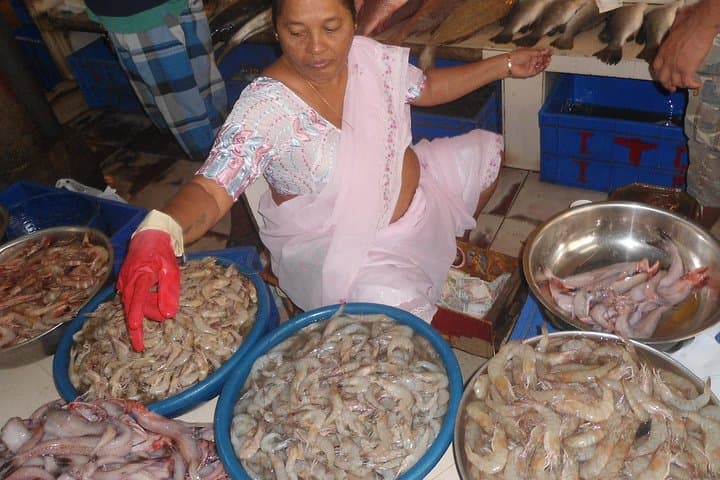
Culturally the walk moves from the fish and vegetable market — where daily life is on full display — to Mary Immaculate Conception Church and Clube Vasco Da Gama, finishing at a local tavern for a shot of feni, Goa’s cashew spirit. Guides point out architectural details, folk stories and culinary cues along the way.
Practical notes: tours run about 1–2 hours and require a moderate level of fitness to navigate steps and narrow alleys. Wear grippy shoes, bring sun protection and small change for markets and the tavern. Morning or late-afternoon departures beat the heat; bottled water and a hot drink are often included. Cruise passengers should confirm docking details at booking. Respect religious sites and local homes — many façades are private residences.
moderate.
1–2 hours.
Comfortable walking ability; able to manage short flights of stairs and narrow, uneven alleys.
The guided walk runs approximately 60–120 minutes depending on pace and stops.
Yes—children are allowed but must be accompanied by an adult; the route includes steps and tight lanes so supervision is recommended.
The itinerary typically ends with a visit to a local tavern for a sample of feni; bring cash and check legal drinking ages with the guide.
No; many alleys and viewpoints have steps and narrow passages that make wheelchair access difficult.
Fontainhas developed under Portuguese colonial rule and retains street patterns, tiled façades and names reflecting 16th–19th century European influence.
Respect private homes and painted façades by not touching tiles or murals; avoid single-use plastics and dispose of waste in designated bins to protect the compact neighborhood.
Trinity Voyage operates guided outdoor trips and adventures with an emphasis on safety, stewardship, and memorable experiences.
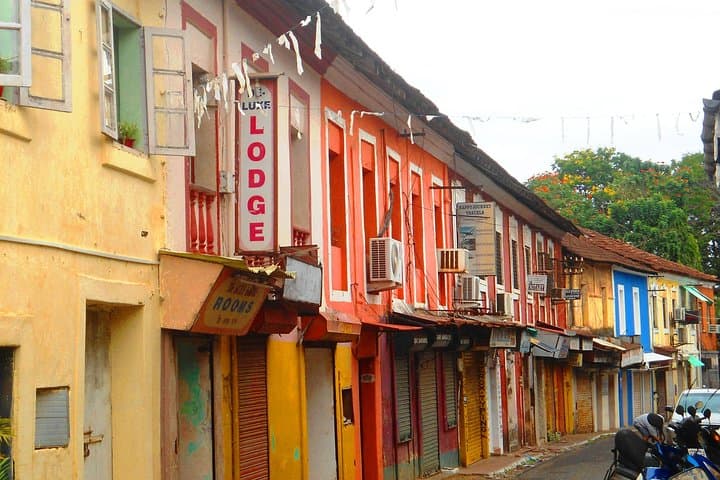
You step off the main road into a narrow lane where painted windows lean toward you and ceramic azulejos stare back like recorded faces. The air here carries the river's salt and the market's spice; tuk-tuks thread past and the bell at the Immaculate Conception church counts the hours in a low, steady tone. This is Fontainhas — Panjim’s Latin quarter — a compact neighborhood of painted Portuguese houses, cramped alleys and high, unexpected viewpoints over the Mandovi.
You step off the main road into a narrow lane where painted windows lean toward you and ceramic azulejos stare back like recorded faces. The air here carries the river's salt and the market's spice; tuk-tuks thread past and the bell at the Immaculate Conception church counts the hours in a low, steady tone. This is Fontainhas — Panjim’s Latin quarter — a compact neighborhood of painted Portuguese houses, cramped alleys and high, unexpected viewpoints over the Mandovi.
Historically a 16th–18th century Portuguese neighborhood, Fontainhas preserves colonial street plans, tiled façades and public squares where statues like Abbe Faria nod to a complex past of religion, exile and literary echoes. Geologically, the area sits on coastal plains with reclaimed parcels; the Mandovi estuary shapes the microclimate, bringing humid sea breezes that push the town’s day along.
Culturally the walk moves from the fish and vegetable market — where daily life is on full display — to Mary Immaculate Conception Church and Clube Vasco Da Gama, finishing at a local tavern for a shot of feni, Goa’s cashew spirit. Guides point out architectural details, folk stories and culinary cues along the way.
Practical notes: tours run about 1–2 hours and require a moderate level of fitness to navigate steps and narrow alleys. Wear grippy shoes, bring sun protection and small change for markets and the tavern. Morning or late-afternoon departures beat the heat; bottled water and a hot drink are often included. Cruise passengers should confirm docking details at booking. Respect religious sites and local homes — many façades are private residences.