THE ADVENTURE COLLECTIVE® · Independent discovery and booking for outdoor travel

A compact royal palace with medieval roots and manicured gardens meets the wild sandstone boulders of the Forêt de Fontainebleau. This day trip from Paris pairs gallery rooms and imperial apartments with easy forest walks and lesser-known outdoor corners.
A compact royal palace with medieval roots and manicured gardens meets the wild sandstone boulders of the Forêt de Fontainebleau. This day trip from Paris pairs gallery rooms and imperial apartments with easy forest walks and lesser-known outdoor corners.
Morning light cuts across chestnut trees as the coach eases off the A6 and the stone silhouette of Fontainebleau Palace appears—broad roofs, rows of windows, and a compact keep that predates the Renaissance. Visitors move from the avenue into a stitched landscape of formal gardens and the open, wind-hardened Forêt de Fontainebleau beyond, where boulders and beeches give the place a different, wilder edge.
Verified experiences and guided adventures in the surrounding area.
Operated by Come and Go · Fontainebleau, Île-de-France
Morning light cuts across chestnut trees as the coach eases off the A6 and the stone silhouette of Fontainebleau Palace appears—broad roofs, rows of windows, and a compact keep that predates the Renaissance. Visitors move from the avenue into a stitched landscape of formal gardens and the open, wind-hardened Forêt de Fontainebleau beyond, where boulders and beeches give the place a different, wilder edge.
The palace itself is a layered archive: a keep from 1137 anchors medieval origins, while later additions reflect Capetian, Valois, Bourbon and Napoleonic tastes. Since the late 19th century it houses four focused museums—the Empress’ Chinese Museum, the Napoleon I Museum, the Galerie de Peinture and the Furniture Gallery—each room a curated chapter of royal life and decorative art. Geologically, the surrounding forest sits on sandstone outcrops that have long attracted painters and boulder climbers; culturally, the town maintains traditions of riding and outdoor leisure.
Practical guide: allow 4–6 hours to see interior highlights and a short forest walk. Trains from Paris Gare de Lyon reach Fontainebleau-Avon in roughly 40–50 minutes; driving takes about an hour depending on traffic. Bring comfortable walking shoes for cobbled courtyards and forest paths, and plan for sudden weather changes under the trees. Guided tours often include skip-the-line access and entrance fees—check booking details and mobile ticket rules in advance. Combine the palace visit with a lakeside picnic or a short boulder scramble for a day that balances curated history and open-air adventure.
easy.
4–6 hours.
Suitable for most people able to walk on uneven surfaces for several hours; minimal climbing required for forest routes.
Plan 4–6 hours to tour main palace apartments, visit one or two museums, and take a short walk in the adjacent forest.
Direct regional trains run from Paris Gare de Lyon to Fontainebleau-Avon (about 40–50 minutes); driving is roughly an hour depending on traffic.
Many small-group guided options include entrance fees and skip-the-line entry—confirm inclusions when you book and have mobile tickets ready if provided.
Parts of the palace and some gardens are accessible, but historic staircases and certain galleries may be limited; check specific accessibility details before visiting.
Fontainebleau evolved from a medieval keep (first recorded 1137) into a royal residence used by Capetian, Valois, Bourbon and Napoleonic courts, accumulating art and collections across centuries.
The palace and forest are managed to balance visitor access with preservation; stay on marked paths, avoid climbing on monuments and follow local rules to protect sandstone outcrops and delicate garden plantings.
Come and Go operates guided outdoor trips and adventures with an emphasis on safety, stewardship, and memorable experiences.
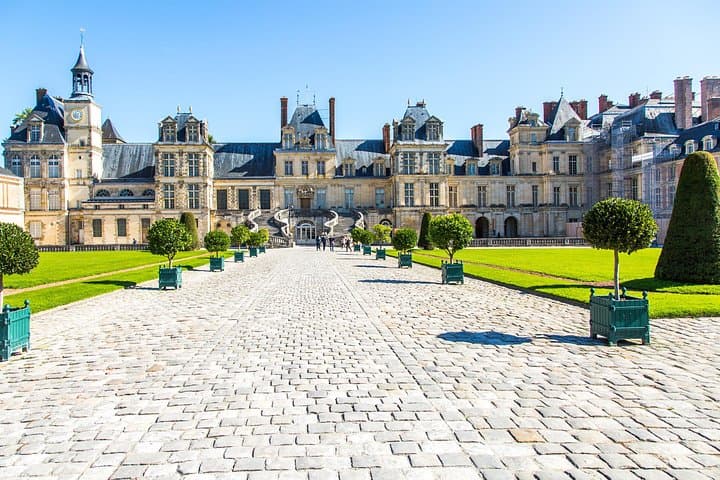
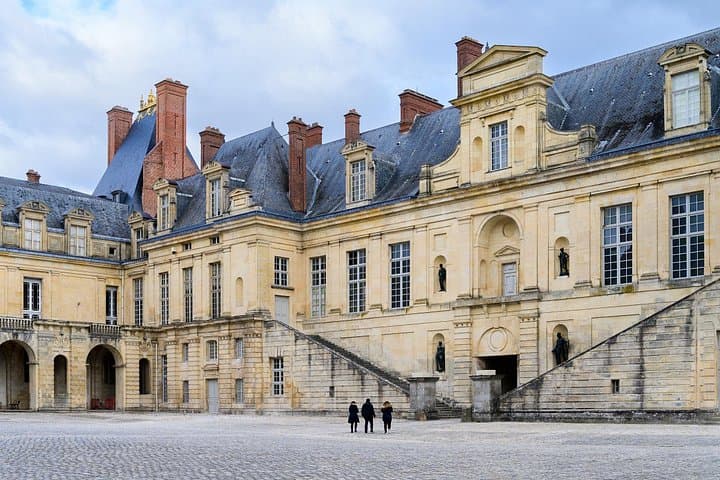
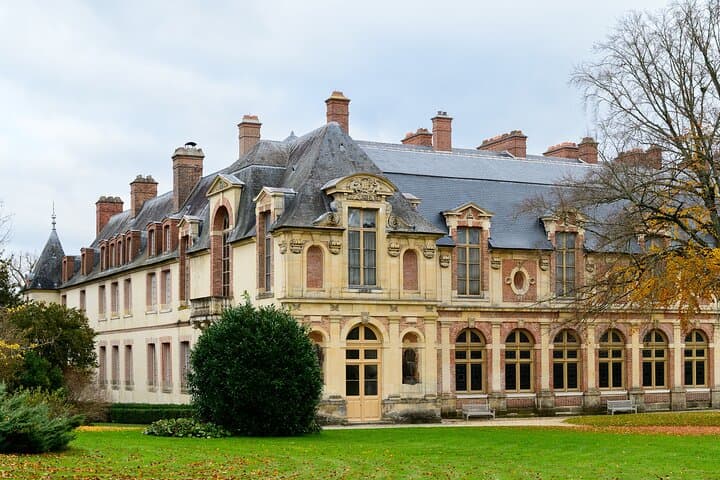
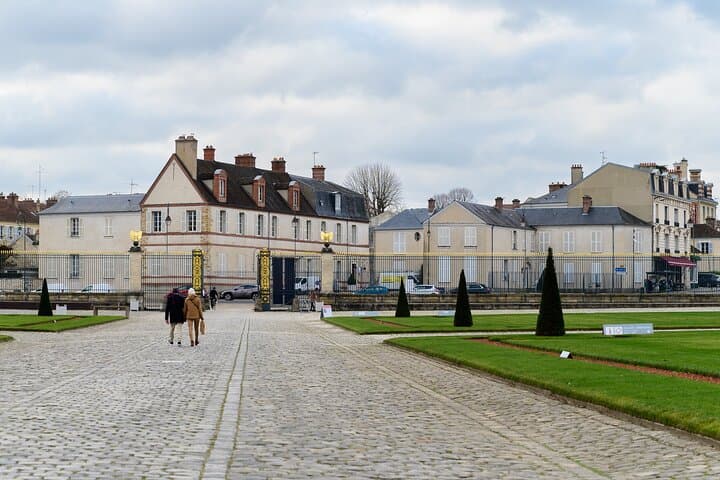
Morning light cuts across chestnut trees as the coach eases off the A6 and the stone silhouette of Fontainebleau Palace appears—broad roofs, rows of windows, and a compact keep that predates the Renaissance. Visitors move from the avenue into a stitched landscape of formal gardens and the open, wind-hardened Forêt de Fontainebleau beyond, where boulders and beeches give the place a different, wilder edge.
Morning light cuts across chestnut trees as the coach eases off the A6 and the stone silhouette of Fontainebleau Palace appears—broad roofs, rows of windows, and a compact keep that predates the Renaissance. Visitors move from the avenue into a stitched landscape of formal gardens and the open, wind-hardened Forêt de Fontainebleau beyond, where boulders and beeches give the place a different, wilder edge.
The palace itself is a layered archive: a keep from 1137 anchors medieval origins, while later additions reflect Capetian, Valois, Bourbon and Napoleonic tastes. Since the late 19th century it houses four focused museums—the Empress’ Chinese Museum, the Napoleon I Museum, the Galerie de Peinture and the Furniture Gallery—each room a curated chapter of royal life and decorative art. Geologically, the surrounding forest sits on sandstone outcrops that have long attracted painters and boulder climbers; culturally, the town maintains traditions of riding and outdoor leisure.
Practical guide: allow 4–6 hours to see interior highlights and a short forest walk. Trains from Paris Gare de Lyon reach Fontainebleau-Avon in roughly 40–50 minutes; driving takes about an hour depending on traffic. Bring comfortable walking shoes for cobbled courtyards and forest paths, and plan for sudden weather changes under the trees. Guided tours often include skip-the-line access and entrance fees—check booking details and mobile ticket rules in advance. Combine the palace visit with a lakeside picnic or a short boulder scramble for a day that balances curated history and open-air adventure.