THE ADVENTURE COLLECTIVE® · Independent discovery and booking for outdoor travel

In four hours you can leave downtown Charleston for a focused sweep of Folly Beach, the Citadel, Fort Moultrie and Sullivan’s Island. This small-group tour pairs ocean air with military history and quick, photogenic stops—perfect for travelers short on time but hungry for the Lowcountry.
In four hours you can leave downtown Charleston for a focused sweep of Folly Beach, the Citadel, Fort Moultrie and Sullivan’s Island. This small-group tour pairs ocean air with military history and quick, photogenic stops—perfect for travelers short on time but hungry for the Lowcountry.
Salt air cuts through downtown Charleston long before the van leaves Meeting Street. In the small hours the city seems to hold its breath; by midmorning the ocean begins to demand your attention. The tour moves you from port-side history to open sand in a compact four-hour circuit — a tight, observant introduction to the Lowcountry beyond the peninsula.
Verified experiences and guided adventures in the surrounding area.
Operated by Snap! Picture Perfect Tours · Charleston, South Carolina
Salt air cuts through downtown Charleston long before the van leaves Meeting Street. In the small hours the city seems to hold its breath; by midmorning the ocean begins to demand your attention. The tour moves you from port-side history to open sand in a compact four-hour circuit — a tight, observant introduction to the Lowcountry beyond the peninsula.
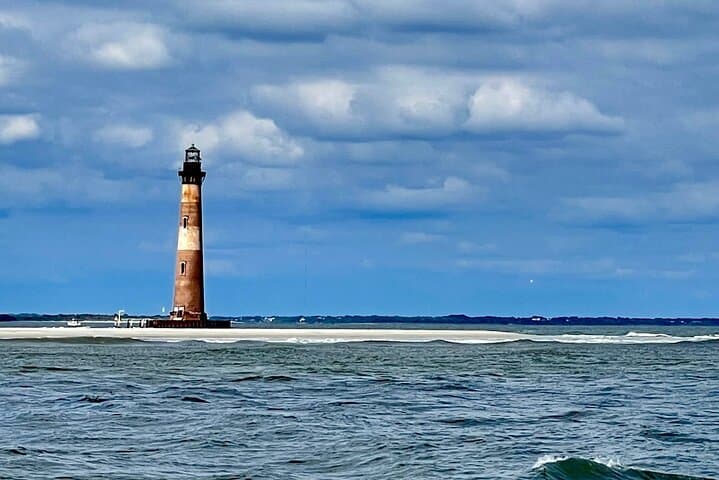
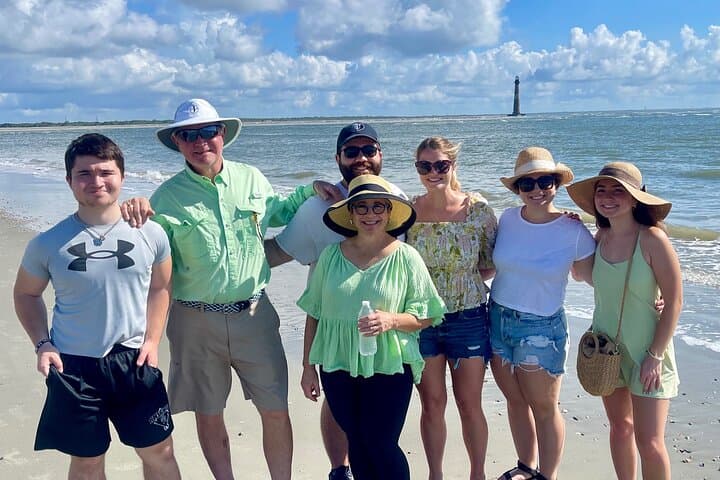
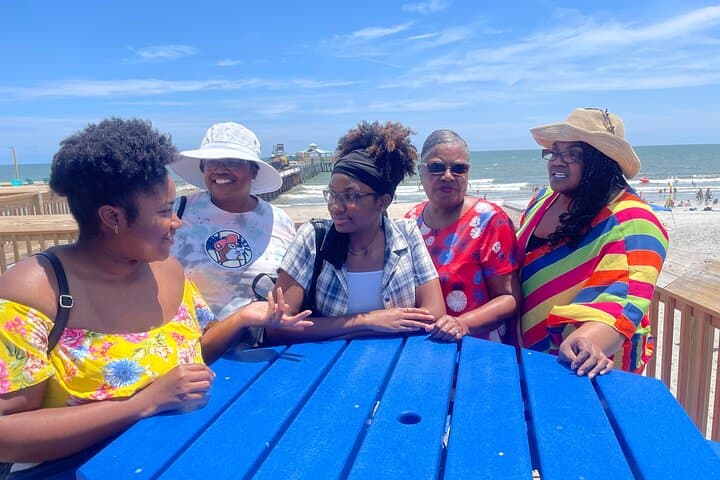
You step off the Mercedes Sprinter and the Atlantic breathes into your jacket: gulls argue over a discarded french fry, breakers push at the shore, and the lighthouse towers insist you look up. The route stitches together Folly Beach’s weathered pier and surf-town energy, a drive-by of the Citadel’s palm-lined parade ground, a long, low slab of history at Fort Moultrie on Sullivan’s Island, and a final look at a quirky local lighthouse that’s earned its own reputation.
This coastline is geography made blunt: barrier islands of sand and oak, tidal marshes that soak up centuries, and hummocks of shell and sediment that forced early colonists and later naval strategists to plan around the sea. Fort Moultrie’s earthworks and the quarantine houses once used in the transatlantic slave trade speak to Charleston’s outsized role in American colonial and Civil War history. The Citadel’s campus—its parade field and antebellum facades—adds a military cadence to the story.
Culture here is close to the water: low-slung vernacular architecture, seafood stands, and a civil-military rhythm that still shapes local life. Guides certified by the city translate architectural flourishes into anecdotes and point out the small moments — a rusted gun carriage, an old pier pilaster, the dunes’ fragile line.
The practical part: this is a half-day shared tour for up to eight people, starting at the Charleston Visitors Center (375 Meeting St). Expect two short beach walks (one quarter mile on sand at the Fort Moultrie overlook and a stroll along Folly Pier). Bottled water and a local snack are included. The tour operates with a four-person minimum and cancels for bad weather or low sign-ups; cancel 24 hours ahead for a full refund.
For planning: wear closed-toe walking shoes that handle sand, bring sun protection and a light wind layer, and arrive early for easy parking at the visitors center. If mobility is a concern, notify the operator in advance—there are sand surfaces and some short stairs.
What you’ll leave with is not just photos of lighthouses and surf but a sense of how sea, sand and history have carved Charleston’s edges. The ocean will keep pushing; the forts and piers keep holding ground. This tour lets you watch both at once.
easy.
4 hours.
Suitable for travelers in basic to average fitness—includes short walks on sand and flat surfaces
Meet and end at the Charleston Visitors Center (375 Meeting St); there’s nearby parking and a connected garage across Ann Street.
The tour includes short beach walks on sand that can be uneven—contact the operator before booking to discuss accommodations.
Bottled water and a local snack are included; admissions to paid attractions are not included unless specified.
Small-group maximum is eight people; the tour requires a four-person minimum to operate.
Service animals are welcome; non-service pets are not listed as permitted—confirm with the operator if needed.
Full refund if you cancel at least 24 hours before departure; the tour may cancel for bad weather or insufficient travelers.
Fort Moultrie and quarantine houses on these islands played central roles in colonial defense and the transatlantic slave trade, making the coastline a living chapter of American history.
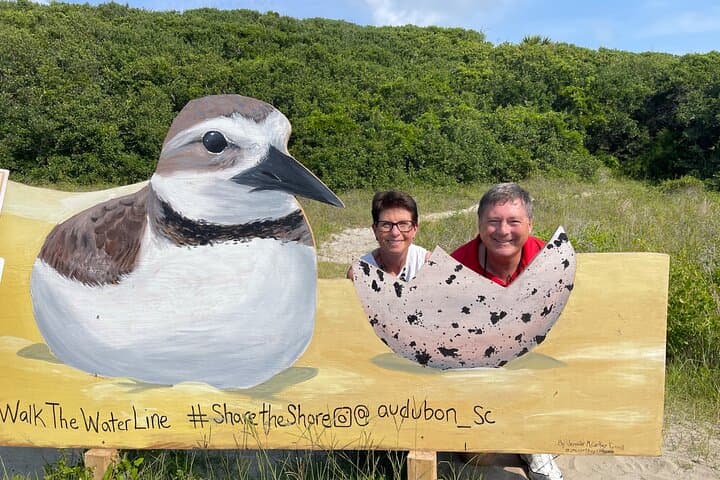
The barrier islands are vulnerable to erosion and sea-level rise; stay off marked dunes, respect nesting shorebird zones, and pack out trash to limit human impact.
Snap! Picture Perfect Tours operates guided outdoor trips and adventures with an emphasis on safety, stewardship, and memorable experiences.
Salt air cuts through downtown Charleston long before the van leaves Meeting Street. In the small hours the city seems to hold its breath; by midmorning the ocean begins to demand your attention. The tour moves you from port-side history to open sand in a compact four-hour circuit — a tight, observant introduction to the Lowcountry beyond the peninsula.
Salt air cuts through downtown Charleston long before the van leaves Meeting Street. In the small hours the city seems to hold its breath; by midmorning the ocean begins to demand your attention. The tour moves you from port-side history to open sand in a compact four-hour circuit — a tight, observant introduction to the Lowcountry beyond the peninsula.
You step off the Mercedes Sprinter and the Atlantic breathes into your jacket: gulls argue over a discarded french fry, breakers push at the shore, and the lighthouse towers insist you look up. The route stitches together Folly Beach’s weathered pier and surf-town energy, a drive-by of the Citadel’s palm-lined parade ground, a long, low slab of history at Fort Moultrie on Sullivan’s Island, and a final look at a quirky local lighthouse that’s earned its own reputation.
This coastline is geography made blunt: barrier islands of sand and oak, tidal marshes that soak up centuries, and hummocks of shell and sediment that forced early colonists and later naval strategists to plan around the sea. Fort Moultrie’s earthworks and the quarantine houses once used in the transatlantic slave trade speak to Charleston’s outsized role in American colonial and Civil War history. The Citadel’s campus—its parade field and antebellum facades—adds a military cadence to the story.
Culture here is close to the water: low-slung vernacular architecture, seafood stands, and a civil-military rhythm that still shapes local life. Guides certified by the city translate architectural flourishes into anecdotes and point out the small moments — a rusted gun carriage, an old pier pilaster, the dunes’ fragile line.
The practical part: this is a half-day shared tour for up to eight people, starting at the Charleston Visitors Center (375 Meeting St). Expect two short beach walks (one quarter mile on sand at the Fort Moultrie overlook and a stroll along Folly Pier). Bottled water and a local snack are included. The tour operates with a four-person minimum and cancels for bad weather or low sign-ups; cancel 24 hours ahead for a full refund.
For planning: wear closed-toe walking shoes that handle sand, bring sun protection and a light wind layer, and arrive early for easy parking at the visitors center. If mobility is a concern, notify the operator in advance—there are sand surfaces and some short stairs.
What you’ll leave with is not just photos of lighthouses and surf but a sense of how sea, sand and history have carved Charleston’s edges. The ocean will keep pushing; the forts and piers keep holding ground. This tour lets you watch both at once.