THE ADVENTURE COLLECTIVE® · Independent discovery and booking for outdoor travel

Ride a short boat run past Morris Island Lighthouse and be deposited on a barrier island where surf and tide expose shark teeth, ray plates, and fossilized bones. This guided drop-off combines local knowledge, USCG-certified skippers, and hands-on fossil hunting on one of the Lowcountry's most productive shores.
Ride a short boat run past Morris Island Lighthouse and be deposited on a barrier island where surf and tide expose shark teeth, ray plates, and fossilized bones. This guided drop-off combines local knowledge, USCG-certified skippers, and hands-on fossil hunting on one of the Lowcountry's most productive shores.
The boat nosed across the Folly River like a creature eager to share a secret. Salt spray stamped the air, gulls argued over a throwaway shell, and the captain pointed toward a low ribbon of sand where the Atlantic peeled back to reveal old bones and teeth—pieces of life older than the town itself.
Verified experiences and guided adventures in the surrounding area.
Operated by Lighthouse Creek Charters · Folly Beach, South Carolina
The boat nosed across the Folly River like a creature eager to share a secret. Salt spray stamped the air, gulls argued over a throwaway shell, and the captain pointed toward a low ribbon of sand where the Atlantic peeled back to reveal old bones and teeth—pieces of life older than the town itself.
You don't stumble on fossils at Folly Beach so much as negotiate with the tide. The island here is a living archive: Pleistocene and Miocene layers sit just offshore and are churned free by storms and currents. Guides know the rhythms—where the sand bar exposes a rich pocket after last night's surf, which gullies hold concentrated finds, and how to read the beach like a map of time.
This is Lowcountry fieldwork with a recreational pulse: a short boat run from the Folly River Boat Ramp brings you to an uninhabited shore. You'll pass Morris Island Lighthouse—a brick silhouette that has watched shipping and storms since Reconstruction—then land on a barrier island whose sand is as combed for history as any museum drawer.
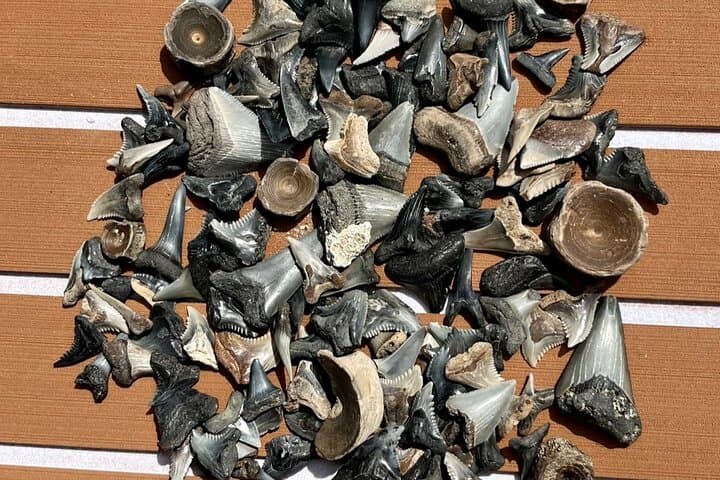
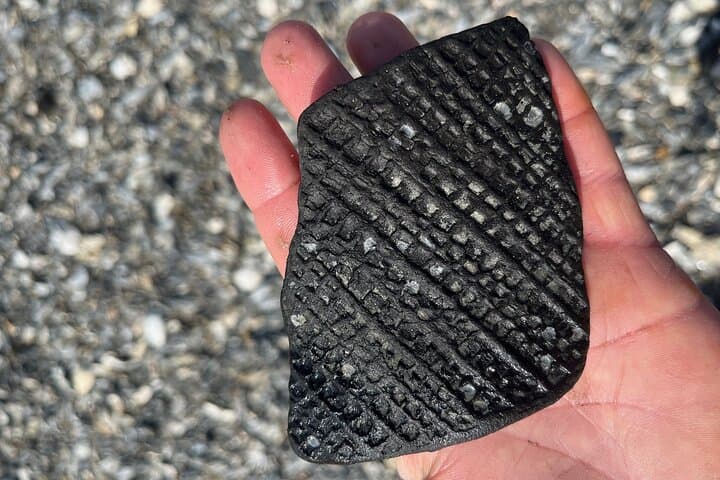
The fossil haul is practical: shark teeth (both modern and fossilized), ray plates, bony fish fragments, and occasional larger vertebrae. Each find tells a chapter—warm seas that once covered the coastal plain, rivers that reworked sediments, and the ceaseless work of waves exposing relics. Local culture here leans easygoing; fishermen, birders, and coastal historians share a soft pride in the island's natural history.
Transitioning from story to logistics: the trip runs about 4½ hours, starting at the Folly River Boat Ramp (97 Center St). Expect 20–30 minutes of boat time each way, and roughly three hours on the island depending on tides. Wear sturdy sandals or lightweight boots for walking on mixed sand and shell, and bring sun protection—the Lowcountry sun presses hard even on breezy days.
On the practical side, the excursion is guided by a USCG-certified master captain and includes life jackets and bottled water in a cooler. Tides determine success: low tide widens the search area and exposes fresh deposits, while storm-swollen seas can reveal new pockets but make landings trickier. If you want the best window, ask the guide about recent weather and tide charts—their local read of currents is the trip's most valuable tool.
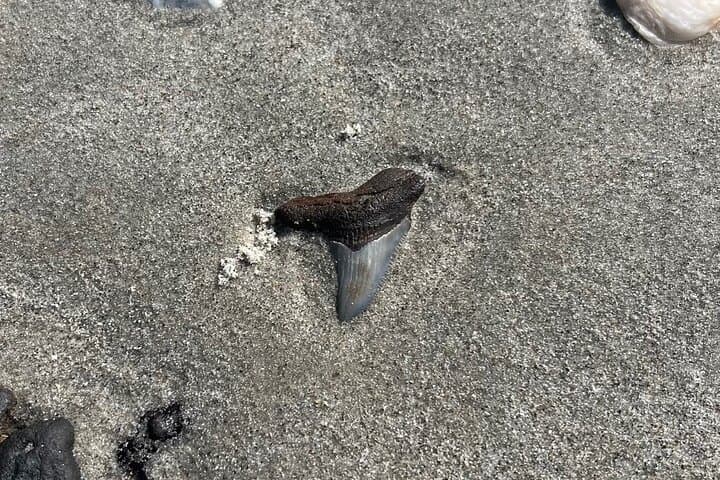
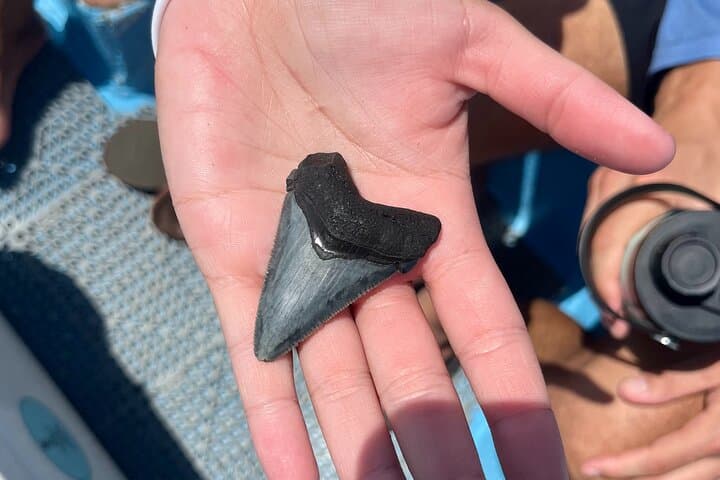
Respect the island: it's fragile habitat for shorebirds and nesting sea turtles. Take only fossils, leave footprints, and pack all trash. When a tooth glints in your hand, you'll feel the slow work of geology in an instant—enough history for an afternoon and a good reason to come back.
easy.
4–5 hours.
Light fitness—comfortable walking on uneven sand for several hours and stepping on/off a small boat.
Plan on approximately 20–30 minutes each way, depending on tides and sea conditions.
Common finds include shark teeth (both modern and fossilized), ray plates, shell fragments, and occasional fish bone—larger vertebrae are less common but possible.
The excursion is labeled easy physically, but it involves hours of walking on sand and boat transfers—it's not recommended for very young children or those unable to walk on uneven terrain.
Yes—adult and child life jackets are provided and the vessel is run by a USCG-certified master captain.
Service animals are allowed, but pets may not be ideal due to sand, heat, and wildlife sensitivity—check with the operator first.
Trips are cancellable for a full refund if canceled at least 24 hours in advance, and operators will cancel for bad weather or insufficient travelers.
The shoreline preserves Pleistocene and Miocene deposits; Morris Island Lighthouse is a post-Civil War landmark that marks decades of coastal change.
Barrier islands are dynamic and ecologically sensitive—keep to low-impact collecting, avoid disturbing nesting birds, and pack out all trash to protect habitat.
Lighthouse Creek Charters operates guided outdoor trips and adventures with an emphasis on safety, stewardship, and memorable experiences.
The boat nosed across the Folly River like a creature eager to share a secret. Salt spray stamped the air, gulls argued over a throwaway shell, and the captain pointed toward a low ribbon of sand where the Atlantic peeled back to reveal old bones and teeth—pieces of life older than the town itself.
The boat nosed across the Folly River like a creature eager to share a secret. Salt spray stamped the air, gulls argued over a throwaway shell, and the captain pointed toward a low ribbon of sand where the Atlantic peeled back to reveal old bones and teeth—pieces of life older than the town itself.
You don't stumble on fossils at Folly Beach so much as negotiate with the tide. The island here is a living archive: Pleistocene and Miocene layers sit just offshore and are churned free by storms and currents. Guides know the rhythms—where the sand bar exposes a rich pocket after last night's surf, which gullies hold concentrated finds, and how to read the beach like a map of time.
This is Lowcountry fieldwork with a recreational pulse: a short boat run from the Folly River Boat Ramp brings you to an uninhabited shore. You'll pass Morris Island Lighthouse—a brick silhouette that has watched shipping and storms since Reconstruction—then land on a barrier island whose sand is as combed for history as any museum drawer.
The fossil haul is practical: shark teeth (both modern and fossilized), ray plates, bony fish fragments, and occasional larger vertebrae. Each find tells a chapter—warm seas that once covered the coastal plain, rivers that reworked sediments, and the ceaseless work of waves exposing relics. Local culture here leans easygoing; fishermen, birders, and coastal historians share a soft pride in the island's natural history.
Transitioning from story to logistics: the trip runs about 4½ hours, starting at the Folly River Boat Ramp (97 Center St). Expect 20–30 minutes of boat time each way, and roughly three hours on the island depending on tides. Wear sturdy sandals or lightweight boots for walking on mixed sand and shell, and bring sun protection—the Lowcountry sun presses hard even on breezy days.
On the practical side, the excursion is guided by a USCG-certified master captain and includes life jackets and bottled water in a cooler. Tides determine success: low tide widens the search area and exposes fresh deposits, while storm-swollen seas can reveal new pockets but make landings trickier. If you want the best window, ask the guide about recent weather and tide charts—their local read of currents is the trip's most valuable tool.
Respect the island: it's fragile habitat for shorebirds and nesting sea turtles. Take only fossils, leave footprints, and pack all trash. When a tooth glints in your hand, you'll feel the slow work of geology in an instant—enough history for an afternoon and a good reason to come back.